Trusted by 165+ Homeowners
Sewage Damage Restoration in Suwanee, GA
- Over 165 5-Star Reviews
- Free Estimates and Quotes
- 100% Satisfaction Guaranteed
- Child, Family & Pet Safe Steps
- 24-Hour Emergency Service
- Fully Licensed & Insured
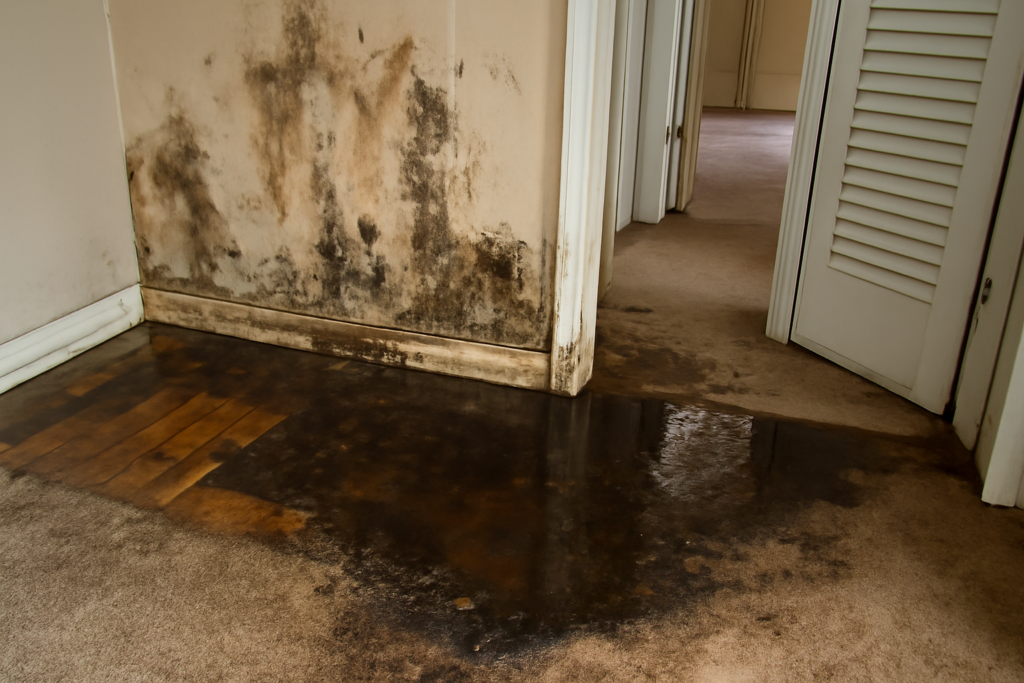
Dealing With Sewage Backups in Suwanee, GA? We Handle It All.
We’ve seen pretty much everything when it comes to sewage backups affecting homes and businesses around here. From overflowing toilets in tight bathrooms to larger sewer line breaks impacting entire properties, our team has the firsthand experience you need. Dealing with sewage is never pleasant, and it requires specialized knowledge to do it right. We understand the unique challenges that properties in Suwanee, GA can face, and we’re prepared to tackle them effectively.
You’ll find that over 165 local homeowners and business owners have trusted us to restore their properties after sewage incidents. They choose us because we don’t just clean up; we fully remediate the problem, ensuring your home is safe and healthy again. Getting your life back after a sewage event is our top priority, and our track record speaks for itself. We’re committed to providing a reliable service when you need it most.
- We use advanced drying technology to extract every bit of moisture, preventing mold and structural damage that can linger long after the visible mess is gone.
- Our technicians are IICRC certified in sewage and water damage restoration, meaning they’ve undergone rigorous training and testing to handle biohazards safely and effectively.
- We work directly with your insurance company, handling the complex claims process so you don’t have to worry about the paperwork while you’re dealing with the stress of the situation.
How Our Sewage Damage Restoration Process Works
A proper sewage damage restoration process is critical. It’s not just about removing the visible waste; it’s about sanitizing, drying, and restoring your property to its original condition, preventing long-term health risks and structural issues. When corners are cut, you’re left with lingering odors, potential mold growth, and compromised building materials. Following a proven protocol ensures that your home is truly safe again. We’ve refined our approach over years of service to be thorough and efficient.
1. Emergency Response and Assessment
When you call us, we’ll be there quickly to assess the situation. This initial inspection is crucial for understanding the scope of the sewage intrusion and determining the best course of action. Rapid response is key to minimizing damage and preventing further contamination. We’ll walk you through what we find and explain the necessary steps.
2. Containment of the Affected Area
Before any cleanup begins, we’ll set up containment barriers. This prevents the spread of contaminants to unaffected parts of your property. Protecting your living space is paramount during this phase. We use specialized equipment to ensure effective isolation.
3. Water Extraction and Sewage Removal
Our crews use powerful, industrial-grade pumps and vacuums to remove standing sewage water and contaminated materials. This is a critical, often messy, step that requires specialized gear. Removing all standing water is the first major step toward drying out your property. We handle all contaminated materials safely and according to regulations.
4. Cleaning and Sanitization
Once the bulk of the sewage is gone, we thoroughly clean and sanitize all affected surfaces. This involves using EPA-approved disinfectants to kill bacteria and viruses, eliminating health hazards. Thorough sanitization is vital for your family’s health. We pay close attention to every surface that came into contact with the sewage.
5. Drying and Dehumidification
We deploy specialized drying equipment, including high-speed air movers and industrial dehumidifiers, to remove moisture from the air and building materials. This process can take several days, depending on the extent of the saturation. Proper structural drying prevents secondary damage like mold growth. We monitor humidity levels closely throughout this phase.
6. Odor Control and Restoration
After drying, we address any remaining odors using advanced odor removal techniques. Finally, we complete any necessary repairs, such as replacing damaged drywall, flooring, or insulation. Restoring your home to its pre-loss condition is our ultimate goal. We ensure the environment is not only dry but also fresh and healthy.
Don’t let sewage backup disrupt your life any longer. Call us immediately to begin the restoration process. We’re ready to help you reclaim your property and your peace of mind.

Warning Signs You Need Sewage Damage Restoration
Recognizing the early signs of sewage issues can save you significant time, money, and health concerns. Ignoring these indicators can lead to more extensive damage and a more complicated restoration process. Addressing problems early is always your best bet. We’ve seen firsthand how quickly minor issues can escalate without proper attention.
Musty Odors That Won’t Go Away
A persistent, unpleasant smell, especially in bathrooms or basements, is a strong indicator of sewage contamination. Lingering odors signal trouble that needs professional attention. It’s more than just a bad smell; it’s a sign of potential biohazards.
Water Pooling Around Drains or Toilets
If you notice water backing up or pooling around drains or your toilet, especially when flushing, it suggests a blockage or break in your sewer line. Watch for water backup during heavy use. This is a direct sign that sewage is not flowing correctly.
Slow Drains or Gurgling Sounds
Drains that are consistently slow to empty, or hearing gurgling sounds from your plumbing when water is used elsewhere, can indicate a partial sewer line obstruction. Listen for plumbing noises that aren’t normal. These sounds often precede a more serious backup event.
Discolored or Foul-Smelling Water
Water backing up into your sinks, tubs, or showers that is discolored or has a foul odor is a clear sign of sewage contamination. Identify discolored water immediately. This isn’t just dirty water; it’s a health risk.
Visible Sewage or Wastewater
The most obvious sign is, of course, seeing sewage or wastewater pooling in your home or yard. This requires immediate professional intervention. Act fast if you see sewage. This is an emergency situation that demands expert handling.
Mold or Mildew Growth
While not always a direct sign of a sewage backup, the presence of mold or mildew, especially with a musty smell, can indicate hidden moisture issues that may be related to plumbing problems. Inspect for mold growth carefully. It often thrives in damp, unsanitary conditions.
Sewage Damage Restoration vs. DIY: When To Call a Professional
| Situation | DIY? | Call a Pro? | Why |
|---|---|---|---|
| Minor toilet overflow with clear water | Yes, with gloves and disinfectant | No | Usually contained, manageable with basic cleaning supplies. |
| Sewage backup in basement after heavy rain | No | Yes | Biohazard risk is high, requires specialized equipment and containment. |
| Water pooling around a drain that smells foul | Maybe, for initial cleanup only | Yes | Could be a sign of a larger sewer line issue needing professional diagnosis. |
| Contaminated carpet and padding | No | Yes | Materials are porous and must be removed and properly disposed of. |
| Sump pump failure leading to sewage intrusion | No | Yes | Requires specialized extraction, drying, and sanitization to prevent mold. |
| A small amount of dirty water under a sink | Yes, cautiously | No | If contained and not sewage, basic cleanup might suffice, but monitor closely. |
For anything involving actual sewage or significant wastewater intrusion, calling a professional is always the safest and most effective route. Trusting the experts ensures that the problem is fully resolved and your property is safe for occupancy. DIY attempts with sewage can lead to serious health risks and long-term damage.
Sewage Damage Restoration Cost In Suwanee, GA
The cost of sewage damage restoration in Suwanee, GA can vary significantly. Factors like the amount of sewage, the size of the affected area, the type of materials contaminated, and the complexity of the job all play a role. Understanding potential costs helps homeowners prepare. These estimates are for informational purposes only.
| Service | Typical Price Range | What Affects Cost |
|---|---|---|
| Emergency Water Extraction | $500 – $2,500 | Volume of water, accessibility of the area. |
| Sewage Cleanup & Sanitization | $1,000 – $5,000+ | Severity of contamination, square footage treated, type of disinfectants used. |
| Structural Drying & Dehumidification | $800 – $3,000+ | Size of affected space, saturation levels, duration of drying needed. |
| Odor Removal | $300 – $1,500 | Intensity of odor, size of affected area, type of treatment required. |
| Content Cleaning & Restoration | $500 – $4,000+ | Number of items affected, complexity of cleaning needed for each item. |
| Demolition & Debris Removal | $400 – $2,000+ | Amount of material needing removal, disposal fees. |
The best way to get an accurate estimate for your specific situation is to have our team perform an on-site assessment. Getting a free estimate is the first step toward a safe and clean property. We’re happy to discuss your needs and provide a clear, upfront quote.
Service Areas Near Suwanee, GA
Buford, Duluth, Norcross, Suwanee, Johns Creek, Lawrenceville, Lilburn, Snellville, Sugar Hill, Cumming, Roswell, Alpharetta, Sandy Springs, Atlanta, Marietta, Decatur, Stone Mountain, Mableton, Smyrna, Austell
Common Questions About Sewage Damage Restoration
What’s the difference between black water and gray water, and why does it matter for cleanup?
Black water is sewage or contaminated flood water that poses a serious health risk due to pathogens. Gray water comes from sources like washing machines or dishwashers and is less hazardous but still needs careful handling. Understanding water categories helps us apply the right treatment. We use specific protocols and disinfectants for black water to ensure your safety.
How long does sewage damage restoration typically take?
The timeline can vary greatly depending on the extent of the damage. Basic cleanup might take a few days, but thorough drying and restoration, especially after a severe backup, can take one to two weeks or more. Estimating restoration time depends on many factors. We’ll provide you with a realistic timeline after our initial assessment.
Is sewage damage covered by homeowner’s insurance?
Coverage for sewage damage often depends on the cause of the backup and the specific policy you have. Most standard policies don’t cover damage from sewer backups unless you have a specific endorsement or rider. Navigating insurance claims can be complex. We can help document the damage for your adjuster and work with your insurance provider.
What kind of equipment do you use for sewage cleanup?
We use professional-grade equipment, including high-powered water extractors, industrial dehumidifiers, air movers, HEPA vacuums, and specialized cleaning and sanitizing agents. Using advanced equipment is essential for effective remediation. This gear allows us to remove moisture and contaminants safely and efficiently.
Can I prevent sewage backups in my home?
Preventative measures include regular sewer line maintenance, avoiding flushing improper items down toilets, installing backwater valves, and being mindful of tree roots that can infiltrate sewer lines. Proactive prevention saves you from costly emergencies. While not all backups are preventable, taking these steps significantly reduces your risk.
Check Our Other Relevant Services
- Contents Restoration Services in Suwanee, GA
- Black Water Damage Restoration (Category 3) in Suwanee, GA

Jerry Johns is a licensed Damage Restoration Expert with over 20 years of hands-on experience helping homeowners and businesses navigate property crises. As a trusted authority in the field, Jerry combines technical precision with a compassionate approach to disaster recovery.
𝗖𝗲𝗿𝘁𝗶𝗳𝗶𝗰𝗮𝘁𝗶𝗼𝗻𝘀: Jerry holds multiple elite IICRC certifications, including Water Damage Restoration (WRT), Applied Microbial Remediation (Mold), Applied Structural Drying (ASD), Odor Control, and Fire and Smoke Restoration.
𝗙𝗮𝘃𝗼𝗿𝗶𝘁𝗲 𝗣𝗮𝘀𝘁𝗶𝗺𝗲: When he isn’t on a job site, Jerry is an avid outdoorsman who enjoys fly fishing and restoring vintage woodworking tools.
𝗕𝗲𝘀𝘁 𝗣𝗮𝗿𝘁 𝗼𝗳 𝘁𝗵𝗲 𝗝𝗼𝗯: Jerry finds the most fulfillment in seeing the relief on a client’s face when their property is finally restored to its pre-loss condition, turning a stressful disaster into a fresh start.