Trusted by 165+ Homeowners
Sewage Damage Restoration in Union City, GA
- Over 165 5-Star Reviews
- Free Estimates and Quotes
- 100% Satisfaction Guaranteed
- Child, Family & Pet Safe Steps
- 24-Hour Emergency Service
- Fully Licensed & Insured
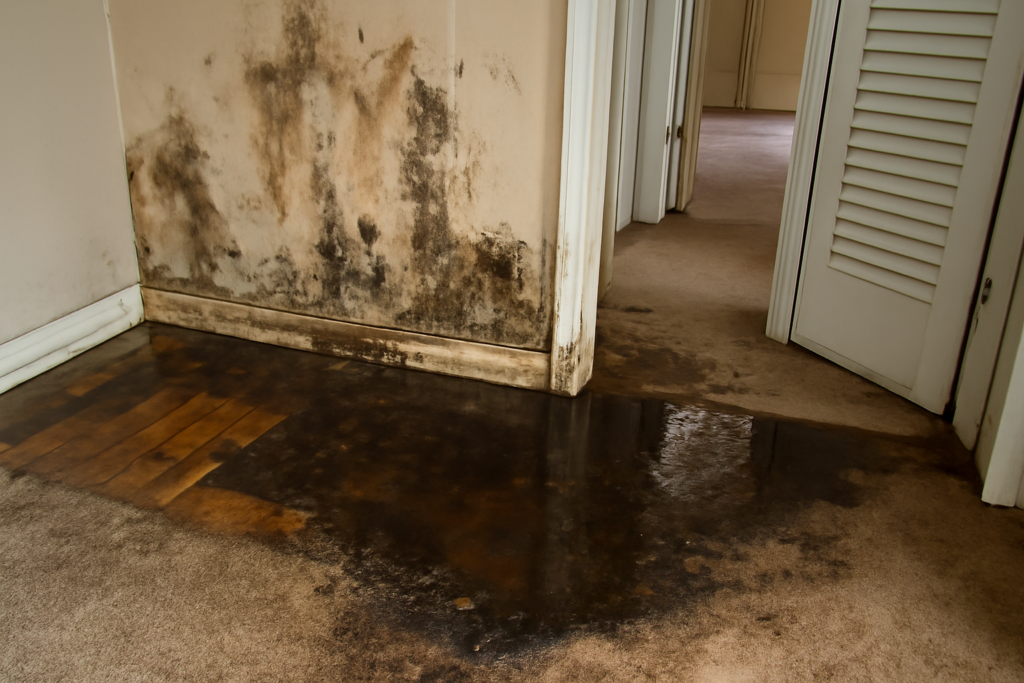
When Black Water Invades: Sewage Damage Restoration in Union City, GA
Did you know that sewage backups can release over 100 different types of disease-causing organisms? It’s a number that surprises most homeowners, and it highlights why immediate, professional action is crucial when you’re dealing with sewage damage. This isn’t just about water; it’s about a serious contamination risk to your property and your family’s health. We understand that facing this situation is incredibly stressful, and our team is here to help you navigate it with clear, practical steps to restore your home.
Locally, homeowners have trusted our experienced crews for over 165 five-star reviews when sewage emergencies happen. They choose us because we don’t just clean up the mess; we meticulously address the underlying issues and potential health hazards. You’ll find our approach is direct, informative, and focused on getting your property back to a safe, clean state as efficiently as possible. We’re known for our thorough cleanup and transparent communication throughout the entire restoration process.
- We specialize in identifying and neutralizing harmful bacteria and pathogens often present in sewage, ensuring your home is not just dry but truly sanitary.
- Our team works directly with your insurance company to help document the damage and process your claim, minimizing your out-of-pocket stress and confusion.
- We use advanced drying and decontamination techniques to prevent long-term issues like mold growth and lingering odors, protecting your investment.
How Sewage Damage Restoration Actually Works
When sewage intrudes into your home, a rushed or improper cleanup can lead to persistent health risks and structural damage. Our process is designed to be thorough and effective, focusing on containment, removal, and complete sanitation. We follow strict protocols to ensure your property is safe for re-entry. It’s about more than just removing water; it’s about complete decontamination and preventing future problems. You need a team that understands the science behind it and has the right tools for the job.
1. Emergency Water Extraction
The first critical step involves rapidly removing all standing sewage water. We use powerful, truck-mounted extraction units that can remove thousands of gallons of water per hour. This immediate action helps prevent further saturation of your building materials and limits the spread of contamination. It’s important to start this extraction promptly to minimize damage.
2. Debris Removal and Demolition
Once the bulk of the water is gone, we’ll carefully remove any affected porous materials like carpet, padding, drywall, and insulation that cannot be salvaged. This step is crucial because these materials often harbor bacteria and are difficult to decontaminate fully. Our crews handle this with care to expose the underlying structure for proper cleaning. This often involves careful demolition to access contaminated areas.
3. Thorough Cleaning and Sanitization
This is where true restoration begins. We use specialized cleaning agents and EPA-approved disinfectants to thoroughly clean all affected surfaces – floors, walls, and even structural components. Our goal is to kill bacteria, viruses, and other harmful microorganisms left behind by the sewage. This step is vital for your family’s health and safety.
4. Advanced Drying and Dehumidification
After cleaning, we deploy industrial-grade air movers and dehumidifiers. These powerful machines work to rapidly dry out your property’s structure, pulling moisture from wood, concrete, and other dense materials. Proper drying prevents secondary damage like mold and rot. We monitor humidity levels closely to ensure effective drying.
5. Odor Control
Sewage backups often leave behind potent and unpleasant odors. We utilize specialized odor removal equipment, such as hydroxyl generators and foggers, to neutralize odor molecules at their source. This ensures your home smells fresh and clean, not just masked. Effective odor elimination is a key part of our service.
Don’t let sewage backup linger. Addressing this problem quickly and correctly protects your home and your family’s well-being. Call us now for immediate assistance and a clear plan to restore your home.

Warning Signs You Need Sewage Damage Restoration
Recognizing the early signs of sewage contamination can save you significant time, money, and potential health issues down the line. Ignoring these indicators can allow damage to worsen and spread. Our team helps homeowners in your neighborhood identify and address these problems before they become major catastrophes. Catching these issues early is key to prevention.
Musty Odors That Won’t Go Away
A persistent, unpleasant smell, especially a musty or rotten odor, is often the first sign of sewage or water intrusion. This smell can indicate hidden contamination. Don’t just mask it; investigate the source of the smell.
Visible Water or Wet Spots
Any unexplained wet spots on floors, carpets, or walls, especially if accompanied by an odor, could be a sign of a sewage leak or backup. Even small amounts of water can lead to significant damage. Look for unusual dampness.
Gurgling Noises From Drains
Hearing gurgling sounds when you flush toilets or run water, particularly if it’s accompanied by slow drains, can indicate a blockage in your sewer line. This is a direct warning of potential backup. These noises are a serious warning sign.
Sewage Backing Up Into Fixtures
When sewage water backs up into sinks, toilets, or shower drains, it’s a clear and urgent sign of a sewer line problem. This requires immediate attention to prevent further contamination. This is a critical emergency.
Mold or Mildew Growth
While often a sign of general water damage, mold and mildew can also appear after sewage incidents if moisture isn’t properly removed. Their presence indicates an ongoing moisture problem that needs addressing. Watch for unexplained mold.
Pest Infestations
Sewage contamination can attract insects and rodents. An increase in pests around drains or basement areas could be linked to a sewage problem. Pests can be a hidden indicator.
Sewage Damage Restoration vs. DIY: When To Call a Professional
| Situation | DIY? | Call a Pro? | Why |
|---|---|---|---|
| Minor toilet overflow (clear water only) | Yes | No | Usually manageable with towels and a wet vac if contained quickly. |
| Sewage backing up into sinks or tubs | No | Yes | This is black water; it’s a health hazard and requires professional containment and sanitization. |
| Sump pump failure causing basement flooding with contaminated water | No | Yes | Requires specialized pumps and sanitizing agents to remove and treat safely. |
| Visible sewage on carpets and upholstery | No | Yes | These porous materials absorb contaminants and are very difficult to decontaminate effectively DIY. |
| Sewage backup causing drywall or subfloor damage | No | Yes | Requires professional demolition, cleaning, and drying to prevent long-term structural issues and mold. |
| Persistent foul odors after a minor incident | Maybe | Yes | Lingering odors often mean hidden contamination or moisture that needs professional treatment. |
For any situation involving actual sewage or black water, calling a professional is always the safest and most effective route. DIY efforts can inadvertently spread contamination or fail to fully remove hazardous materials. Our team is equipped to handle the full scope of sewage damage, ensuring your health and safety.
Sewage Damage Restoration Cost In Union City, GA
The cost of sewage damage restoration can vary significantly based on the extent of the contamination, the size of the affected area, and the specific materials damaged. These figures are general estimates for Union City, GA, and an on-site assessment is always needed for an accurate quote. Factors like accessibility and the type of sewage (Category 3 water) also play a role in the final restoration cost.
| Service | Typical Price Range | What Affects Cost |
|---|---|---|
| Emergency Water Extraction (Initial) | $500 – $2,500 | Amount of water, accessibility, and urgency of the extraction. |
| Debris Removal & Demolition | $750 – $4,000+ | Volume of contaminated materials to be removed and labor intensity. |
| Cleaning & Sanitization | $1,000 – $5,000+ | Square footage affected, type of cleaning agents used, and level of contamination. |
| Drying & Dehumidification Setup | $800 – $3,000 | Number of air movers and dehumidifiers needed, and duration of drying. |
| Odor Removal Treatments | $400 – $2,000 | Severity of odor, size of affected space, and type of equipment used. |
| Mold Remediation (if secondary damage occurs) | $1,500 – $7,000+ | Extent of mold growth, affected materials, and containment requirements. |
We provide free, detailed estimates after a thorough inspection of your property. Understanding your insurance policy and how it covers sewage damage is also important, and we can help you navigate that process. Let us provide a clear cost breakdown for your specific situation.
Service Areas Near Union City, GA
Riverdale, Fairburn, East Point, College Park, Atlanta, Hapeville, Forest Park, Jonesboro, Morrow, Lovejoy, Tyrone, Peachtree City, Fayetteville, Conley, Scottdale, Clarkston, Decatur, Chamblee, Doraville, Lithonia.
Common Questions About Sewage Damage Restoration
What’s the difference between gray water and black water?
Gray water typically comes from sources like sinks, dishwashers, and washing machines, and while it can contain contaminants, it’s generally less hazardous than black water. Black water, on the other hand, originates from sources like toilets, sewage backups, and flooding from rivers or streams. It contains dangerous pathogens and requires immediate, professional sewage damage cleanup. Our team is trained to handle the risks associated with black water.
How long does sewage damage restoration take?
The timeline for sewage damage restoration varies greatly depending on the severity of the contamination and the size of the affected area. Initial extraction and demolition might take 1-3 days, while thorough drying and sanitization can take anywhere from 3 days to 2 weeks. We work diligently to speed up the process while ensuring complete restoration. We’ll give you a realistic timeline after our initial assessment.
Is sewage damage covered by homeowner’s insurance?
Coverage for sewage damage depends heavily on your specific homeowner’s insurance policy. Many standard policies exclude damage from sewer backups or sump pump failures unless you have purchased a specific endorsement for this type of coverage. We can help you understand your policy and work with your insurance adjuster to document the claim. Filing an insurance claim can be complex, and we simplify it for you.
What are the health risks associated with sewage backup?
Sewage contains numerous harmful bacteria, viruses, and parasites that can cause serious illnesses, including gastrointestinal problems, infections, and respiratory issues. Long-term exposure to contaminated environments can also lead to chronic health concerns. Proper sanitation and disinfection by professionals are crucial to mitigate these significant health risks. Our IICRC-certified technicians prioritize your family’s safety.
Can I prevent sewage backups in my home?
Regular maintenance of your sewer line, such as occasional flushing or inspection, can help prevent blockages. Avoid flushing anything other than toilet paper, and be mindful of what goes down your drains. Installing a backwater valve can also provide protection. While prevention is ideal, if a backup does occur, prompt professional intervention is key to minimizing damage. We offer advice on proactive measures.
Check Our Other Relevant Services
Serving Union City, GA And Nearby Areas