Trusted by 165+ Homeowners
Sewer Backup Cleanup in Union City, GA
- Over 165 5-Star Reviews
- Free Estimates and Quotes
- 100% Satisfaction Guaranteed
- Child, Family & Pet Safe Steps
- 24-Hour Emergency Service
- Fully Licensed & Insured

When Your Home’s Plumbing Fights Back: Expert Sewer Backup Cleanup in Union City, GA
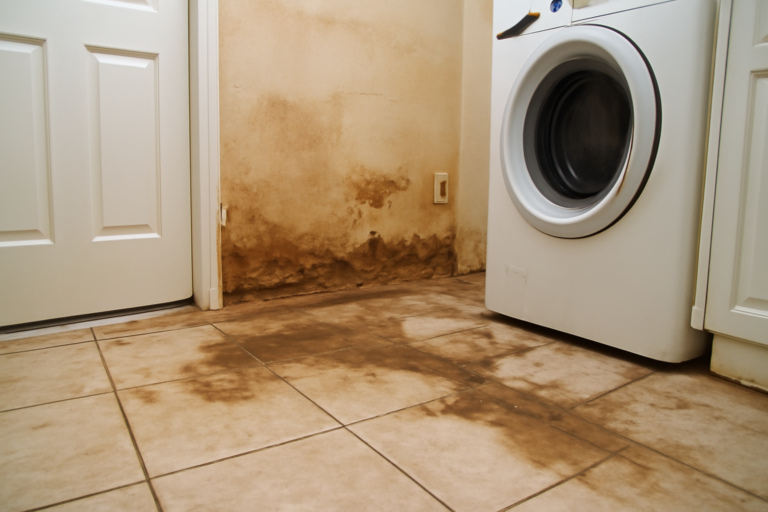
Here in Union City, GA, we know how unpredictable our Georgia weather can be, and sometimes that means heavy rains can overwhelm our local sewer systems. When that happens, your home can unfortunately become the lowest point for backed-up sewage. It’s a messy, unhealthy situation that nobody wants to deal with. Dealing with sewage requires immediate attention and the right approach to safeguard your family’s health and prevent long-term damage to your property.
Homeowners around here trust our team because we understand the urgency and the specific challenges that come with sewer backups. With over 165 five-star reviews from your neighbors, you can see we’re committed to getting it right. We’ve learned a lot about what truly matters when sewage invades your living space, and it’s all about a methodical, thorough approach. You want a team that knows exactly what they’re doing when dealing with hazardous materials and gets your home back to normal quickly.
- We focus on immediate containment to stop the spread of contamination and protect unaffected areas of your home.
- Our advanced drying and dehumidification process targets hidden moisture, preventing mold growth and structural issues.
- We use specialized equipment to thoroughly clean, sanitize, and deodorize your property, ensuring it’s safe and healthy again.
How We Tackle Sewer Backup Cleanup for Your Home
A sewer backup isn’t just a mess; it’s a biohazard. That’s why our process is meticulously designed to be efficient, safe, and effective. Cutting corners here can lead to lingering odors, mold problems, and health risks that are far more costly down the line. We believe in doing it right the first time, every time, so you can get your life back on track without further worry. We’ll walk you through each step so you know exactly what to expect.
1. Immediate Assessment and Containment
As soon as we arrive, we’ll do a quick but thorough assessment to understand the scope of the backup. Our priority is to stop the sewage flow and contain the affected area immediately. This prevents further damage and keeps the hazardous materials from spreading into other parts of your home. We use specialized barriers and equipment to isolate the mess.
2. Safe Sewage Extraction
This is where we get to work removing the standing sewage and contaminated water. We use powerful, truck-mounted extraction units and submersible pumps to remove as much liquid as possible. This step is crucial for minimizing water saturation and starting the drying process quickly. Our crews are trained to handle these materials safely and dispose of them properly.
3. Demolition and Removal of Damaged Materials
Unfortunately, porous materials like drywall, carpeting, and insulation that have come into contact with sewage often need to be removed. We carefully identify and dispose of these items according to strict safety guidelines. This is a necessary step to ensure that all contaminated materials are gone, preventing future health hazards and odors. We’ll make sure to document everything for your records.
4. Thorough Cleaning and Sanitization
Once the damaged materials are removed, we meticulously clean all affected surfaces. We use industrial-strength cleaning agents and EPA-approved disinfectants to kill bacteria and neutralize odors. This step is vital for restoring a healthy environment and ensuring your home is safe for your family again. We pay attention to every nook and cranny.
5. Advanced Drying and Dehumidification
Even after cleaning, residual moisture can remain, leading to mold and structural damage. We deploy high-velocity air movers and industrial dehumidifiers to dry out the affected areas completely. This process can take several days, but it’s essential for preventing secondary damage and ensuring your home is truly dry. We monitor the drying process closely.
Don’t let a sewer backup linger. Contact us immediately if you suspect a problem so we can start the cleanup process. Your health and home safety are our top priorities.

Warning Signs You Need Sewer Backup Cleanup
Sometimes, the signs of a sewer backup aren’t immediately obvious, but catching them early can save you a lot of trouble and expense. Being aware of these indicators helps you prevent bigger issues down the road. Don’t ignore these subtle clues; they could be pointing to a serious problem.
Musty Odors That Won’t Go Away
If you notice persistent, unpleasant smells, especially in basements or lower floors, it could indicate a sewage issue. These odors often get worse after heavy rain. Investigate unusual smells promptly.
Slow-Draining or Gurgling Drains
When water drains slowly from your sinks, tubs, or toilets, or you hear gurgling sounds, it often means there’s a blockage in your main sewer line. This is a common precursor to a full backup. Pay attention to drain performance.
Water Backing Up into Fixtures
The most obvious sign is when water starts backing up into your shower, tub, or sinks when you use other plumbing fixtures. This means the main line is likely blocked. This is a critical warning sign.
Sewage Odors Around Your Yard
If you detect sewage smells outside your home, particularly near the sewer line cleanout or vents, it could mean a line has broken or is backing up. Check your outdoor areas for foul odors.
Toilet Water Levels Fluctuating
If the water level in your toilet bowl rises or falls unexpectedly when you use other drains or flush, it’s a sign of pressure issues in the sewer line. This indicates a problem that needs attention. Monitor your toilet water.
Sewer Backup Cleanup vs. DIY: When To Call a Professional
| Situation | DIY? | Call a Pro? | Why |
|---|---|---|---|
| Minor surface spill from a sink backup (no sewage) | Yes, with gloves and disinfectant | No | Usually manageable with basic cleaning supplies. |
| Water pooling in a corner of the basement after heavy rain, no visible sewage | Maybe, if shallow and clean | Yes | Could be groundwater intrusion or a hidden sewer issue. |
| Toilet water visibly backing up into the shower | Absolutely Not | Yes | This is raw sewage; extreme health hazard. |
| Persistent, strong sewage odors throughout the house | No | Yes | Odors indicate contamination that needs professional treatment. |
| Carpet or drywall soaked with murky water | No | Yes | Porous materials harbor bacteria and need specialized drying/removal. |
| Concerned about mold growth after a backup | No | Yes | Mold remediation requires specific expertise and equipment. |
While minor water spills can sometimes be handled with DIY efforts, sewer backups are a different story. The presence of sewage introduces significant health risks and requires specialized equipment and knowledge to clean and sanitize properly. For anything beyond a minor, clean water incident, calling a professional is always the safest choice to protect your health and property.
Sewer Backup Cleanup Cost In Union City, GA
The cost for sewer backup cleanup in Union City, GA, can vary widely. Factors like the extent of the backup, the amount of sewage to extract, the square footage affected, and the type of materials that need removal all play a role. These are general estimates, and an on-site assessment is always needed for an accurate quote.
| Service Aspect | Typical Price Range | What Affects Cost |
|---|---|---|
| Initial Assessment and Containment | $300 – $1,000 | Severity of the backup and size of the affected area. |
| Sewage Extraction and Water Removal | $750 – $3,500 | Volume of sewage and water, and accessibility. |
| Demolition and Disposal of Contaminated Materials | $500 – $4,000+ | Amount of drywall, flooring, and insulation needing removal. |
| Deep Cleaning and Sanitization | $500 – $2,500 | Square footage of affected areas and required cleaning agents. |
| Drying and Dehumidification Setup | $500 – $2,000 | Number and type of drying equipment needed. |
| Odor Removal Treatment | $300 – $1,500 | Severity of the odor and size of the space. |
These figures represent typical costs associated with sewer backup cleanup. We offer free, no-obligation estimates after an on-site inspection so you know exactly what to expect before we begin.
Service Areas Near Union City, GA
Atlanta, East Point, College Park, Hapeville, Forest Park, Morrow, Jonesboro, Riverdale, Fairburn, Palmetto, Fayetteville, Tyrone, Lovejoy, Stockbridge, Hampton, McDonough, Lithonia, Clarkston, Decatur, Atlanta.
Common Questions About Sewer Backup Cleanup
What causes sewer backups?
Sewer backups are most commonly caused by blockages in the main sewer line. These can be from grease buildup, flushed debris like wipes or feminine hygiene products, tree roots invading the pipes, or problems with the municipal sewer system. Sometimes, heavy rainfall can also overwhelm the system. We can help identify the source and clean up the mess.
How quickly do I need to address a sewer backup?
You need to act immediately. Sewage is a significant health hazard, containing bacteria, viruses, and other pathogens. The longer it sits, the more it can damage your home’s structure and lead to mold growth. Prompt action is critical for your safety and to minimize the extent of the cleanup and restoration needed.
Is sewer backup cleanup covered by homeowner’s insurance?
Coverage for sewer backups can vary greatly depending on your specific policy and the cause of the backup. Many policies require an endorsement or rider for sewer backup coverage. It’s best to review your policy details or contact your insurance provider. We can help document the damage for your claim.
How long does the sewer backup cleanup process take?
The timeline depends heavily on the severity of the backup and the size of the affected area. Simple extractions and drying might take a few days, but if significant demolition and reconstruction are needed, it could take weeks. We work efficiently to restore your home as quickly as possible while ensuring thoroughness.
How can I prevent sewer backups in the future?
Preventing backups involves mindful habits and regular maintenance. Avoid flushing anything other than toilet paper. Be cautious about what goes down your kitchen sink, especially grease and coffee grounds. Consider having your sewer line inspected periodically for tree roots. We can provide expert advice on prevention and maintenance.
Check Our Other Relevant Services
Serving Union City, GA And Nearby Areas