
Trusted by 165+ Homeowners
Sewage Damage Restoration in Woodstock, GA
- Over 165 5-Star Reviews
- Free Estimates and Quotes
- 100% Satisfaction Guaranteed
- Child, Family & Pet Safe Steps
- 24-Hour Emergency Service
- Fully Licensed & Insured
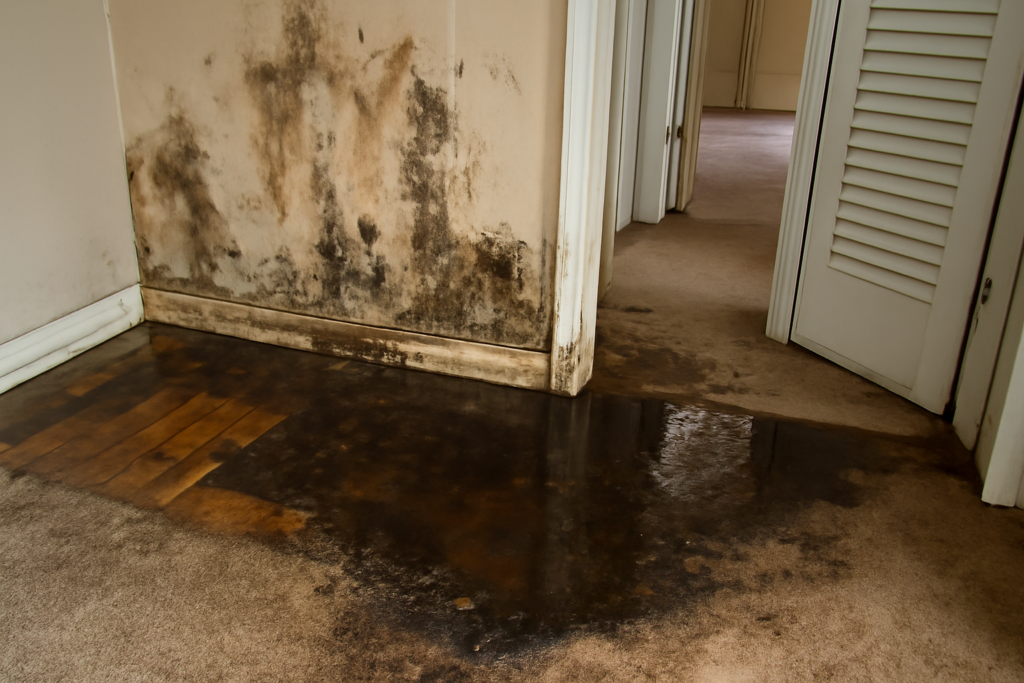
When Sewage Backs Up: Expert Restoration in Woodstock, GA
It’s a homeowner’s worst nightmare: sewage backing up into your home. Don’t try to clean it yourself. Raw sewage contains dangerous bacteria and viruses that can cause serious health problems. The most critical thing to remember is to shut off your water main immediately if you suspect a sewer line issue, and then call for professional help right away. Prompt action is key to minimizing damage and protecting your family’s health.
We’ve helped over 165 local families deal with sewage emergencies, earning more than 165 five-star reviews for our rapid response and thorough work. Homeowners around here trust us specifically for sewage damage because we understand the unique challenges and the urgent need for a fast, effective cleanup. You can count on our dedicated crews to treat your property with the respect it deserves during a difficult time.
- We tackle the immediate health risks by safely removing contaminated materials and disinfecting affected areas, ensuring your home is safe again.
- Our rapid drying process prevents secondary damage like mold growth, which can quickly become another expensive problem if not addressed swiftly.
- We handle the entire process, from initial cleanup and odor removal to full restoration, so you don’t have to worry about coordinating multiple contractors.
The Professional Sewage Damage Restoration Process
When sewage invades your home, the process needs to be quick, thorough, and methodical. A rushed or incomplete cleanup can leave behind lingering odors and pose ongoing health risks. We follow a proven system designed to extract the mess, dry your property completely, and restore it to its pre-loss condition. This involves specialized equipment and strict safety protocols that you simply can’t replicate with DIY methods. We’ll walk you through each step so you know exactly what to expect.
1. Emergency Inspection and Assessment
Our team arrives quickly to assess the extent of the sewage damage. We’ll identify the type of sewage (black, gray, or clear water) and determine the affected areas. This initial inspection helps us create a targeted restoration plan and estimate the necessary resources. We aim to complete this initial assessment within one to two hours of arrival.
2. Containment of the Affected Area
To prevent the spread of contamination, we’ll set up containment barriers. This might involve sealing off doorways or vents using specialized plastic sheeting. This crucial step protects unaffected areas of your home from airborne contaminants and helps our drying equipment work more efficiently. We use negative air pressure machines to ensure contaminants stay contained.
3. Water Extraction and Sewage Removal
This is where the heavy lifting happens. We use powerful, truck-mounted extraction equipment to remove standing sewage and contaminated water as quickly as possible. The sooner we can extract the water, the less time it has to soak into your flooring, subflooring, and walls. We typically complete this extraction process within a few hours, depending on the volume of water.
4. Cleaning and Disinfection
Once the bulk of the water is gone, we thoroughly clean and disinfect all affected surfaces. This is vital for neutralizing bacteria and preventing the spread of disease. We use EPA-approved disinfectants specifically designed for sewage contamination. This step is critical for long-term health and safety and can take one to two days depending on the severity.
5. Drying and Dehumidification
After cleaning, we set up industrial-strength air movers and dehumidifiers to rapidly dry out your home. This process is essential to prevent mold growth and structural damage. We monitor moisture levels closely using specialized meters to ensure everything dries completely and safely. Effective drying can take anywhere from three to seven days.
6. Odor Removal
Sewage damage often leaves behind stubborn, unpleasant odors. We employ advanced odor control technologies, such as thermal fogging or ozone treatments, to eliminate these smells at their source. This ensures your home not only looks clean but also smells fresh and healthy again. This step usually takes one to two days.
Don’t wait for the situation to worsen. Call us immediately if you’re dealing with sewage backup. We’re ready to respond 24/7 to mitigate the damage and begin the restoration process for your home in the Woodstock area.

Warning Signs You Need Sewage Damage Restoration
Recognizing the signs of sewage issues early can save you a lot of trouble and expense down the line. Ignoring small problems can lead to much larger, more dangerous situations. Pay attention to these indicators, as they often signal the need for professional intervention to protect your property and your family’s well-being.
Musty Odors That Won’t Go Away
A persistent, unpleasant smell, especially in basements or bathrooms, is a strong indicator of sewage contamination. This odor can signal that sewage has seeped into your flooring, walls, or subflooring. Don’t just mask it; investigate the source.
Slow Drains or Gurgling Toilets
If your drains are draining slowly or you hear gurgling sounds from your toilets or sinks when water is used elsewhere, it could mean a blockage in your main sewer line. This is a clear sign of potential backup issues that require immediate professional attention.
Water Backing Up into Fixtures
Seeing water emerge from your shower drain, sink, or toilet when it shouldn’t is a direct sign of a sewer line problem. This often indicates that your main line is overwhelmed or blocked, and the backup is being forced into the lowest available fixture. Stop using water immediately if this happens.
Visible Sewage or Wastewater Around Your Property
If you notice puddles of murky water or actual sewage pooling in your yard, especially near your sewer cleanout or foundation, it’s a serious problem. This suggests a leak or break in your underground sewer line. Avoid contact with this water as it’s highly contaminated.
Mold or Mildew Growth
While not always directly caused by sewage, the damp conditions created by a sewage leak or backup can accelerate mold and mildew growth. If you start seeing mold, especially in damp areas, it could be linked to an underlying moisture problem that needs addressing. Mold can spread quickly.
Unexplained Water Stains or Damp Spots
Damp spots on ceilings, walls, or floors, particularly in lower levels, can be a sign of water intrusion. If these spots have a foul odor, it’s highly probable that sewage is involved. Look for discoloration and feel for unusual dampness.
Sewage Damage Restoration vs. DIY: When To Call a Professional
| Situation | DIY? | Call a Pro? | Why |
|---|---|---|---|
| Minor toilet overflow with clear water | Yes, with caution | No | Likely contains minimal contaminants and can be cleaned with household cleaners. |
| Sewage backup in basement or main living area | No | Yes | Raw sewage is a biohazard requiring specialized equipment and safety protocols. |
| Carpet and pad soaked with black water | No | Yes | These materials are porous and highly contaminated; they must be removed and replaced safely. |
| Water damage affecting drywall or insulation | No | Yes | Materials can absorb contaminants and must be properly removed, dried, and disinfected or replaced. |
| Dealing with persistent foul odors after a spill | No | Yes | Odors often indicate deeper contamination or moisture issues that require professional equipment. |
| Water damage near electrical outlets or systems | No | Yes | Safety is paramount; professionals have the tools and training to handle electrical hazards. |
For anything beyond a minor spill of clean water, calling a professional for sewage damage is the safest and most effective choice. Improper cleanup can lead to serious health risks and costly long-term damage. Our trained crews have the experience and equipment to handle these hazardous situations properly.
Sewage Damage Restoration Cost In Woodstock, GA
The cost of sewage damage restoration in Woodstock, GA, can vary significantly. Factors like the extent of the contamination, the size of the affected area, and the type of sewage involved all play a role. These price ranges are estimates and a proper on-site assessment is needed for an accurate quote.
| Service | Typical Price Range | What Affects Cost |
|---|---|---|
| Emergency Water Extraction | $500 – $2,500 | Volume of water, speed of response, and accessibility of the area. |
| Containment and Demolition | $300 – $1,500 | Size of the affected zone and the amount of contaminated materials needing removal. |
| Structural Drying and Dehumidification | $1,000 – $5,000+ | Square footage, severity of saturation, and duration needed for complete drying. |
| Disinfection and Sanitization | $400 – $2,000 | Area treated, type of disinfectant used, and thoroughness of application. |
| Odor Removal Treatments | $300 – $1,500 | Severity of odor and the technology required (e.g., ozone, thermal fogging). |
| Mold Remediation (if secondary growth occurs) | $1,000 – $7,000+ | Extent of mold, type of mold, and affected materials requiring removal or treatment. |
These figures don’t include the cost of replacing flooring, drywall, or other structural elements that may have been too damaged to save. We offer free estimates to provide you with a clear understanding of the costs involved for your specific situation.
Service Areas Near Woodstock, GA
Canton, Marietta, Roswell, Kennesaw, Acworth, Sandy Springs, Dunwoody, Alpharetta, John’s Creek, Milton, Ball Ground, Holly Springs, Woodstock, Jasper, Cumming, Buford, Suwanee, Norcross, Duluth, Lawrenceville.
Common Questions About Sewage Damage Restoration
What should I do if my toilet overflows with sewage?
Your first step should be to shut off the toilet’s water supply valve immediately to prevent further flooding. If the overflow is significant or you suspect it’s a sewer line issue, turn off your main water valve as a precaution. Then, call our team right away. We have the specialized equipment and protective gear needed to safely handle sewage cleanup and prevent health hazards.
How long does sewage damage cleanup take?
The timeline for sewage damage restoration varies greatly depending on the severity. A minor incident might be resolved in a few days, while extensive contamination could take one to two weeks or longer. Our crews work efficiently to extract water, dry the structure, and disinfect thoroughly, but proper drying is crucial and can’t be rushed.
Is sewage backup covered by homeowner’s insurance?
Coverage for sewage backup can be tricky. Standard homeowner’s policies often exclude it unless you have a specific endorsement or rider for water backup and sump pump overflow. It’s best to check your policy details or contact your insurance provider. We can work with your adjuster to document the damage and facilitate the claims process.
How dangerous is raw sewage in my home?
Raw sewage is extremely dangerous. It contains a high concentration of harmful bacteria, viruses, and other pathogens that can cause serious illnesses like E. coli, Hepatitis A, and Salmonella. It’s crucial to avoid direct contact and leave the cleanup to trained professionals who use appropriate personal protective equipment (PPE) and follow strict safety protocols.
Can I prevent sewage backups?
While not all backups are preventable, you can reduce the risk. Avoid flushing anything other than toilet paper down your toilets, and be mindful of what goes down your drains. Consider installing backwater valves in your plumbing system and have your sewer line inspected periodically, especially if you have older pipes or trees on your property. Regular maintenance is key to preventing future problems.
Check Our Other Relevant Services
Serving Woodstock, GA And Nearby Areas


