Trusted by 165+ Homeowners
Sprinkler System Water Damage Restoration in College Park, GA
- Over 165 5-Star Reviews
- Free Estimates and Quotes
- 100% Satisfaction Guaranteed
- Child, Family & Pet Safe Steps
- 24-Hour Emergency Service
- Fully Licensed & Insured

Don’t Let a Leaky Sprinkler System Ruin Your Home in College Park, GA
It’s easy to overlook the sprinkler system until it causes a problem, and then it can happen fast. You might notice a patch of unusually wet carpet or hear dripping sounds that aren’t quite right. If your sprinkler system has malfunctioned, you’re facing more than just a mess; you’re dealing with potential structural damage and the risk of mold growth if not addressed promptly. It’s crucial to catch these issues early, especially here in College Park, GA, where humidity can exacerbate water problems. You need to act quickly to prevent further harm to your property.
Homeowners around here trust us because we understand the unique challenges of water damage from irrigation systems. With over 165 five-star reviews, our neighbors know we deliver reliable service when they need it most. We’ve helped countless families in your neighborhood get back to normal after unexpected water incidents. You can count on our team to handle your sprinkler system water damage with the care and expertise your home deserves, ensuring a thorough and efficient cleanup.
- Immediate water extraction using powerful truck-mounted vacuums prevents water from spreading further into your flooring and subfloors.
- Advanced drying techniques with specialized industrial-grade air movers and dehumidifiers ensure all hidden moisture is removed, protecting your home’s integrity.
- Careful inspection and containment of the affected area to prevent cross-contamination and ensure a healthy indoor environment.
How We Tackle Sprinkler System Water Damage
When your sprinkler system springs a leak, every minute counts. Delays in addressing the water intrusion can lead to significantly more damage, making the restoration process longer and more costly. Our team follows a proven, methodical approach to ensure we not only remove the visible water but also dry out every affected material and prevent long-term issues like mold. We believe in transparency, so you’ll always know what to expect as we work to restore your property. You’ll see our commitment to rapid response and meticulous work.
Emergency Water Extraction
Our first priority is to stop the water source and begin removing standing water immediately. We use powerful truck-mounted extraction units to pull out as much water as possible from carpets, padding, and subfloors. This critical first step can take anywhere from a few hours to a full day, depending on the volume of water.
Structural Drying and Dehumidification
Once the bulk of the water is gone, we set up specialized equipment like LGR dehumidifiers and high-velocity air movers. These machines work tirelessly to lower humidity levels and speed up the evaporation process within your home’s structure. This phase typically lasts 2-5 days, sometimes longer if materials are deeply saturated.
Moisture Monitoring
Throughout the drying process, our technicians use advanced moisture meters and thermal imaging cameras to track moisture levels in walls, floors, and other building materials. This ensures we’re effectively drying all affected areas and don’t miss any hidden pockets of moisture. We’ll keep a close eye on progress daily.
Content Cleaning and Restoration
We carefully assess all your belongings that may have been affected by the water. Depending on the type of water and the extent of saturation, we can often clean and restore furniture, documents, and other personal items using specialized techniques, helping you save valuable possessions.
Mold Prevention and Remediation
Standing water and damp materials create a breeding ground for mold. We take preventative measures by applying antimicrobial treatments and ensuring thorough drying. If mold has already begun to grow, our certified technicians can safely and effectively remediate the mold, restoring your home’s safety.
Don’t wait for a small sprinkler leak to become a major headache. Contact us right away to get immediate help and mitigate further damage to your home.

Warning Signs You Need Sprinkler System Water Damage Restoration
Catching sprinkler system water damage early is key to minimizing its impact on your home and your wallet. Ignoring subtle signs can lead to bigger, more expensive problems down the line, including serious structural issues and health concerns. Being aware of what to look for can save you a lot of trouble.
Musty Odors That Won’t Go Away
A persistent damp, musty smell, especially in areas near your irrigation system’s indoor components or where pipes run, is a strong indicator of trapped moisture. This odor often signals the beginning of mold or mildew growth, which thrives in hidden, damp spaces.
Unexplained Wet Spots or Stains
Noticeable wet patches on carpets, rugs, or even ceilings and walls, particularly in areas where sprinkler pipes are located, are direct evidence of a leak. These spots can spread quickly if the leak isn’t addressed, leading to material deterioration.
Warped or Soft Flooring
If your hardwood floors are starting to cup or warp, or if your carpet feels unusually spongy or soft underfoot, it’s a sign that water has saturated the subfloor. This often indicates a leak that has been going on for some time, requiring immediate professional attention.
Peeling or Bubbling Paint/Wallpaper
Water trapped behind drywall can cause paint to blister or peel and wallpaper to bubble or detach from the wall. This is a visual cue that moisture is compromising the integrity of your walls, potentially leading to drywall damage.
High Humidity Levels Indoors
An unexplained increase in indoor humidity, even when you’re not running humidifiers, can suggest a hidden water source or inadequate drying after a leak. This can make your home feel clammy and contribute to unhealthy air quality.
Visible Mold or Mildew
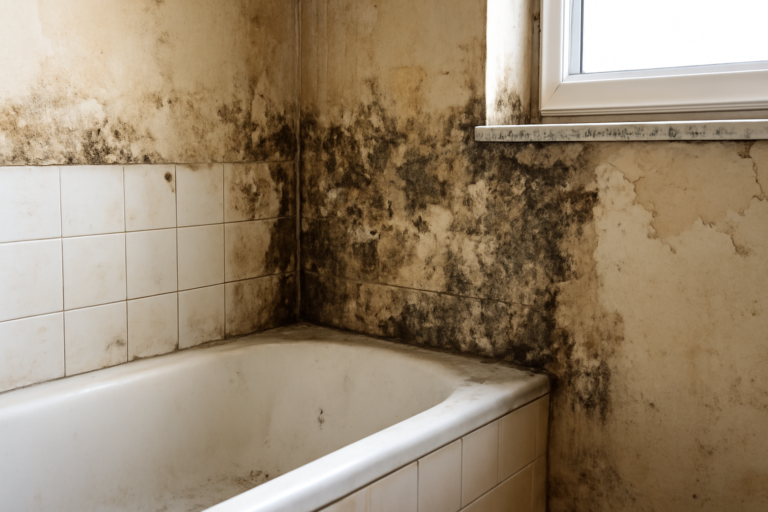
Any sighting of black, green, or white fuzzy growth on walls, ceilings, or other surfaces is a clear sign of mold. This often occurs in areas with prolonged moisture exposure, like those caused by a faulty sprinkler system, and needs prompt professional remediation.
Sprinkler System Water Damage Restoration vs. DIY: When To Call a Professional
| Situation | DIY? | Call a Pro? | Why |
|---|---|---|---|
| Minor surface water on hard floors | Yes | No | Easy to wipe up and dry, minimal risk of long-term damage. |
| Small, isolated wet spot on carpet | Maybe | Yes | Hidden water can spread quickly; professional extraction is more effective. |
| Sprinkler pipe burst inside a wall | No | Yes | Requires opening walls, specialized drying equipment, and mold prevention. |
| Waterlogged carpet and padding | No | Yes | Needs powerful extraction and thorough drying to prevent mold and structural issues. |
| Suspected mold growth due to leak | No | Yes | Mold can be hazardous; requires containment and professional remediation. |
| Leak affecting multiple rooms or floors | No | Yes | Indicates extensive damage requiring a coordinated, professional response. |
For anything beyond a minor spill, it’s usually best to call a professional. They have the equipment and expertise to handle the job efficiently and prevent future problems. Trying to manage significant water damage yourself can often lead to costlier repairs later.
Sprinkler System Water Damage Restoration Cost In College Park, GA
The cost of sprinkler system water damage restoration in College Park, GA, can vary widely. It depends on how much water was released, how long it sat, the size of the affected area, and the types of materials damaged. These figures are general estimates and a professional assessment is always needed for an accurate quote.
| Service | Typical Price Range | What Affects Cost |
|---|---|---|
| Emergency Water Extraction | $500 – $2,500 | Volume of water, accessibility of the area, and time required. |
| Structural Drying & Dehumidification | $1,500 – $7,000 | Size of affected space, saturation level, and duration of drying needed. |
| Moisture Monitoring & Testing | $200 – $800 | Frequency of checks and complexity of the affected structure. |
| Content Cleaning & Restoration | $300 – $3,000+ | Number of items, type of materials, and extent of damage to each item. |
| Mold Prevention Treatment | $400 – $1,500 | Size of the area treated and type of antimicrobial solution used. |
| Mold Remediation (if necessary) | $1,000 – $10,000+ | Severity of mold infestation, containment needs, and area affected. |
The best way to get a clear understanding of the costs for your specific situation is to schedule an on-site estimate with our team. We offer free, no-obligation assessments.
Service Areas Near College Park, GA
Atlanta, East Point, Hapeville, Forest Park, Riverdale, Jonesboro, Morrow, Decatur, Chamblee, Doraville, Norcross, Duluth, Suwanee, Johns Creek, Alpharetta, Roswell, Marietta, Smyrna, Kennesaw, Woodstock.
Common Questions About Sprinkler System Water Damage Restoration
What should I do immediately after discovering sprinkler system water damage?
First, try to shut off the water source if possible. Then, remove any standing water you can safely manage, and try to ventilate the area by opening windows and using fans. Document the damage with photos or videos for insurance purposes. It’s vital to call a professional restoration team right away to prevent further water absorption and potential mold growth.
How long does sprinkler system water damage restoration typically take?
The timeline varies greatly depending on the extent of the damage. Minor leaks might be resolved in 1-3 days, while more severe flooding affecting walls and subfloors could take 5-10 days or even longer. Our team uses advanced drying technology to speed up the process as much as possible.
Is sprinkler system water damage covered by homeowner’s insurance?
Generally, homeowner’s insurance covers damage caused by sudden, accidental bursts or leaks from sprinkler systems, especially if it’s a plumbing issue. However, damage from poor maintenance or gradual leaks might not be covered. It’s always best to check your specific policy and contact your insurance provider. We can help document the damage for your insurance claim processing.
Will sprinkler system water damage lead to mold?
Yes, it’s a significant risk. Mold can start to grow within 24-48 hours in damp conditions. If sprinkler water has saturated materials like drywall, carpet padding, or insulation, mold growth is highly probable if not dried properly and quickly. Our team employs preventative treatments and thorough drying to mitigate this risk.
What kind of equipment do you use for drying?
We utilize a range of professional-grade equipment, including truck-mounted water extractors for powerful suction, industrial-grade dehumidifiers (like LGR models) to remove moisture from the air, and high-velocity air movers to accelerate evaporation. We also use specialized moisture meters and thermal imaging cameras to ensure complete moisture removal from all affected building materials.
Check Our Other Relevant Services

Jerry Johns is a licensed Damage Restoration Expert with over 20 years of hands-on experience helping homeowners and businesses navigate property crises. As a trusted authority in the field, Jerry combines technical precision with a compassionate approach to disaster recovery.
𝗖𝗲𝗿𝘁𝗶𝗳𝗶𝗰𝗮𝘁𝗶𝗼𝗻𝘀: Jerry holds multiple elite IICRC certifications, including Water Damage Restoration (WRT), Applied Microbial Remediation (Mold), Applied Structural Drying (ASD), Odor Control, and Fire and Smoke Restoration.
𝗙𝗮𝘃𝗼𝗿𝗶𝘁𝗲 𝗣𝗮𝘀𝘁𝗶𝗺𝗲: When he isn’t on a job site, Jerry is an avid outdoorsman who enjoys fly fishing and restoring vintage woodworking tools.
𝗕𝗲𝘀𝘁 𝗣𝗮𝗿𝘁 𝗼𝗳 𝘁𝗵𝗲 𝗝𝗼𝗯: Jerry finds the most fulfillment in seeing the relief on a client’s face when their property is finally restored to its pre-loss condition, turning a stressful disaster into a fresh start.