Trusted by 165+ Homeowners
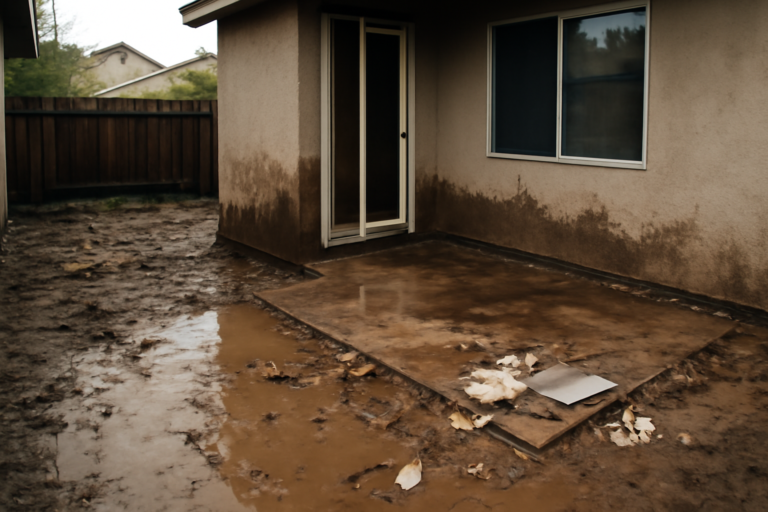
Storm Damage Restoration in College Park, GA
- Over 165 5-Star Reviews
- Free Estimates and Quotes
- 100% Satisfaction Guaranteed
- Child, Family & Pet Safe Steps
- 24-Hour Emergency Service
- Fully Licensed & Insured

When College Park, GA Weather Turns Rough: Your Storm Damage Restoration Guide
Did you know that a single severe thunderstorm can cause tens of thousands of dollars in damage to a home? It’s true. When violent winds, heavy rain, or hail hit your property, the damage isn’t always obvious at first. You might see a broken window, but there could be unseen structural issues or water infiltration happening right now. Understanding the immediate aftermath is key to protecting your investment. This is where professional Storm Damage Restoration becomes critical for homeowners right here in College Park, GA.
We’ve helped over 165 local families recover from storm damage, earning more than 165 five-star reviews. They choose us because we understand the unique challenges storms present in our area. You get more than just repairs; you get a team that navigates the complexities of storm damage with clear communication and proven methods. We’re here to make sure your home is safe and sound again.
- Immediate response to prevent further damage, like stopping leaks and securing compromised areas to avoid secondary problems.
- Expert assessment and documentation of all storm-related damage, which is crucial for a smooth insurance claim process.
- Specialized equipment and techniques to safely remove debris, dry out affected materials, and restore structural integrity after high winds or heavy rains.
How Storm Damage Restoration Actually Works
Dealing with storm damage can feel overwhelming, especially when you’re also thinking about insurance. That’s why our process is designed to be straightforward and transparent. We don’t just fix what you see; we address the root cause of the damage, preventing future issues. Cutting corners on storm damage can lead to mold growth, structural weakening, and costly repairs down the road. You need a methodical approach that prioritizes your home’s long-term safety and value. We’ll guide you through each phase.
1. Emergency Response and Damage Assessment
When you call us, our first priority is to get to your property quickly. We’ll conduct a thorough inspection, identifying all areas affected by the storm. This includes looking for roof damage, siding breaches, window impacts, and any water intrusion. We use specialized tools to detect moisture you can’t see. This initial assessment usually takes 1-2 hours, depending on the extent of the damage.
2. Securing Your Property
After identifying the damage, we’ll work to secure your home against further harm. This might involve boarding up broken windows, tarping damaged roofs, or setting up temporary supports. The goal is to prevent more water from entering and to keep your property safe for occupants. This step is critical and typically completed within a few hours of our arrival.
3. Water Extraction and Drying
If there’s been water intrusion, prompt extraction is vital. We use powerful pumps and commercial-grade dehumidifiers to remove standing water and dry out saturated materials like drywall, insulation, and flooring. This process can take anywhere from 24 hours to several days, depending on how much water is present and the type of materials affected. Proper drying is essential to prevent mold.
4. Debris Removal and Cleanup
Storms often leave behind significant debris, from fallen branches to damaged structural pieces. Our crews will safely remove all storm-related debris from your property. We also perform thorough cleaning of affected areas, removing mud, dirt, and any other contaminants left by the storm. This phase can take a day or two, depending on the volume of debris.
5. Structural Repairs and Restoration
Once everything is dry and clean, we move on to rebuilding. This involves repairing or replacing damaged structural elements, siding, roofing, windows, and any interior finishes that were compromised. We focus on restoring your home to its pre-storm condition, ensuring all repairs meet or exceed building codes. The timeline for this phase varies greatly, from a few days to several weeks, depending on the scope of the repairs.
Don’t wait for small issues to become big problems. Contact us immediately after a storm to start the restoration process and protect your home. We’re ready to help you navigate the damage.

Warning Signs You Need Storm Damage Restoration
Ignoring subtle signs of storm damage can lead to much bigger, more expensive problems later. Catching these issues early means less disruption and lower repair costs. Your home might be telling you it needs attention, even if the damage isn’t dramatic. Pay attention to these indicators after a storm passes.
Water Stains on Ceilings or Walls
These are clear indicators that water has found a way into your home, likely through roof or siding damage. Don’t ignore these spots, as they can signal active leaks.
Musty Odors That Won’t Go Away
Persistent damp, musty smells often mean hidden moisture is trapped within your walls or attic, creating a breeding ground for mold. This is a serious health concern.
Loose or Missing Shingles
After high winds, you might find shingles on your lawn. Even if you don’t see missing ones, check for loose or damaged shingles on the roof itself. This compromises your roof’s integrity.
Cracks or Dents in Siding or Gutters
Hail and wind can cause visible damage to your home’s exterior. Dents and cracks create entry points for water and pests, requiring prompt attention. Address exterior damage quickly.
Sagging Ceilings or Walls
This could indicate significant water saturation or structural compromise due to wind pressure. It’s a sign that the building’s framework may be weakened. This requires immediate professional assessment.
Electrical Issues or Flickering Lights
Water and electricity are a dangerous combination. If you notice any electrical problems after a storm, it could be due to water damage affecting wiring. Safety is paramount here.
Storm Damage Restoration vs. DIY: When To Call a Professional
| Situation | DIY? | Call a Pro? | Why |
|---|---|---|---|
| Minor roof leak with visible damage | No | Yes | Assessing roof integrity and making safe repairs requires expertise. |
| A few branches down in the yard | Yes | No | Basic cleanup of light debris is manageable for most homeowners. |
| Water pooling in the basement after heavy rain | Maybe | Yes | Proper water extraction and drying prevent mold and structural damage. |
| Broken window pane | Maybe | Yes | Securing the opening safely and preventing further weather intrusion is best left to pros. |
| Visible damage to siding or exterior walls | No | Yes | External damage needs professional assessment to ensure structural soundness and proper repair. |
| Musty odors or signs of mold growth | No | Yes | Mold remediation requires specialized knowledge and equipment for safe removal. |
For anything beyond minor, surface-level cleanup, calling a professional for Storm Damage Restoration is usually the smartest choice. DIY efforts can sometimes worsen the underlying issues or create new ones. You need specialized knowledge and equipment to properly address storm impacts.
Storm Damage Restoration Cost In College Park, GA
The cost of Storm Damage Restoration in College Park, GA, varies significantly. Factors like the severity of the storm, the size of your property, the type of damage, and the materials needed for repair all play a role. These price ranges are estimates and can fluctuate based on the specific circumstances of your situation.
| Service Aspect | Typical Price Range | What Affects Cost |
|---|---|---|
| Emergency Tarping and Board-Up | $500 – $1,500 | Size of area needing coverage, complexity of roof access. |
| Water Extraction and Structural Drying | $1,000 – $5,000+ | Volume of water, square footage affected, duration of drying process. |
| Roof Repair (Minor) | $800 – $3,000 | Number of shingles replaced, type of roofing material, accessibility. |
| Siding Repair or Replacement (Partial) | $1,000 – $4,000 | Square footage needing repair, type of siding material, extent of underlying damage. |
| Window Replacement (Per Window) | $400 – $1,200 | Size and type of window, frame material, complexity of installation. |
| Debris Removal | $300 – $2,000 | Volume and type of debris, accessibility for equipment. |
Getting an exact price requires a detailed on-site assessment. We offer free estimates so you know exactly what to expect before any work begins. Let us assess your storm damage.
Service Areas Near College Park, GA
Atlanta, East Point, Hapeville, Forest Park, Riverdale, Jonesboro, Morrow, Clayton, Lovejoy, Stockbridge, Tyrone, Fayetteville, Palmetto, Union City, Fairburn, Atlanta, Lithonia, Decatur, Scottdale, Avondale Estates
Common Questions About Storm Damage Restoration
What should I do immediately after a storm damages my home?
Your first step is to ensure your family’s safety. If there are immediate dangers like downed power lines or structural instability, evacuate the area. Then, document any visible damage with photos or videos from a safe distance. Contacting a professional restoration team is crucial next, as we can provide an expert assessment and begin securing your property to prevent further harm. We’ll guide you through the initial steps.
How long does storm damage restoration typically take?
The timeline for storm damage restoration varies greatly depending on the extent of the damage. Minor issues like a small roof leak might be resolved in a day or two. However, significant storm damage involving structural repairs, extensive water intrusion, and mold remediation can take weeks or even months. Our team works efficiently to complete the restoration process as quickly as possible while ensuring thoroughness.
Will my homeowner’s insurance cover storm damage restoration costs?
In most cases, homeowner’s insurance policies cover sudden and accidental storm damage, such as damage from wind, hail, or lightning. However, coverage details can vary, and policies often have deductibles. We have extensive experience working with insurance adjusters and can help you document the damage properly to facilitate your claim. We’ll help you understand what your policy covers.
What are the risks of not addressing storm damage promptly?
Not addressing storm damage promptly can lead to several serious problems. Water intrusion can cause structural weakening, rot, and mold growth, which poses health risks. Unrepaired roof or siding damage can allow pests to enter your home. Delaying repairs often results in significantly higher costs down the line as minor issues escalate. We can prevent these secondary damages.
How do you determine the extent of storm damage if it’s not visible?
Our technicians use advanced tools and techniques to detect hidden damage. This includes moisture meters to find waterlogged materials behind walls or under floors, thermal imaging cameras to identify temperature differences indicative of leaks or insulation gaps, and visual inspections for subtle signs of stress on the structure. This comprehensive assessment ensures we address all affected areas, even those you can’t see.
Check Our Other Relevant Services
- Free Water Damage Restoration Estimate in College Park, GA
- Bathroom Water Damage Restoration in College Park, GA

Jerry Johns is a licensed Damage Restoration Expert with over 20 years of hands-on experience helping homeowners and businesses navigate property crises. As a trusted authority in the field, Jerry combines technical precision with a compassionate approach to disaster recovery.
𝗖𝗲𝗿𝘁𝗶𝗳𝗶𝗰𝗮𝘁𝗶𝗼𝗻𝘀: Jerry holds multiple elite IICRC certifications, including Water Damage Restoration (WRT), Applied Microbial Remediation (Mold), Applied Structural Drying (ASD), Odor Control, and Fire and Smoke Restoration.
𝗙𝗮𝘃𝗼𝗿𝗶𝘁𝗲 𝗣𝗮𝘀𝘁𝗶𝗺𝗲: When he isn’t on a job site, Jerry is an avid outdoorsman who enjoys fly fishing and restoring vintage woodworking tools.
𝗕𝗲𝘀𝘁 𝗣𝗮𝗿𝘁 𝗼𝗳 𝘁𝗵𝗲 𝗝𝗼𝗯: Jerry finds the most fulfillment in seeing the relief on a client’s face when their property is finally restored to its pre-loss condition, turning a stressful disaster into a fresh start.