Trusted by 165+ Homeowners
Sprinkler System Water Damage Restoration in Lilburn, GA
- Over 165 5-Star Reviews
- Free Estimates and Quotes
- 100% Satisfaction Guaranteed
- Child, Family & Pet Safe Steps
- 24-Hour Emergency Service
- Fully Licensed & Insured

When Your Sprinkler System Becomes a Problem in Lilburn, GA
You step into your basement or crawl space, and there it is: water seeping from a faulty sprinkler line. The steady drip, drip, drip is a sound that instantly causes dread. Maybe you see small puddles forming, or worse, a damp, musty smell signals hidden moisture. Dealing with water damage from your own sprinkler system can feel overwhelming, especially when you’re not sure where it’s coming from or how bad it really is. This kind of unexpected water intrusion needs a fast, focused response to prevent deeper issues like mold growth and structural damage.
Homeowners right here in your neighborhood trust our team when their sprinkler systems cause trouble. We’ve earned over 165 five-star reviews by consistently providing effective, specialized restoration for this exact problem. You’ll see the difference our commitment to thoroughness makes, ensuring your property is properly dried and protected. We understand the urgency and the specific challenges sprinkler leaks present.
- We pinpoint the exact source of the leak, whether it’s a cracked pipe, a loose connection, or a faulty valve, to stop the water at its origin.
- Our specialized drying equipment is deployed strategically to remove every trace of moisture from affected materials, preventing long-term damage and mold.
- We focus on restoring the affected areas to their pre-loss condition, ensuring your home is safe, healthy, and free from the lingering effects of water intrusion.
How Sprinkler System Water Damage Restoration Actually Works
Restoring your home after a sprinkler system leak isn’t just about mopping up visible water. It’s a technical process that requires understanding how water penetrates materials and the precise methods needed to dry them completely. Cutting corners here can lead to serious, unseen problems down the road. Our crews follow a strict, science-based protocol to ensure thorough drying and prevent secondary damage, so you can feel confident your home is truly restored.
1. Immediate Water Extraction
The first crucial step is removing standing water as quickly as possible. We use powerful truck-mounted or portable extraction units to remove bulk water from floors, carpets, and subfloors. This prevents water from spreading further and saturating more materials, which can typically take a few hours depending on the amount of water.
2. Containment and Air Filtration
Once the bulk water is gone, we establish containment zones using barriers to prevent airborne moisture from spreading to unaffected areas. High-efficiency air scrubbers are then used to filter out contaminants and improve indoor air quality, a process that often runs continuously for several days.
3. Advanced Drying Techniques
This is where the real science comes in. We employ a variety of specialized drying equipment, including industrial-strength dehumidifiers and air movers. These machines work together to lower humidity levels and accelerate evaporation, gently drying out building materials like drywall, wood, and insulation. We monitor moisture content closely with advanced meters, often for several days, to ensure materials are dried to industry standards.
4. Controlled Dehumidification
Our technicians carefully manage the dehumidification process. They adjust equipment settings based on real-time readings and environmental conditions to optimize drying efficiency. This precise control is vital for preventing over-drying or leaving residual moisture, which can take anywhere from a few days to over a week.
5. Monitoring and Verification
Throughout the drying process, we conduct regular moisture readings to track progress. We use specialized meters to measure moisture levels in materials and the air. This verification ensures that all affected areas are dried to a safe, stable level, typically taking 3-7 days depending on the extent of the damage.
Don’t let a small sprinkler leak turn into a big problem. Call us now to get our team on-site and start the immediate drying process.

Warning Signs You Need Sprinkler System Water Damage Restoration
It’s easy to overlook small signs of water intrusion, but early detection is key. Catching these issues early can save you significant money and prevent the development of more serious problems like mold or structural compromise. Pay attention to what your home is telling you, and don’t ignore subtle changes.
Musty Odors That Won’t Go Away
A persistent damp, mildewy smell, especially in basements or crawl spaces, is a strong indicator of hidden moisture. This odor often means mold or mildew has already begun to grow on damp surfaces, requiring immediate professional attention.
Visible Water Stains or Discoloration
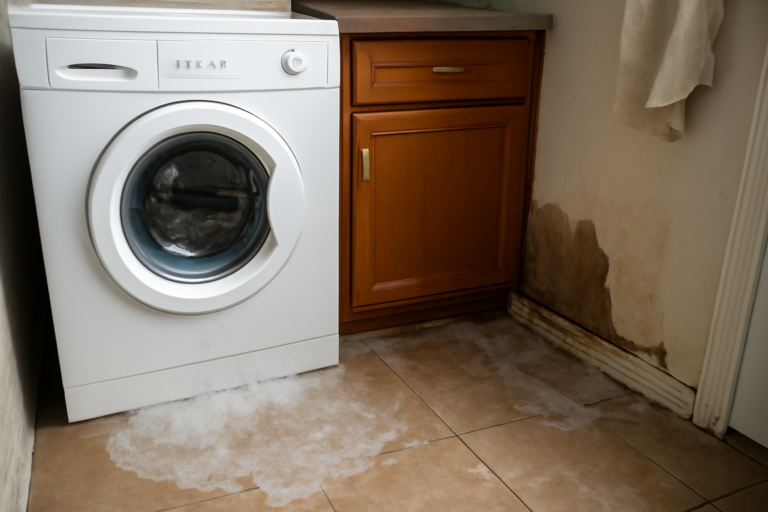
Look for water rings or discolored patches on ceilings, walls, or floors. These marks are clear evidence that water has been present, even if the area seems dry now. These stains signal a past or ongoing leak that needs investigation.
Peeling or Bubbling Paint and Wallpaper
Moisture trapped behind paint or wallpaper can cause it to blister, peel, or bubble. This is a visual cue that the material is becoming saturated, weakening its adhesion and potentially leading to further material damage.
Soft or Spongy Flooring Materials
If your carpet feels unusually soft or spongy underfoot, or if your wood or laminate flooring is warping or soft, it’s a sign of significant moisture absorption. This indicates that the subfloor may be compromised and requires thorough drying.
Increased Humidity Levels
A sudden increase in indoor humidity, even on dry days, can be caused by a hidden water source like a sprinkler leak. You might notice condensation on windows or a general feeling of dampness in the air, suggesting underlying moisture issues.
Unexplained Puddles or Damp Spots
The most obvious sign is, of course, visible puddles of water. Even small, unexplained damp spots on surfaces that should be dry are a clear signal that your sprinkler system may have sprung a leak and needs immediate assessment.
Sprinkler System Water Damage Restoration vs. DIY: When To Call a Professional
| Situation | DIY? | Call a Pro? | Why |
|---|---|---|---|
| Small, visible leak from an easily accessible sprinkler head outdoors. | Yes | No | You can likely tighten or replace a single head yourself. |
| Standing water in a basement or crawl space from an internal sprinkler line. | No | Yes | Bulk water removal requires specialized equipment for efficiency and safety. |
| Damp spots on drywall or ceiling tiles. | Maybe | Yes | Hidden moisture behind materials can lead to mold if not dried properly. |
| Musty odors present, but no visible water. | No | Yes | This indicates hidden mold growth that needs professional remediation. |
| Water has saturated carpets and padding. | No | Yes | Professional drying techniques are needed to save carpets and prevent subfloor damage. |
| Suspected leak in underground sprinkler lines causing yard saturation. | No | Yes | Locating and repairing underground leaks requires specialized tools and expertise. |
For any water damage that has spread beyond a very small, contained area, or if you suspect hidden moisture or mold, it’s always best to call a professional. Our team has the equipment and knowledge to handle complex drying scenarios effectively.
Sprinkler System Water Damage Restoration Cost In Lilburn, GA
The cost of sprinkler system water damage restoration in Lilburn, GA, can vary greatly. Factors such as the extent of the water damage, the size of the affected area, and the specific materials damaged all play a role. These figures are estimates, and an on-site inspection is always necessary for an accurate quote.
| Service | Typical Price Range | What Affects Cost |
|---|---|---|
| Water Extraction (Bulk Water Removal) | $500 – $2,000 | Amount of water, size of the area, and accessibility. |
| Structural Drying (Dehumidification & Air Moving) | $750 – $3,000+ | Duration of drying needed, number of units required, and materials being dried. |
| Moisture Monitoring and Assessment | $300 – $800 | Frequency of checks and complexity of the affected structure. |
| Containment and Air Filtration | $400 – $1,200 | Size of the containment zone and the type/number of air scrubbers used. |
| Mold Assessment (if necessary) | $300 – $1,000 | Scope of the suspected mold growth and the testing required. |
| Minor Material Removal (e.g., saturated drywall) | $200 – $700 per room | Amount of material needing removal and disposal. |
Getting a free, no-obligation estimate is the best way to understand the specific costs for your situation. We’ll provide a clear breakdown after assessing the damage to your property.
Service Areas Near Lilburn, GA
Snellville, Norcross, Tucker, Stone Mountain, Lawrenceville, Suwanee, Duluth, Chamblee, Atlanta, Decatur, Sandy Springs, Alpharetta, Johns Creek, Marietta, Roswell, Dunwoody, Buford, Stockbridge, Fayetteville, Peachtree City.
Common Questions About Sprinkler System Water Damage Restoration
What should I do immediately after discovering a sprinkler leak?
First, if possible and safe to do so, shut off the water supply to the sprinkler system to stop the flow. Then, try to remove any standing water using towels or a wet/dry vacuum if you have one. For any significant water intrusion, call our team immediately to prevent further damage and begin the professional drying process.
How long does the drying process typically take?
The drying process can vary significantly, but it generally takes between 3 to 7 days. This timeframe depends on the amount of water, the types of materials affected (e.g., drywall, wood, insulation), and the humidity levels in your home. Our technicians use advanced equipment to monitor progress and ensure complete drying.
Is sprinkler system water damage dangerous?
Yes, it can be. Standing water creates a breeding ground for mold and bacteria, which can pose health risks. Additionally, prolonged moisture can compromise the structural integrity of your home. Addressing the water promptly with professional drying methods is crucial for your health and safety.
Will my insurance cover sprinkler system water damage?
In many cases, yes, homeowner’s insurance policies cover damage caused by sudden and accidental water releases from internal plumbing, which includes sprinkler systems. However, coverage can depend on the specific policy and the cause of the leak. We can help document the damage for your claim, but you should contact your insurance provider directly to confirm your coverage.
How can I prevent future sprinkler system water damage?
Regular maintenance is key. Have your sprinkler system inspected annually by a professional to check for leaks, pressure issues, and proper function. Ensure outdoor lines are properly winterized if you live in an area with freezing temperatures. For indoor systems, be aware of any unusual sounds or dampness around pipes, and address concerns quickly.
Check Our Other Relevant Services

Jerry Johns is a licensed Damage Restoration Expert with over 20 years of hands-on experience helping homeowners and businesses navigate property crises. As a trusted authority in the field, Jerry combines technical precision with a compassionate approach to disaster recovery.
𝗖𝗲𝗿𝘁𝗶𝗳𝗶𝗰𝗮𝘁𝗶𝗼𝗻𝘀: Jerry holds multiple elite IICRC certifications, including Water Damage Restoration (WRT), Applied Microbial Remediation (Mold), Applied Structural Drying (ASD), Odor Control, and Fire and Smoke Restoration.
𝗙𝗮𝘃𝗼𝗿𝗶𝘁𝗲 𝗣𝗮𝘀𝘁𝗶𝗺𝗲: When he isn’t on a job site, Jerry is an avid outdoorsman who enjoys fly fishing and restoring vintage woodworking tools.
𝗕𝗲𝘀𝘁 𝗣𝗮𝗿𝘁 𝗼𝗳 𝘁𝗵𝗲 𝗝𝗼𝗯: Jerry finds the most fulfillment in seeing the relief on a client’s face when their property is finally restored to its pre-loss condition, turning a stressful disaster into a fresh start.