Trusted by 165+ Homeowners
Storm Damage Restoration in Duluth, GA
- Over 165 5-Star Reviews
- Free Estimates and Quotes
- 100% Satisfaction Guaranteed
- Child, Family & Pet Safe Steps
- 24-Hour Emergency Service
- Fully Licensed & Insured

When the Sky Opens Up: Expert Storm Damage Restoration in Duluth, GA
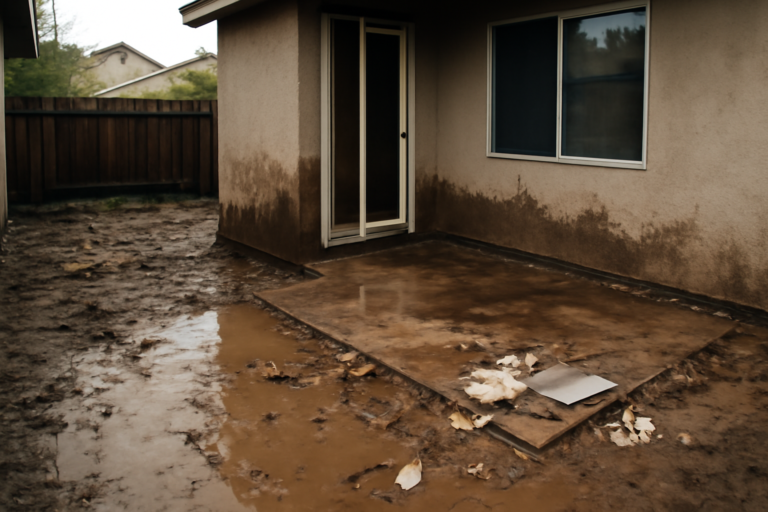
You walk into your living room after a fierce thunderstorm, and the smell hits you first – damp, musty, and wrong. Then you see it: a water stain spreading across your ceiling, or maybe a tree branch has punched a hole right through your roof. Immediate action is crucial when storm damage impacts your home. Ignoring these signs can lead to much larger structural issues down the line. We understand the stress this brings, and our goal is to help you navigate this difficult time with clear, expert guidance.
Homeowners around here have trusted us for over 165 five-star reviews because we tackle storm damage with precision and speed. We know your neighborhood and the specific challenges that come with severe weather in Georgia. When your property suffers from wind, rain, or hail, you need a team that responds quickly and effectively. We’re here to restore your home and your sense of normalcy, offering reliable storm recovery when you need it most.
- Rapid response to prevent further damage, minimizing water intrusion and structural compromise.
- Advanced drying technology that targets hidden moisture, preventing mold growth and secondary issues.
- Detailed structural assessments to ensure all storm-related weaknesses are identified and repaired.
How We Tackle Storm Damage Restoration
Storm damage isn’t just about visible leaks; it’s about unseen moisture and potential structural weaknesses that require a methodical approach. Cutting corners on storm damage restoration can lead to lingering problems like mold, rot, and compromised building integrity. Our systematic process is designed to address every facet of the damage. We use industry-standard protocols to ensure your home is not just dried, but truly restored to its pre-storm condition, providing long-lasting protection.
Initial Damage Assessment
Upon arrival, our trained technicians conduct a thorough inspection. We use specialized tools to identify the full extent of the damage, including areas you might not see. Accurate moisture readings are taken to understand where water has penetrated. This assessment guides our entire restoration plan and helps us provide a transparent estimate.
Water Extraction
If water has entered your home, quick extraction is paramount. We utilize powerful, truck-mounted extraction units to remove standing water efficiently. This step is critical to limit secondary damage and begin the drying process as soon as possible. We aim to remove the bulk of the water within the first 24 to 48 hours.
Structural Drying and Dehumidification
This is where the science comes in. We deploy industrial-grade air movers and dehumidifiers to systematically dry your property. These machines create controlled environments to pull moisture out of the air and building materials. Monitoring humidity levels is key to preventing mold and ensuring materials return to their normal moisture content.
Containment and Air Quality Control
To prevent cross-contamination and protect unaffected areas, we often set up containment barriers. This helps manage airflow and ensures that any airborne contaminants are captured. We also use air scrubbers with HEPA filters to remove dust and particles, promoting healthier indoor air during the restoration.
Reconstruction and Repair
Once drying is complete and verified, our crews begin the repair phase. This can involve anything from replacing drywall and insulation to repairing roofing and structural elements. Our goal is to return your home to its original condition, ensuring safety and structural integrity.
Don’t let storm damage linger. Call us today to get immediate professional help. We’re ready to dispatch our crews to your property without delay.

Warning Signs You Need Storm Damage Restoration
Catching storm damage early makes a significant difference in the cost and complexity of repairs. Ignoring subtle signs can allow small issues to escalate into major structural problems. Understanding what to look for is your first line of defense. We’re here to help you spot these issues and take swift, decisive action.
Musty Odors That Won’t Go Away
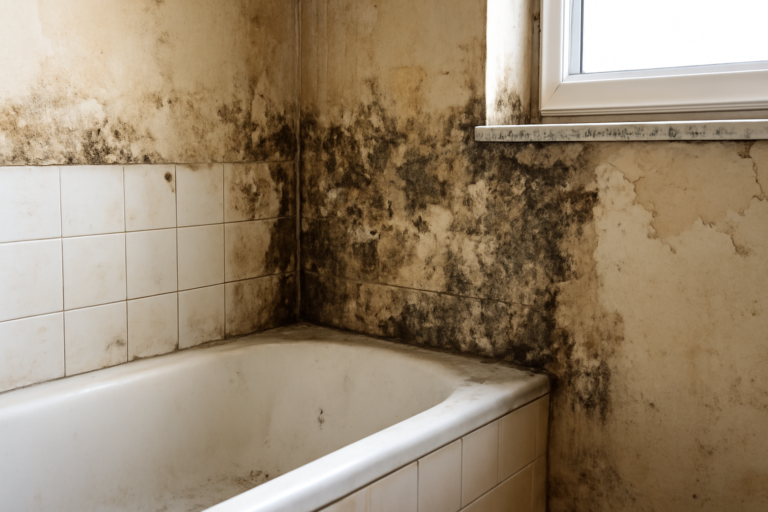
A persistent damp or musty smell, especially in basements, attics, or closets, is a strong indicator of hidden moisture. This indicates that water may have seeped into walls or under floors, creating an environment for mold and mildew growth.
New Water Stains or Discoloration
Look for new brown or yellowish spots on your ceilings, walls, or even around window frames. These stains are clear evidence of water intrusion, often from a leaky roof, damaged gutters, or compromised seals. Prompt attention is vital to prevent further saturation.
Peeling or Bubbling Paint and Wallpaper
When moisture gets behind paint or wallpaper, it causes the adhesive to fail. You might notice the surface starting to peel away from the wall or develop unsightly bubbles. This is a visual cue that water damage is present and needs professional assessment.
Sagging Ceilings or Walls
A visibly sagging ceiling or wall is a serious warning sign. It indicates that water has saturated the building materials, compromising their structural integrity. This requires immediate professional intervention to prevent collapse.
Damaged Roofing or Siding
After a storm, inspect your roof for missing shingles, loose tiles, or punctures. Check your siding for cracks, holes, or sections that have pulled away. These breaches are direct entry points for water, leading to significant interior damage if not addressed.
Electrical Issues or Flickering Lights
Water and electricity are a dangerous combination. If you notice lights flickering, outlets not working, or experience tripped breakers after a storm, it could be due to water affecting your electrical system. This is a critical safety hazard that needs immediate professional review.
Storm Damage Restoration vs. DIY: When To Call a Professional
| Situation | DIY? | Call a Pro? | Why |
|---|---|---|---|
| Minor surface water on hard floors (tile, concrete) | Yes, with caution | Maybe | Small spills can often be cleaned up quickly, but check for subfloor damage. |
| Leaky roof after a storm | No | Yes | Roof repairs require specialized equipment and safety knowledge to prevent further injury or damage. |
| Visible mold growth (more than a small spot) | No | Yes | Mold can spread rapidly and pose serious health risks; professional containment is needed. |
| Water-damaged drywall or insulation | No | Yes | These materials absorb water easily and require professional drying and potential replacement to prevent rot and mold. |
| Tree branch through the roof or wall | No | Yes | This is a significant structural compromise requiring immediate professional assessment and repair. |
| Persistent musty odors or high humidity | No | Yes | Hidden moisture is likely present, requiring advanced drying equipment and expertise to locate and eliminate. |
For anything beyond minor, easily dried spills on non-porous surfaces, calling a professional is the safest and most effective route. Protecting your home’s structure and your family’s health is paramount. We provide the expertise and equipment to handle storm damage properly, ensuring a complete and safe restoration.
Storm Damage Restoration Cost In Duluth, GA
The cost of storm damage restoration varies widely depending on the extent of the damage, the size of the affected area, and the specific materials that need repair or replacement. These price ranges are estimates for the Duluth, GA area. A detailed on-site assessment is always necessary for an accurate quote.
| Service | Typical Price Range | What Affects Cost |
|---|---|---|
| Initial Inspection and Assessment | $300 – $800 | Complexity of damage, need for specialized equipment like thermal cameras. |
| Water Extraction (per room) | $500 – $1,500 | Amount of standing water, type of flooring, accessibility. |
| Structural Drying (per room/area) | $700 – $2,000 | Size of the space, saturation level, duration of drying needed. |
| Dehumidifier and Air Mover Rental | $200 – $600 (per unit, per day) | Number of units required, length of time needed for complete drying. |
| Mold Remediation (if necessary) | $1,000 – $5,000+ | Severity of mold growth, containment procedures, and extent of affected materials. |
| Drywall and Insulation Replacement | $500 – $2,000 (per room) | Square footage, type of drywall, complexity of repair. |
| Minor Roof or Siding Repair | $500 – $3,000 | Type of material, accessibility, and size of the damaged area. |
These figures provide a general idea, but the true cost is determined after our technicians assess your specific situation. We offer free, no-obligation estimates to help you understand the investment needed for your home’s recovery. Contact us now for your assessment.
Service Areas Near Duluth, GA
Alpharetta, Suwanee, Norcross, Lilburn, John’s Creek, Lawrenceville, Snellville, Tucker, Chamblee, Dunwoody, Sandy Springs, Atlanta, Marietta, Roswell, Buford, Cumming, Canton, Woodstock, Kennesaw, Cartersville
Common Questions About Storm Damage Restoration
What’s the first thing I should do after discovering storm damage?
The very first step is to ensure your safety. If there’s any risk of electrical shock or structural collapse, evacuate the area immediately. Then, document the damage with photos or videos before attempting any cleanup. Calling a professional restoration team like ours as soon as possible helps prevent further deterioration and ensures the damage is handled correctly.
How long does storm damage restoration typically take?
The timeline can vary significantly, from a few days for minor issues to several weeks for extensive damage. Factors include the severity of the storm, the amount of water intrusion, and the extent of structural repairs needed. Our goal is to work efficiently while ensuring a thorough restoration, providing you with a realistic timeline after our initial assessment.
Is storm damage restoration covered by homeowners insurance?
In most cases, homeowners insurance policies cover damage caused by sudden and accidental events like storms, provided you have the appropriate coverage. It’s essential to review your policy and contact your insurance provider promptly. We work with insurance adjusters to streamline the claims process and ensure all necessary work is approved.
What kind of equipment do you use for drying?
We utilize advanced drying equipment, including high-speed air movers to circulate air and specialized dehumidifiers to remove moisture from the environment. We also employ moisture meters and thermal imaging cameras to detect hidden water and ensure that all affected materials are dried to safe levels. This scientific approach is key to preventing mold and secondary damage.
How can I prevent mold after storm damage?
The best prevention is rapid and thorough drying. Prompt water extraction and sustained use of industrial drying equipment are crucial. We also implement containment strategies and air filtration to manage airborne mold spores. Our expertise in moisture control is your best defense against mold growth following storm damage.
Check Our Other Relevant Services
- Church Water Damage Restoration in Duluth, GA
- Downspout Failure Water Damage Restoration in Duluth, GA
Serving Duluth, GA And Nearby Areas