Trusted by 165+ Homeowners
Structural Drying Services in Lilburn, GA
- Over 165 5-Star Reviews
- Free Estimates and Quotes
- 100% Satisfaction Guaranteed
- Child, Family & Pet Safe Steps
- 24-Hour Emergency Service
- Fully Licensed & Insured

When Water Invades Your Walls: Expert Structural Drying in Lilburn, GA
We’ve seen it all around here. From burst pipes in older homes on hot summer days to unexpected roof leaks after a big storm, water damage happens. It doesn’t matter if you’re in a historic bungalow or a newer build; when water gets into the bones of your property, it’s a serious problem. Our team has spent years mastering the science of structural drying, ensuring that the hidden moisture causing damage is found and removed effectively. We understand how unsettling it is to have water infiltrate your home’s structure, and we’re here to tackle it head-on.
Homeowners in the area trust us because we consistently deliver results. We’ve earned over 165 five-star reviews by focusing on what truly matters: getting your property dry, safe, and back to normal as quickly as possible. When you’re dealing with water that’s seeped beyond the surface, you need a team that knows exactly what to do. We’re committed to providing that certainty when you need it most, especially for tough structural drying jobs.
- We use advanced moisture meters and thermal imaging to pinpoint hidden water pockets deep within walls, floors, and ceilings, ensuring no dampness is left behind to cause future issues.
- Our process is designed to prevent secondary damage like mold growth and structural rot, safeguarding your investment and your family’s health by removing moisture before it can fester.
- We handle the complex science of drying, managing equipment and monitoring humidity levels precisely to restore your home’s structural integrity without causing additional harm.
The Science Behind Getting Your Home Dry: Our Structural Drying Process
Structural drying isn’t just about running a few fans; it’s a meticulous, scientific process. It requires specialized equipment and a deep understanding of how moisture moves through different building materials. When water penetrates your structure, it can linger for weeks or even months, creating a breeding ground for mold and compromising the very integrity of your home. We follow a proven, step-by-step method to ensure thorough drying, preventing the costly and unhealthy consequences of incomplete water removal. It’s about more than just surface dryness; it’s about restoring your property’s deep-down safety.
1. Initial Inspection and Assessment
Our process begins with a thorough inspection to identify the full extent of water intrusion and moisture saturation. We use specialized tools like infrared cameras and moisture meters to detect water hidden behind walls and under floors. This critical first step helps us develop a targeted drying plan and estimate the necessary equipment.
2. Water Extraction
Once we’ve assessed the situation, our crews work quickly to remove as much standing water as possible. We utilize powerful extraction equipment to prevent further saturation and begin the drying process. This step is crucial for minimizing long-term damage.
3. Setting Up Drying Equipment
This is where the specialized work of structural drying truly begins. We strategically place industrial-grade dehumidifiers, air movers, and specialized drying equipment throughout your property. The goal is to control the humidity and accelerate evaporation from saturated materials.
4. Monitoring and Adjustment
Our technicians don’t just set it and forget it. We continuously monitor moisture levels and temperature using advanced equipment. We’ll adjust the equipment placement and settings as needed to ensure efficient drying and prevent over-drying or damage to materials.
5. Final Inspection and Documentation
Before we consider the job done, we conduct a final inspection to confirm that all affected materials have reached safe, dry standards. We provide thorough documentation of the drying process, which can be invaluable for insurance claims. This ensures complete moisture removal and your long-term confidence.
Don’t let hidden moisture cause lasting problems. Contact us today to start the professional structural drying process for your property. We’re ready to begin the assessment and restore your home’s safety.

Signs Your Home Needs Structural Drying Attention
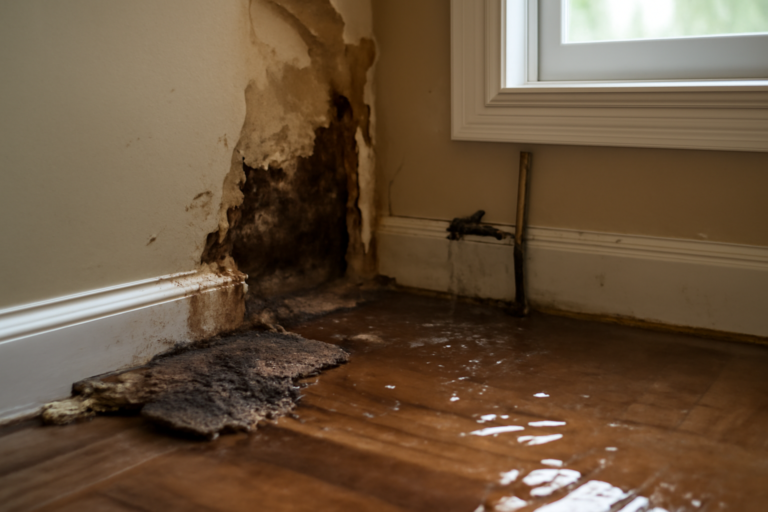
Sometimes, water damage isn’t obvious. You might see a small spot on the ceiling, but the real damage could be happening inside your walls. Catching these signs early is key to avoiding more extensive repairs and potential health hazards. Ignoring subtle indicators can lead to serious structural issues and mold growth down the line. We help homeowners in Lilburn, GA, identify these often-overlooked problems.
Musty Odors That Won’t Go Away
A persistent, musty smell, especially in closets or basements, is often a sign of mold or mildew growth fueled by hidden moisture. This indicates that water has likely penetrated materials and needs immediate attention.
Warped or Sagging Walls and Ceilings
When drywall or plaster begins to warp, bubble, or sag, it’s a clear sign that the underlying materials are saturated and losing their integrity. This is a critical warning that structural support is compromised.
Peeling or Bubbling Paint and Wallpaper
Water trapped behind paint or wallpaper causes them to lose adhesion and begin to peel or bubble. This visual cue suggests that moisture is actively damaging the surface layers.
Stains or Discoloration
Water stains, often appearing as brown or yellow spots on walls or ceilings, are direct evidence of water intrusion. These marks mean that water has saturated and potentially damaged the material beneath.
Increased Humidity Levels
If your home feels unusually damp or humid, even when the air conditioning is running, there might be an unseen source of moisture. This elevated humidity can lead to mold proliferation and damage to wood.
Soft Spots on Floors
Flooring that feels soft, spongy, or gives way slightly when you walk on it indicates saturation and potential rot in the subfloor. This is a serious sign that structural components are weakening.
Structural Drying Services vs. DIY: When To Call a Professional
| Situation | DIY? | Call a Pro? | Why |
|---|---|---|---|
| Minor spill on hard flooring (e.g., tile, linoleum) | Yes | No | Easy to wipe up and dry with fans. |
| Small, contained leak from a pipe inside a cabinet | Maybe | Yes | Hidden water can spread quickly; professional tools are needed to ensure thorough drying. |
| Water damage affecting drywall or plaster | No | Yes | These materials absorb water readily and require specialized drying to prevent mold and structural compromise. |
| Saturated carpet and padding after a minor flood | Maybe | Yes | While some carpet can be dried, professional equipment is needed to extract deep moisture and prevent mold. |
| Water intrusion into wall cavities, subfloors, or crawl spaces | No | Yes | Hidden moisture in these areas is a primary cause of mold and structural failure. |
| Persistent musty odors after a water event | No | Yes | Odors usually indicate hidden mold growth that requires professional remediation and drying. |
While minor spills can often be handled with household fans, anything more significant or that involves porous materials requires professional intervention. For true structural drying, relying on DIY methods is risky and can lead to much larger problems down the road. We ensure your property is dried correctly the first time.
Structural Drying Services Cost In Lilburn, GA
The cost of structural drying in Lilburn, GA, can vary significantly based on the extent of water damage, the size of the affected area, and the specific building materials involved. These price ranges are estimates to give you a general idea of what to expect for professional structural drying services. Our team provides transparent pricing after an on-site assessment.
| Service Aspect | Typical Price Range | What Affects Cost |
|---|---|---|
| Initial Inspection and Moisture Assessment | $300 – $800 | Complexity of the intrusion, use of advanced diagnostic tools. |
| Water Extraction for Small Areas | $500 – $1,500 | Volume of water, accessibility of the area. |
| Dehumidifier and Air Mover Rental (per day/week) | $75 – $200 per day | Number of units required, duration of drying. |
| Drying of Wall Cavities or Structural Components | $1,000 – $5,000+ | Severity of saturation, amount of material affected, complexity of access. |
| Subfloor Drying | $1,500 – $7,000+ | Area size, type of flooring above, depth of saturation. |
| Professional Monitoring and Management | $500 – $2,000+ | Frequency of visits, complexity of the drying environment, duration. |
These figures are meant to provide a general understanding. A precise quote for your specific situation will be provided after our team conducts a thorough on-site evaluation. We offer free, no-obligation estimates to help you understand the scope and cost.
Service Areas Near Lilburn, GA
Tucker, Stone Mountain, Snellville, Norcross, Chamblee, Doraville, Brookhaven, Atlanta, Decatur, Duluth, Lawrenceville, Suwanee, Johns Creek, Sandy Springs, Roswell, Marietta, Kennesaw, Acworth, Cartersville, Canton.
Common Questions About Structural Drying Services
What’s the difference between regular water damage cleanup and structural drying?
Regular water damage cleanup typically involves removing visible water and drying surfaces. Structural drying goes much deeper, using specialized equipment to remove moisture from within walls, floors, and framing. Our team focuses on preventing long-term issues like mold and rot.
How long does structural drying usually take?
The drying process can take anywhere from a few days to several weeks, depending on the severity of the water intrusion, the types of materials affected, and ambient humidity. We monitor progress closely to ensure efficient moisture removal and restore your home safely.
Will my homeowner’s insurance cover structural drying services?
In most cases, homeowner’s insurance policies cover structural drying if the water damage is from a covered peril, like a burst pipe or storm damage. We work with insurance adjusters to provide detailed documentation and streamline the claims process for you.
Can I dry out my house myself after a pipe burst?
For minor surface-level water, you might be able to use fans and dehumidifiers. However, when water gets into the structure of your home, it requires professional equipment and expertise to ensure all moisture is removed. Our team uses advanced drying technology to ensure complete dryness.
What are the health risks of not properly drying a structure?
Inadequate drying creates an ideal environment for mold and mildew growth, which can cause respiratory problems, allergic reactions, and other health issues. It can also lead to the deterioration of building materials. We prioritize your family’s health and your home’s integrity by removing moisture effectively.
Check Our Other Relevant Services
Serving Lilburn, GA And Nearby Areas