Trusted by 165+ Homeowners
Subfloor Water Damage Repair in Hampton, GA
- Over 165 5-Star Reviews
- Free Estimates and Quotes
- 100% Satisfaction Guaranteed
- Child, Family & Pet Safe Steps
- 24-Hour Emergency Service
- Fully Licensed & Insured

When Water Hides Below Your Floors: Subfloor Water Damage Repair in Hampton, GA
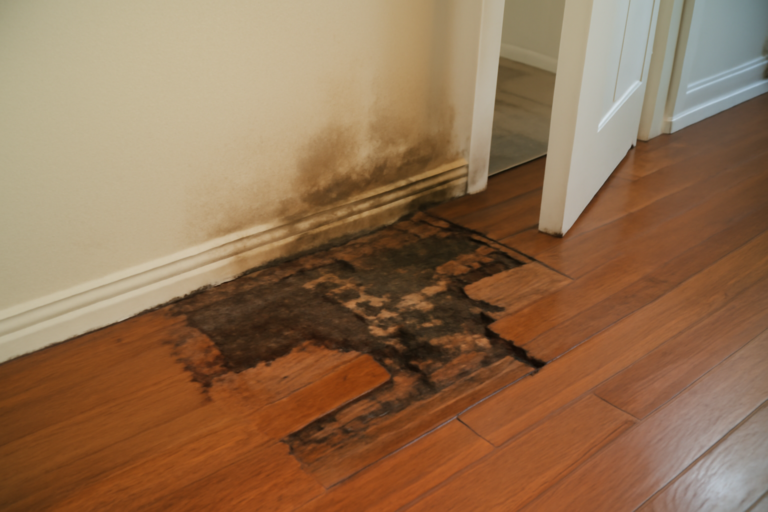
Did you know that up to 40% of water damage claims involve hidden moisture, often starting in the subfloor? This insidious problem can spread unseen for weeks. If you’re noticing strange smells, soft spots in your flooring, or even warped baseboards, you might have a subfloor water damage issue right here in Hampton, GA. Addressing this hidden threat is crucial to prevent more costly structural damage and mold growth. Ignoring subfloor leaks can lead to serious problems down the road.
Homeowners around here trust our team because we tackle these tough, hidden water problems with precision. We’ve earned over 165 five-star reviews by consistently delivering reliable results for challenging situations. You can count on our local crews to thoroughly diagnose and repair your subfloor water damage. We understand the urgency of these repairs.
- We focus on complete moisture extraction from beneath your floors, using specialized equipment to reach areas standard drying methods can’t.
- Our detailed approach includes thorough mold prevention and remediation protocols specifically for subfloor environments, protecting your home’s health.
- We provide comprehensive documentation for insurance claims, making the claims process smoother for you by clearly outlining the extent of the subfloor damage.
How We Tackle Subfloor Water Damage Repair
A proper subfloor water damage repair process is more than just drying. It involves careful inspection, precise water extraction, and targeted drying techniques to ensure no moisture remains trapped. Cutting corners here means you’ll likely face recurring issues, mold, and further structural compromise. Our methodical approach prevents these secondary problems. We follow a proven system to give you the best outcome. You can trust our proven methods.
1. Initial Inspection and Assessment
We start with a detailed inspection using moisture meters and infrared cameras to pinpoint exactly where the water is and how far it has spread beneath your flooring. This allows us to accurately map the damage. This critical first step typically takes a few hours, depending on the complexity.
2. Water Extraction
Once we understand the scope, we use powerful, specialized pumps and vacuums designed to remove standing water from crawl spaces and the subfloor itself. Efficient water removal is key. This phase can take anywhere from a few hours to a full day, depending on the volume of water.
3. Dehumidification and Air Movement
We place industrial-grade dehumidifiers and air movers strategically around and, if possible, beneath the affected subfloor area. This creates an environment that actively draws out trapped moisture. Targeted drying techniques are essential. This process can take several days, often 2-5 days, to reach acceptable drying goals.
4. Mold Prevention and Treatment
Since subfloors are prone to mold, we apply EPA-registered antimicrobial treatments to prevent mold growth in damp areas. Proactive mold control safeguards your indoor air quality. This step usually happens concurrently with drying or immediately after.
5. Subfloor Repair and Restoration
Depending on the damage, we may need to repair or replace sections of the subfloor. We then ensure the area is clean and ready for your flooring to be reinstalled. Restoring structural integrity is our final goal. This final phase varies significantly based on the repair needed, from a day to several days.
Don’t let hidden water cause lasting damage. Take action now to protect your home. Schedule your inspection today.

Warning Signs You Need Subfloor Water Damage Repair
Catching subfloor water damage early saves you significant money and hassle. These hidden issues often announce themselves before becoming major structural problems. Early detection is vital for preventing widespread damage. Understanding these signs helps you protect your investment.
Musty Odors That Won’t Go Away
A persistent damp, musty smell, especially near floors or walls, is a strong indicator of moisture trapped beneath your flooring. Unpleasant odors signal trouble. This is often the first sign homeowners notice.
Soft or Spongy Flooring
If your carpet feels unusually soft or your laminate or vinyl flooring feels spongy underfoot, the subfloor beneath may be saturated. Soft spots are a clear warning. This indicates compromised structural support.
Warped or Buckled Flooring
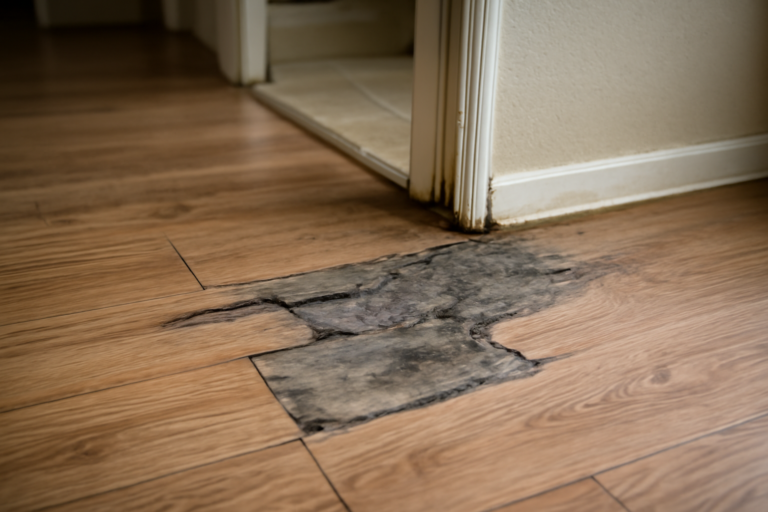
Visible warping, buckling, or lifting of your flooring material is a direct sign that moisture is affecting the subfloor. Visible damage needs attention. This often means the subfloor has absorbed too much moisture.
Stains or Discoloration on Flooring
Water stains or dark discoloration showing through your flooring, especially around edges or seams, suggests water is present underneath. Stains indicate water intrusion. This is a visual cue of a developing problem.
Peeling or Damaged Baseboards
If your baseboards are starting to peel away from the wall or show signs of water damage, it can mean moisture is wicking up from the subfloor. Baseboard issues can point below. This often happens as wood absorbs moisture and expands.
Increased Humidity Levels
An unexplained rise in indoor humidity, even with your HVAC system running, could be due to a large amount of moisture evaporating from the subfloor into your home. High humidity is a hidden clue. This can create an unhealthy environment.
Subfloor Water Damage Repair vs. DIY: When To Call a Professional
| Situation | DIY? | Call a Pro? | Why |
|---|---|---|---|
| Minor spill on hard surface flooring | Yes | Maybe | If it’s a tiny amount and dried immediately, you might be fine. |
| Standing water in a crawl space | No | Yes | Requires specialized equipment and safety protocols to remove effectively. |
| Musty smell but no visible water | No | Yes | Hidden moisture needs professional detection and drying equipment. |
| Soft spots in carpet or flooring | No | Yes | Indicates subfloor saturation and potential structural damage. |
| Visible mold growth on subfloor | No | Yes | Requires containment and specialized cleaning to prevent spore spread. |
| Warped or buckled flooring | No | Yes | This means the subfloor is compromised and needs professional assessment. |
While small, fresh spills might be manageable, any situation involving standing water, persistent odors, or visible damage to your flooring or subfloor absolutely warrants professional attention. DIY attempts on hidden water often fail to fully dry the structure, leading to bigger problems. Professional intervention ensures thorough drying.
Subfloor Water Damage Repair Cost In Hampton, GA
The cost of subfloor water damage repair in Hampton, GA, can vary widely. Factors like the size of the affected area, the severity of the water damage, and the type of flooring you have all play a role. Understanding repair costs helps you budget effectively. These are general estimates; an on-site inspection provides the most accurate pricing.
| Service | Typical Price Range | What Affects Cost |
|---|---|---|
| Moisture Detection & Assessment | $300 – $800 | Complexity of the area, use of advanced tools like thermal cameras. |
| Water Extraction (Subfloor) | $500 – $2,500 | Volume of water, accessibility of the subfloor (e.g., crawl space vs. slab). |
| Subfloor Drying (Industrial Equipment) | $1,000 – $4,000 | Duration needed for drying, size of the affected area, number of machines required. |
| Mold Prevention Treatment | $400 – $1,200 | Size of the area treated, type of antimicrobial solution used. |
| Subfloor Repair/Replacement (Partial) | $750 – $3,000+ | Square footage needing repair, material costs, labor involved. |
| Full Service Assessment & Repair | $2,000 – $7,000+ | Combines all necessary steps, complexity of the overall job. |
The final cost depends entirely on the specific needs of your property. We offer free estimates to give you a clear picture before any work begins. Get a transparent quote for your subfloor water damage repair.
Service Areas Near Hampton, GA
Locally, our crews serve Hampton, GA, and surrounding communities including Jonesboro, Lovejoy, Stockbridge, Locust Grove, McDonough, Fayetteville, Tyrone, Riverdale, Forest Park, Morrow, Ellenwood, Conley, Rex, Lake Spivey, Clayton, Hampton, Locust Grove, Jackson, Griffin, and Woolsey.
Common Questions About Subfloor Water Damage Repair
My insurance company is questioning my claim for subfloor water damage. What should I do?
Insurance claims for hidden water damage can be complex. It’s important to have detailed documentation of the damage and the drying process. Our team works with insurance adjusters to provide clear reports, photos, and drying logs. We help ensure you receive the coverage you’re entitled to for subfloor water damage repairs.
How quickly does subfloor water damage need to be addressed?
Subfloor water damage should be addressed immediately, ideally within 24-48 hours. The longer moisture sits beneath your floors, the more it can compromise the subfloor’s integrity, promote mold growth, and affect indoor air quality. Swift action prevents secondary damage. We prioritize rapid response for urgent subfloor water issues.
What are the health risks associated with subfloor water damage?
The primary health risk is mold growth. Mold thrives in damp, dark environments like subfloors and can release spores into your home’s air, potentially causing respiratory problems, allergies, and other health issues. Protecting your family’s health is paramount. We conduct thorough mold assessments and treatments during our subfloor repair process.
How long does the subfloor drying process typically take?
The drying process for subfloors can take anywhere from 2 to 7 days, sometimes longer, depending on the extent of saturation and environmental factors. We use specialized equipment like LGR dehumidifiers and high-velocity air movers to expedite this. Thorough drying is non-negotiable. We monitor humidity levels closely until the structure is completely dry.
Can I prevent subfloor water damage in the future?
Preventing future subfloor water damage involves regular maintenance. This includes checking plumbing for leaks, ensuring proper drainage around your home’s foundation, and promptly addressing any spills or known water intrusion points. Proactive home maintenance is key. We can also advise on specific preventative measures during our visits.
Check Our Other Relevant Services
Serving Hampton, GA And Nearby Areas