Trusted by 165+ Homeowners
Subfloor Water Damage Repair in Milton, GA
- Over 165 5-Star Reviews
- Free Estimates and Quotes
- 100% Satisfaction Guaranteed
- Child, Family & Pet Safe Steps
- 24-Hour Emergency Service
- Fully Licensed & Insured

When Water Lurks Beneath Your Floors in Milton, GA
Did you know that nearly 90% of all water damage claims involve hidden moisture? That’s a staggering number, and often, the first place this hidden water causes trouble is right beneath your finished floors, in the subfloor. For homeowners in Milton, GA, this can be a silent, creeping problem that, if left unaddressed, leads to serious structural issues and costly repairs. Understanding the signs and acting fast is your best defense against extensive damage.
We’ve earned the trust of over 165 local homeowners who’ve left us five-star reviews. They choose us for Subfloor Water Damage Repair because we’re direct, honest, and get the job done right. You want a team that understands the specifics of this type of damage and knows how to navigate the complexities of insurance claims. We’re that team, ready to help your property recover.
- We specialize in drying and restoring subfloors, preventing mold growth and structural compromise that can affect your entire home.
- Our team works directly with your insurance provider to document the damage thoroughly, making the claims process smoother for you.
- We use advanced drying technology designed specifically for enclosed spaces, ensuring complete moisture removal that you can’t achieve yourself.
How Subfloor Water Damage Repair Actually Works
Dealing with subfloor water damage requires a systematic approach. It’s not enough to just remove the visible water; you have to address the moisture trapped within the subfloor materials and the air. Cutting corners here can lead to lingering dampness, creating a breeding ground for mold and weakening the very foundation of your home. Our process focuses on complete extraction, drying, and remediation to restore your property safely and effectively.
Initial Inspection and Assessment
This is where we determine the extent of the water intrusion. We’ll use moisture meters and thermal imaging cameras to pinpoint exactly where the water is and how deep it’s penetrated the subfloor. This assessment is crucial for creating a targeted drying plan and documenting everything for your insurance company. This step usually takes a few hours.
Water Extraction
Once we know the scope, we’ll begin removing standing water. We use powerful, truck-mounted extraction units and specialized pumps to pull out as much water as possible. Getting this water out quickly is essential to minimize further damage and prevent long-term issues. This can take anywhere from a few hours to a full day, depending on the volume of water.
Structural Drying and Dehumidification
This is a critical phase often overlooked by DIY attempts. We set up industrial-grade air movers and dehumidifiers specifically positioned to target the subfloor and surrounding cavities. These machines work tirelessly to pull moisture out of the wood and air, bringing humidity levels down to safe, dry standards. This process can take several days, sometimes up to a week or more, depending on the severity.
Mold Prevention and Remediation
If water has been present for any length of time, mold can start to grow. We’ll inspect for any signs of mold and apply EPA-approved antimicrobial treatments to prevent its spread. If mold is found, we have the expertise and equipment to safely remove it, protecting your family’s health. This step is usually completed within a day or two after drying is finished.
Reconstruction and Repair
After the subfloor is completely dry and any mold is handled, we can begin the process of putting your home back together. This might involve replacing damaged subfloor sections, reinstalling flooring, and ensuring everything is returned to its pre-loss condition. We focus on quality craftsmanship to make sure the repair is as good as, if not better than, it was before.
If you suspect water damage under your floors, don’t wait. Act now to prevent further damage and secure your home’s integrity. Let our team handle the complexities and restore your property with confidence.

Warning Signs You Need Subfloor Water Damage Repair
Catching subfloor water damage early is key to minimizing costs and preventing more serious problems like structural rot or widespread mold. Many homeowners don’t realize the extent of the issue until it’s quite advanced. Paying attention to these subtle clues can save you a significant amount of trouble down the line.
Musty Odors That Won’t Go Away
A persistent, damp, or musty smell, especially when you’re near the floor, is a strong indicator of hidden moisture. This odor is often caused by mold or mildew growing in the dark, damp environment beneath your flooring. Don’t just mask the smell; investigate the source.
Buckling or Warped Flooring
If your hardwood, laminate, or even carpeted floors start to look uneven, buckle upwards, or feel soft underfoot, it’s a clear sign that moisture is affecting the subfloor. The wood in the subfloor absorbs water and expands, pushing the flooring material out of place. This is a very common symptom.
Soft Spots or Spongy Feel Underfoot
When you walk across a particular area of your floor and it feels unusually soft or spongy, water has likely saturated the subfloor material. This compromised subfloor can no longer provide the solid support you expect. It’s a sign of significant moisture intrusion.
Stains or Discoloration on Floors or Walls
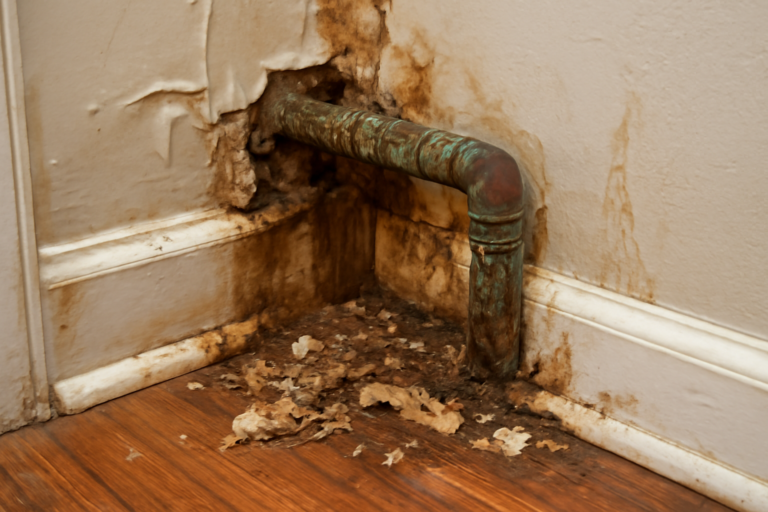
Water seeping up from the subfloor can cause visible stains or discoloration on your flooring or even creep up the baseboards and lower parts of your walls. These water stains are a visual cue that moisture is present and migrating. They often appear as dark or yellowish marks.
Increased Humidity Levels Indoors
If you notice your home feels generally more humid than usual, even when the weather outside isn’t particularly damp, it could be due to a hidden water source like a leaky pipe or appliance affecting your subfloor. This can make your home feel sticky and uncomfortable.
Sounds of Dripping or Gurgling
In some cases, you might hear faint dripping or gurgling sounds coming from beneath your floors, especially after heavy rain or if you have plumbing running under the subfloor. These sounds are direct evidence of water where it shouldn’t be.
Subfloor Water Damage Repair vs. DIY: When To Call a Professional
| Situation | DIY? | Call a Pro? | Why |
|---|---|---|---|
| Small spill on hard surface flooring | Yes | No | Easy to wipe up, minimal risk to subfloor. |
| Suspected leak from an appliance (dishwasher, fridge) | Maybe | Yes | Hidden moisture can spread quickly and affect subfloor integrity. |
| Persistent musty odor | No | Yes | Indicates hidden mold or rot that requires specialized detection and treatment. |
| Visible buckling or warping of flooring | No | Yes | Signifies significant subfloor saturation and potential structural weakening. |
| Water intrusion from a plumbing leak | No | Yes | Requires professional extraction, drying, and potential pipe repair. |
| After severe storm or flood event | No | Yes | Extensive water requires industrial equipment and expertise for thorough drying. |
While minor spills might be manageable yourself, any situation involving trapped moisture, potential mold, or compromised flooring demands professional attention. The risks of inadequate drying or treatment are too high to attempt extensive subfloor water damage repair on your own. Our team has the specialized tools and knowledge to tackle these complex issues effectively.
Subfloor Water Damage Repair Cost in Milton, GA
The cost for subfloor water damage repair in Milton, GA, can vary widely. Factors like the size of the affected area, the type of flooring you have, the depth of water intrusion, and the specific materials compromised all play a role. These estimates are meant to give you a general idea; a precise quote requires an on-site assessment.
| Service | Typical Price Range | What Affects Cost |
|---|---|---|
| Moisture Assessment and Inspection | $300 – $800 | Use of advanced equipment like thermal imagers and moisture meters. |
| Water Extraction | $500 – $2,000 | Volume of water to be removed and accessibility of the area. |
| Subfloor Drying (Equipment Rental & Operation) | $800 – $3,500 | Number and size of drying units, duration of drying process needed. |
| Antimicrobial Treatment / Mold Prevention | $400 – $1,200 | Size of the area treated and type of treatment applied. |
| Subfloor Repair/Replacement (Material & Labor) | $1,000 – $5,000+ | Square footage needing repair, type of subfloor material, and complexity of repair. |
| Reinstallation of Flooring | Varies based on flooring type | Labor and material costs depend heavily on the type of flooring being reinstalled. |
Understanding these costs is important, and we’re here to help. We provide free estimates after a thorough on-site inspection, and we’re experienced in working with insurance adjusters to ensure your claim is handled fairly. Let us provide you with a clear picture of what your specific repair will involve.
Service Areas Near Milton, GA
Alpharetta, Roswell, John’s Creek, Suwanee, Duluth, Norcross, Sandy Springs, Marietta, Kennesaw, Acworth, Woodstock, Canton, Cumming, Buford, Lawrenceville, Snellville, Lilburn, Tucker, Decatur, Atlanta.
Common Questions About Subfloor Water Damage Repair
My insurance company is asking for a lot of documentation for my subfloor water damage claim. How do you help with that?
We understand that navigating insurance paperwork can be overwhelming. Our team is experienced in working with insurance adjusters and will provide detailed documentation, including photos, moisture readings, and a clear scope of work. We aim to make the claims process as smooth as possible for you, ensuring all necessary information is captured for prompt claim approval and fair compensation.
How long does Subfloor Water Damage Repair typically take?
The timeline for Subfloor Water Damage Repair varies significantly based on the extent of the water intrusion and how long it’s been present. While initial water extraction might take a day, the critical drying phase using specialized equipment can take anywhere from 3 to 10 days, sometimes longer. We monitor moisture levels closely to ensure the subfloor is completely dry before we finish, which is crucial for preventing future issues and ensuring structural integrity.
Are there health risks associated with unrepaired subfloor water damage?
Absolutely. Unrepaired subfloor water damage creates a perfect environment for mold and mildew growth. Inhaling mold spores can lead to a variety of health problems, including allergies, asthma flare-ups, and respiratory infections, especially for vulnerable individuals. Addressing the moisture promptly is vital for maintaining healthy indoor air quality and protecting your family’s well-being.
What kind of equipment do you use for drying subfloors?
We utilize professional-grade equipment that goes far beyond typical home dehumidifiers. This includes high-powered air movers to create airflow across wet surfaces, industrial dehumidifiers to extract moisture from the air, and specialized drying mats or injectidry systems to target moisture within the subfloor cavities themselves. This targeted approach ensures efficient moisture removal and complete drying.
How can I prevent subfloor water damage in the future?
Regular maintenance is key. Regularly inspect plumbing under sinks, around toilets, and appliances like dishwashers and refrigerators for any signs of leaks. Ensure your gutters and downspouts are clear and directing water away from your home’s foundation. Promptly addressing any visible leaks or excessive humidity can go a long way in preventing costly damage and preserving your home’s value.
Check Our Other Relevant Services

Jerry Johns is a licensed Damage Restoration Expert with over 20 years of hands-on experience helping homeowners and businesses navigate property crises. As a trusted authority in the field, Jerry combines technical precision with a compassionate approach to disaster recovery.
𝗖𝗲𝗿𝘁𝗶𝗳𝗶𝗰𝗮𝘁𝗶𝗼𝗻𝘀: Jerry holds multiple elite IICRC certifications, including Water Damage Restoration (WRT), Applied Microbial Remediation (Mold), Applied Structural Drying (ASD), Odor Control, and Fire and Smoke Restoration.
𝗙𝗮𝘃𝗼𝗿𝗶𝘁𝗲 𝗣𝗮𝘀𝘁𝗶𝗺𝗲: When he isn’t on a job site, Jerry is an avid outdoorsman who enjoys fly fishing and restoring vintage woodworking tools.
𝗕𝗲𝘀𝘁 𝗣𝗮𝗿𝘁 𝗼𝗳 𝘁𝗵𝗲 𝗝𝗼𝗯: Jerry finds the most fulfillment in seeing the relief on a client’s face when their property is finally restored to its pre-loss condition, turning a stressful disaster into a fresh start.