Trusted by 165+ Homeowners
Sump Pump Installation in Lilburn, GA
- Over 165 5-Star Reviews
- Free Estimates and Quotes
- 100% Satisfaction Guaranteed
- Child, Family & Pet Safe Steps
- 24-Hour Emergency Service
- Fully Licensed & Insured

Protect Your Lilburn Home: Expert Sump Pump Installation
When heavy rains hit your property, the last thing you want to worry about is a flooded basement. Ignoring basement moisture can lead to significant damage and costly repairs down the line. Many homeowners in Lilburn, GA, discover too late that their existing sump pump isn’t up to the task or that they never had one installed at all. Prompt installation of a reliable system is key to preventing serious water intrusion issues. We understand how stressful basement flooding can be, and our goal is to make the installation process as smooth as possible for you.
With over 165 five-star reviews from your neighbors, it’s clear that local homeowners trust our team for their essential water management needs. We’ve earned this trust by consistently delivering dependable sump pump services with a focus on your property’s long-term health. When you choose us for your sump pump installation, you’re choosing a team dedicated to providing clear communication and efficient work, ensuring your home is protected when you need it most. We’re committed to high-quality workmanship on every job.
- A professionally installed sump pump system provides critical defense against groundwater intrusion, protecting your foundation and belongings from water damage.
- We ensure your new system is correctly sized and properly vented, which helps prevent common issues like short-cycling or system failure during intense storms.
- Our installation process includes thorough testing of your new pump and backup systems, giving you confidence that your basement will remain dry even during extended power outages.
How Sump Pump Installation Works With Our Team
A proper sump pump installation isn’t just about digging a hole and dropping in a pump. It involves understanding your property’s specific drainage needs, selecting the right equipment, and ensuring everything is connected correctly to manage water effectively. We follow a detailed process to guarantee your system functions optimally, preventing the common pitfalls that can occur with rushed or improper installations. Cutting corners on installation can lead to premature pump failure and recurring water problems, costing you more in the long run. We focus on long-term water protection.
1. Initial Site Assessment and Planning
Before any work begins, our technicians will thoroughly assess your basement or crawl space. We’ll identify the best location for the sump pit, consider the necessary discharge pipe routing, and determine the ideal pump capacity for your home’s size and local rainfall patterns. This crucial step ensures we design a system that effectively addresses your specific water management challenges. We use detailed property evaluation to plan.
2. Sump Pit Excavation and Preparation
Next, we carefully excavate the area for the sump pit. We ensure the pit is deep enough to accommodate the pump and allow for proper water collection. The bottom of the pit is typically lined with gravel to improve drainage and prevent sediment buildup, creating a stable foundation for the pump. This preparation is key for efficient water collection.
3. Sump Pump Installation and Wiring
We then install the sump pump into the prepared pit, ensuring it’s securely seated. The discharge pipe is connected, and we run it to an appropriate exterior drainage point, ensuring it complies with local regulations. Electrical connections are made by a licensed electrician, ensuring the pump operates safely and reliably. We use durable, high-quality pumps for all installations.
4. Backup System Integration (Optional but Recommended)
For enhanced protection, we can also install a battery backup system or a water-powered backup pump. This is critical for homes where power outages are common during storms. The backup system automatically engages if the primary pump fails or loses power, providing continuous protection. We ensure reliable backup power for continuous operation.
5. System Testing and Final Inspection
Once everything is installed, we perform rigorous testing to confirm the pump activates correctly, discharges water away from your foundation, and that the backup system (if installed) functions as expected. We’ll walk you through the system’s operation and answer any questions you may have. This final check guarantees optimal system performance.
Don’t wait for a basement flood to realize you need a sump pump. Contact us today for a professional assessment and installation. Let us help you achieve reliable basement dryness.

Warning Signs You Need Sump Pump Installation
Catching the early signs that your home needs better water management can save you from significant headaches and expenses. Ignoring subtle indicators can lead to more extensive damage, making repairs far more complex. Being aware of these signs is the first step toward protecting your property. Proactive detection saves money and prevents future problems.
Musty Odors That Won’t Go Away
A persistent musty or earthy smell in your basement or lower levels often indicates excess moisture. This dampness can be a breeding ground for mold and mildew, which thrive in dark, humid environments. Addressing basement odors is crucial for indoor air quality.
Visible Signs of Water or Dampness
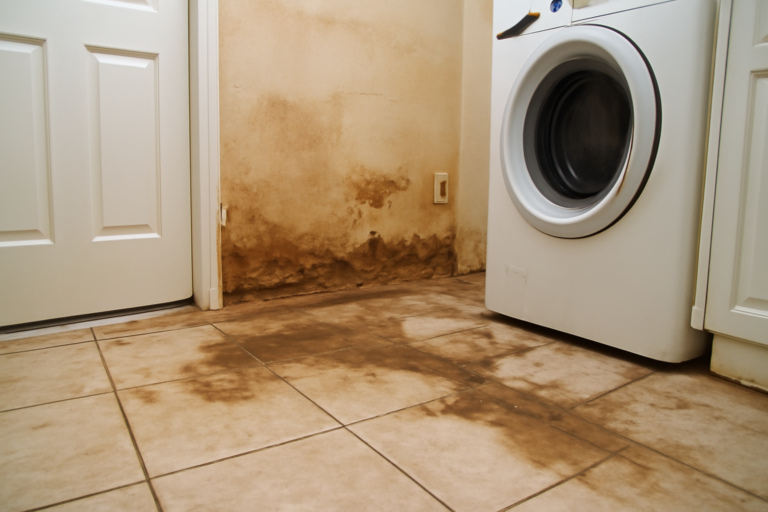
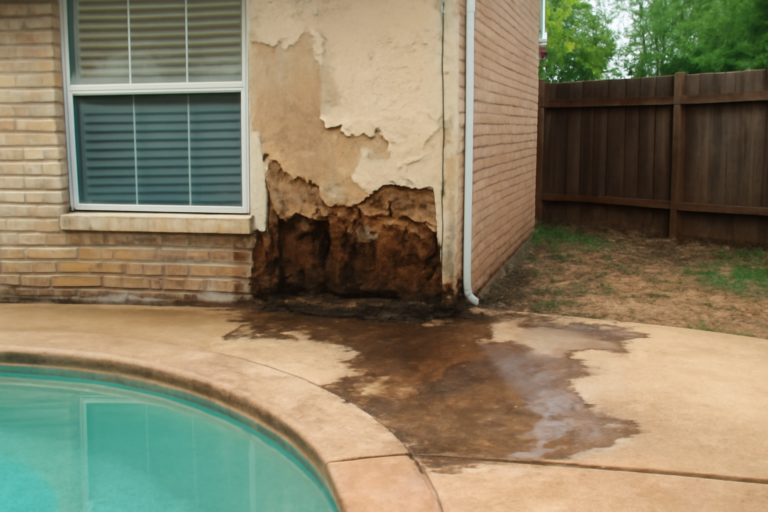
Even small water stains on walls or floors, or a generally damp feeling in the air, can signal that water is seeping into your basement. This might be a sign that groundwater is accumulating around your foundation. Identifying damp spots is an early warning.
Cracks in Basement Walls or Floors
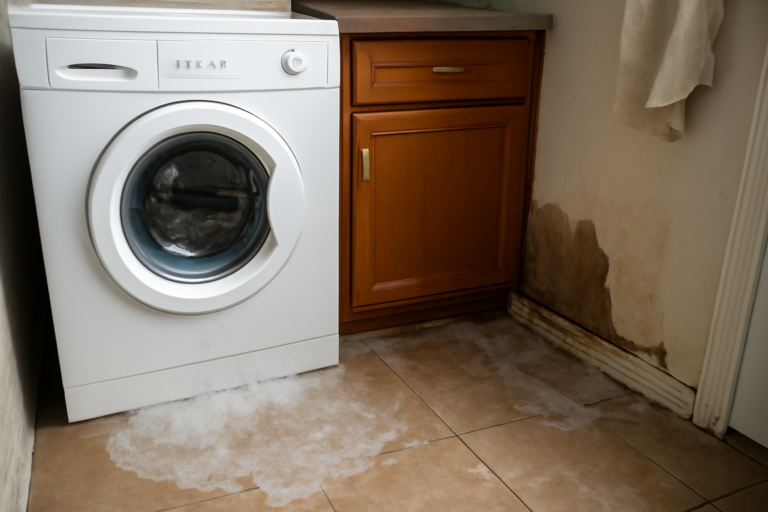
Small cracks can allow groundwater to enter your home. If these cracks are accompanied by moisture or efflorescence (a white, powdery deposit), it’s a clear sign that hydrostatic pressure from surrounding soil is affecting your foundation. Sealing foundation cracks prevents water entry.
High Humidity Levels in the Basement
If your basement feels unusually humid, even when the weather outside isn’t particularly wet, it could be due to poor drainage or inadequate ventilation allowing moisture to build up. Controlling basement humidity is important for comfort and health. This often points to a need for better water management.
Increased Rainfall or Groundwater Concerns
If you live in an area prone to heavy rainfall or have noticed your groundwater levels seem higher than usual, it’s wise to consider proactive protection. Properties in low-lying areas or those with clay-heavy soil are particularly susceptible. Preparing for heavy rain is a smart move.
Previous Water Intrusion Issues
If your home has a history of basement flooding or water damage, even if it was addressed previously, the underlying drainage issues may still exist. A sump pump is often a necessary component of preventing recurrence. Preventing future floods is a priority.
Sump Pump Installation vs. DIY: When To Call a Professional
| Situation | DIY? | Call a Pro? | Why |
|---|---|---|---|
| Installing a basic submersible pump in a pre-existing, properly sized pit. | Yes, if you’re comfortable with basic plumbing and electrical work. | Ensures correct pit depth and drainage. | |
| Excavating a new sump pit in compacted soil or near utilities. | No. | Yes. | Requires specialized tools and knowledge of underground lines. |
| Connecting discharge pipes to the municipal storm drain or public sewer system. | No. | Yes. | Requires understanding local codes and potential environmental regulations. |
| Installing a battery backup or secondary pump system. | Maybe, for simple hookups. | Yes. | Ensures proper wiring and fail-safe operation. |
| Troubleshooting an existing pump that isn’t working correctly. | Maybe, for simple checks. | Yes. | Requires diagnostic tools and expertise to identify underlying issues. |
| Replacing an old pump in an existing, functional pit. | Yes, if you can safely access and disconnect the old unit. | Simple mechanical swap if the pit is sound. |
While some minor tasks might be manageable for a DIY enthusiast, complex installations, especially those involving excavation or new pit creation, are best left to professionals. Professional installation guarantees proper function and longevity, saving you potential headaches. We ensure correct system setup from the start.
Sump Pump Installation Cost In Lilburn, GA
The cost for sump pump installation in Lilburn, GA, can vary significantly based on the complexity of the job, the type of pump chosen, and whether a backup system is included. These figures are general estimates. Accurate pricing requires an on-site visit to assess your specific needs. We provide transparent cost estimates.
| Service | Typical Price Range | What Affects Cost |
|---|---|---|
| Basic Sump Pump Installation (Submersible Pump) | $500 – $1,500 | Pump quality, pit depth, and discharge pipe length. |
| Sump Pit Excavation and Installation | $800 – $2,500 | Soil type, accessibility, and pit dimensions. |
| Sump Pump with Battery Backup System | $1,000 – $2,200 | Battery capacity and type of backup pump chosen. |
| Water-Powered Backup Pump Installation | $700 – $1,800 | Water pressure availability and complexity of plumbing tie-in. |
| Discharge Pipe Rerouting or Extension | $300 – $800 | Distance to discharge point and any necessary trenching. |
| Professional Inspection and Testing of Existing System | $150 – $300 | Complexity of the existing setup and diagnostic time. |
These estimates provide a general idea of what to expect for sump pump installation services. For a precise quote tailored to your property, schedule a free estimate with our team. We offer fair pricing for essential protection.
Service Areas Near Lilburn, GA
Tucker, Stone Mountain, Norcross, Duluth, Lawrenceville, Snellville, Suwanee, Johns Creek, Chamblee, Doraville, Scottdale, Clarkston, Avondale Estates, Decatur, Atlanta, Marietta, Sandy Springs, Roswell, Alpharetta, Dunwoody.
Common Questions About Sump Pump Installation
How long does a sump pump installation typically take?
A standard sump pump installation, especially if the pit is already in place, can often be completed within a few hours. If excavation for a new pit is required, it might take a full day. Expedited service is often available if you’re experiencing an urgent water issue. We work efficiently to get your system operational quickly.
What are the health risks associated with not having a functioning sump pump?
A lack of proper basement drainage can lead to mold and mildew growth, which can release spores into your home’s air. Inhaling these spores can trigger allergies, asthma symptoms, and other respiratory problems. Preventing mold growth is vital for a healthy living environment. Our team ensures your home is protected from these risks.
Will my homeowner’s insurance cover sump pump installation?
Typically, homeowner’s insurance policies do not cover the cost of sump pump installation or maintenance as a preventative measure. However, they may cover some damages caused by a sump pump *failure* if it’s deemed a covered peril, or if the flood was due to a sudden, accidental discharge from a plumbing system. It’s best to review your specific policy details. We can help document the necessity of the system for your records.
How much water does a sump pump remove per hour?
Sump pump capacity is measured in gallons per hour (GPH). Smaller residential pumps might handle 1,000-3,000 GPH, while larger, more powerful units can pump 5,000 GPH or more. The right capacity for your home depends on the size of your basement and how quickly water accumulates. We select appropriately sized pumps to meet your needs.
How often should I test my sump pump, and what maintenance is involved?
You should test your sump pump at least once a month, especially during rainy seasons, by pouring a bucket of water into the sump pit to ensure it activates and pumps water out. Annually, you should clean out the pit and check the discharge line for blockages. Regular maintenance prevents unexpected failures. Routine pump checks are essential for longevity. We can advise on the best maintenance schedule for your new system.
Check Our Other Relevant Services
Serving Lilburn, GA And Nearby Areas