Trusted by 165+ Homeowners
Thermal Imaging Leak Detection in College Park, GA
- Over 165 5-Star Reviews
- Free Estimates and Quotes
- 100% Satisfaction Guaranteed
- Child, Family & Pet Safe Steps
- 24-Hour Emergency Service
- Fully Licensed & Insured

See the Unseen: Thermal Imaging Leak Detection in College Park, GA
When water starts to cause problems in your home, it often hides. You might see a small stain on the ceiling, or notice a damp spot on the floor, but the real damage could be spreading much further behind your walls or under your foundation. It’s easy to miss these early warning signs, especially when leaks occur in hard-to-reach places. Ignoring them can lead to serious structural issues and costly repairs down the line, making it crucial to address any suspected leak promptly. We’re here to help you find those hidden problems before they become major headaches.
Homeowners around College Park, GA, trust us because we bring a level of precision to leak detection that you just can’t get with the naked eye. Our proven methods have helped countless families in your neighborhood identify and resolve water issues quickly and effectively. With over 165 five-star reviews from satisfied customers, you can be confident that you’re choosing a team dedicated to accurate, thorough service for your property. We understand how stressful water damage can be, and we’re committed to providing a clear path forward.
- Our advanced thermal imaging technology allows us to detect temperature differences caused by moisture, revealing hidden leaks without unnecessary destruction.
- We can pinpoint the exact source and extent of a leak, ensuring repairs are targeted and efficient, saving you time and money on unnecessary demolition.
- By identifying leaks early, we help prevent the growth of mold and mildew, protecting your family’s health and preserving the integrity of your home’s structure.
How We Find Hidden Water Damage
Discovering a water leak is stressful, and knowing where to even start looking can be overwhelming. That’s where our specialized process for Thermal Imaging Leak Detection comes in. We use sophisticated equipment and a methodical approach to get to the bottom of your water problem quickly. Unlike guesswork or invasive exploratory work, our thermal cameras show us exactly where moisture is hiding, allowing for precise damage assessment and targeted repairs. This efficiency is key to minimizing disruption to your home and preventing secondary damage like mold growth, which can happen within 24 to 48 hours.
Step 1: Initial Assessment and Thermal Scan
Our certified technicians begin by performing a thorough visual inspection of the affected areas. Then, they utilize a high-resolution thermal imaging camera. This camera detects subtle temperature variations on surfaces, highlighting areas that are cooler than their surroundings due to moisture. This non-invasive scan typically takes 30 to 60 minutes, depending on the size of your property and the suspected leak areas.
Step 2: Moisture Meter Readings
Following the thermal scan, we use specialized moisture meters to confirm the presence of water in the suspected areas identified by the camera. These meters provide precise readings of moisture content within building materials like drywall, wood, and insulation. This confirmation step ensures we’re only focusing on actual wet areas, typically taking another 15 to 30 minutes.
Step 3: Identifying the Source
With the thermal imaging and moisture meter data, our team can often pinpoint the exact source of the leak – whether it’s a plumbing issue, roof leak, or foundation problem. This detailed information is crucial for effective repairs. We spend about 20 to 40 minutes analyzing the data to map out the full extent of the moisture intrusion.
Step 4: Reporting and Recommendations
We provide you with a clear, easy-to-understand report detailing our findings, including thermal images and moisture readings. This report outlines the location and severity of the leak. We’ll then discuss the best course of action for repairs, explaining what needs to be done to fully resolve the issue and prevent future problems. This consultation usually takes 15 to 20 minutes.
Step 5: Targeted Repairs and Drying
Once you approve the repair plan, our skilled crews will carry out the necessary work to fix the leak. Following repairs, we may employ drying equipment to remove any remaining moisture from building materials, ensuring a healthy environment. The repair and drying phase duration varies greatly depending on the complexity of the leak and the affected materials.
Don’t let hidden water damage compromise your home. Reach out to us today for a swift and accurate assessment. We’re ready to help you protect your property and your family’s well-being.

Warning Signs You Need Thermal Imaging Leak Detection
Catching water leaks early is vital for preventing widespread damage and costly repairs. Sometimes, the signs are subtle, and you might not realize the extent of the problem until it’s quite advanced. Recognizing these common indicators can prompt you to seek professional help before minor issues escalate into major disasters. Our team is here to help you identify these signs and provide prompt service in your neighborhood.
Musty Odors That Won’t Go Away
A persistent damp, musty smell, especially in basements, bathrooms, or near appliances, is often a strong indicator of hidden moisture. This smell is usually caused by mold and mildew growing in unseen damp areas. It’s a clear signal of hidden water that needs investigation.
Discolored Walls or Ceilings
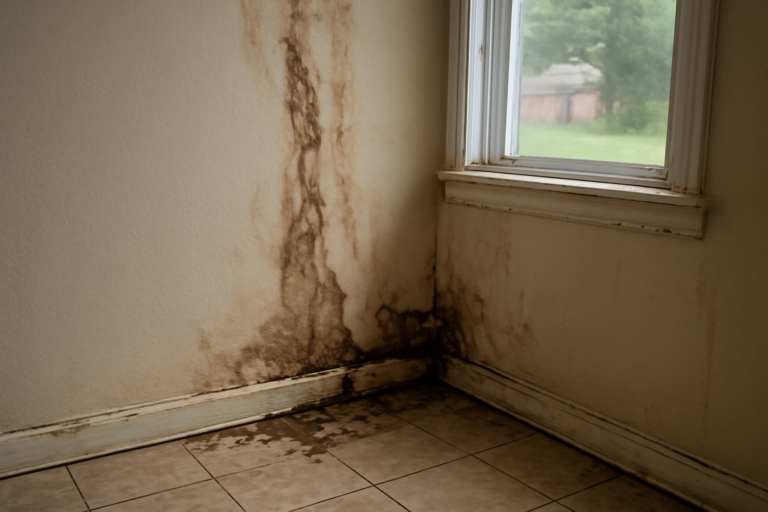
Look for unexplained water stains, discoloration, or bubbling paint on your walls or ceilings. These are direct visual cues that water is penetrating the building materials from behind. These spots can grow significantly if the source of the water isn’t found and fixed.
Peeling or Warped Wallpaper and Paint
When wallpaper starts to peel away from the wall, or paint begins to blister and flake, it’s often due to moisture trapped underneath. This indicates that water is saturating the material, weakening the adhesive or paint bond. This is a visible sign of water intrusion.
Unexplained High Water Bills
If your water bill suddenly spikes without a corresponding increase in water usage, it could mean you have a hidden leak somewhere in your plumbing system. A continuous drip or a slow leak can waste a surprising amount of water over time. Keep an eye on your utility expenses for anomalies.
Warm or Cold Spots on Floors and Walls
Thermal imaging can detect temperature differences caused by moisture. If you notice areas on your floor or walls that feel unusually warm or cold to the touch, it might indicate water that has saturated the insulation or subflooring. These temperature anomalies are key indicators for our cameras.
Sound of Dripping Water
Sometimes, you can hear faint dripping sounds even when you can’t see the source. This is especially common in walls or ceilings. If you hear this, it’s important to investigate immediately, as even a slow drip can cause significant damage over time. Don’t ignore the audible signs of trouble.
Thermal Imaging Leak Detection vs. DIY: When To Call a Professional
| Situation | DIY? | Call a Pro? | Why |
|---|---|---|---|
| Suspected leak behind a wall with no visible signs. | No | Yes | DIY methods can’t see through walls, risking missed damage and delayed repairs. |
| Small, visible water stain on a ceiling. | Maybe | Yes | A pro can confirm if the stain is the only issue or part of a larger hidden problem. |
| High water bill with no obvious cause. | Maybe | Yes | Professionals have specialized tools to locate even the most elusive underground or hidden pipe leaks. |
| Damp smell in a room but no visible water. | No | Yes | Thermal imaging is essential for pinpointing the hidden mold and moisture sources causing the odor. |
| After a storm, noticing a few damp spots in the attic. | Maybe | Yes | Pros can thoroughly inspect the roof and attic with specialized equipment to ensure all leaks are found. |
| Concern about a pipe under a concrete slab. | Absolutely Not | Absolutely Yes | Accessing and repairing slab leaks requires specialized equipment and expertise to avoid further structural damage. |
While some minor water issues might seem manageable, most hidden leaks require professional intervention. Our team’s specialized thermal imaging equipment and expertise allow us to accurately diagnose problems that DIY methods simply can’t detect. For accurate identification and effective repair, calling a professional is often the wisest choice.
Thermal Imaging Leak Detection Cost In College Park, GA
The cost for Thermal Imaging Leak Detection in College Park, GA can vary. Several factors influence the final price, including the size of your property, the accessibility of the suspected leak areas, and the complexity of the issue. These figures are general estimates, and an on-site assessment is always needed for a precise quote.
| Service | Typical Price Range | What Affects Cost |
|---|---|---|
| Standard Home Thermal Scan (up to 2000 sq ft) | $400 – $800 | Square footage and complexity of the home’s layout. |
| Detailed Leak Source Identification | $700 – $1,500 | Number of suspected leak areas and difficulty in pinpointing the exact source. |
| Moisture Metering & Assessment | $200 – $500 | Extent of the area needing detailed moisture content verification. |
| Report & Consultation | Included with scan or $150 – $300 if standalone | Level of detail required in the report and the time spent explaining findings. |
| Emergency Thermal Imaging (24/7) | $800 – $2,000+ | Urgency of the request and availability outside standard business hours. |
| Slab Leak Detection | $1,000 – $3,000+ | Accessibility of the slab and the depth of the suspected leak. |
These prices reflect the advanced technology and expertise involved in accurate leak detection. We offer free, no-obligation estimates for your specific situation, so you’ll know exactly what to expect before any work begins.
Service Areas Near College Park, GA
Atlanta, East Point, Hapeville, Forest Park, Riverdale, Jonesboro, Morrow, Union City, College Park, GA, Fairburn, Duluth, Suwanee, Johns Creek, Alpharetta, Milton, Roswell, Sandy Springs, Dunwoody, Brookhaven, Tucker.
Common Questions About Thermal Imaging Leak Detection
What is thermal imaging leak detection and how does it work?
Thermal imaging leak detection uses an infrared camera to visualize temperature differences on surfaces. Water absorbs and holds heat differently than dry materials, causing cooler spots on walls or ceilings where moisture is present. Our technicians use this technology to non-destructively locate hidden leaks, mapping out the extent of water intrusion without ripping into your walls unnecessarily.
How quickly can you respond to a leak detection emergency?
We understand that water damage can happen at any time, so we offer rapid response for leak detection emergencies. Our goal is to be on-site quickly to minimize damage. The sooner we can get our thermal cameras on the problem, the better we can limit the spread of water and prevent more serious issues like mold growth.
Will thermal imaging reveal mold growth?
While thermal imaging directly detects moisture, which is a precursor to mold, it doesn’t directly “see” mold itself. However, by accurately identifying the exact locations of hidden moisture, our thermal scans allow us to pinpoint where mold is likely to be growing or will begin to grow. This lets us address the root cause of potential mold, ensuring a healthier environment for your family.
How much does thermal imaging leak detection typically cost?
The cost for thermal imaging leak detection varies based on the size of your property and the complexity of the suspected leak. For a standard home, you might expect a range of $400 to $800 for an initial scan and assessment. We provide detailed quotes after an on-site evaluation, ensuring you understand the investment in accurate detection.
Is thermal imaging leak detection covered by homeowners insurance?
Coverage for thermal imaging leak detection can vary by policy. Often, the detection service itself might not be directly covered, but the resulting water damage repairs usually are, especially if the leak was sudden and accidental. It’s always best to check with your insurance provider. We can provide detailed documentation of our findings to assist with your claim, helping you secure necessary coverage.
Check Our Other Relevant Services
Serving College Park, GA And Nearby Areas