
Trusted by 165+ Homeowners
Toilet Overflow Cleanup in College Park, GA
- Over 165 5-Star Reviews
- Free Estimates and Quotes
- 100% Satisfaction Guaranteed
- Child, Family & Pet Safe Steps
- 24-Hour Emergency Service
- Fully Licensed & Insured

When Your Toilet Overflows in College Park, GA
You hear it before you see it. That gurgling sound, then the unmistakable sight of water rising where it absolutely shouldn’t be. It’s a mess, and frankly, it’s a bit unsettling. Dealing with a toilet overflow emergency means immediate action is required to prevent further damage to your floors and subfloors. You need a fast, effective response when this happens in your College Park, GA home.
Homeowners around here trust our team when their toilets decide to act up. With over 165 five-star reviews, you know you’re getting a team that understands the urgency and the science behind cleaning up this specific type of mess. We’re dedicated to getting your property back to normal, fast.
- We focus on preventing mold growth, a serious health risk that can start within 24-48 hours after water exposure.
- Our technicians use specialized equipment designed to extract water from deep within your flooring and structure.
- We provide detailed drying logs and moisture readings so you know exactly what’s happening during the restoration process.
The Science of Toilet Overflow Cleanup
A proper toilet overflow cleanup isn’t just about mopping up water. It’s a technical process that requires understanding how water infiltrates your building materials and how to remove it completely. Cutting corners here can lead to long-term issues like structural damage and unhealthy mold infestations. Our crews are trained in the science of drying and water mitigation, ensuring every trace of the problem is addressed. We take this seriously because your home’s integrity is on the line.
Inspection and Water Extraction
Our initial step involves a thorough inspection to assess the full extent of the water damage. We’ll use moisture meters to detect hidden water. Then, we deploy powerful, truck-mounted or portable extraction units to remove standing water quickly and efficiently from all affected surfaces. This phase is critical for preventing secondary damage.
Containment and Air Quality
Once the bulk of the water is gone, we set up containment barriers to prevent airborne contaminants from spreading. This is especially important if the overflow involved anything beyond clean water. We also start improving air quality with air scrubbers and dehumidifiers to minimize lingering odors and prevent microbial growth. This step protects your indoor environment.
Structural Drying
This is where the technical expertise really shines. We place specialized drying equipment, like high-velocity air movers and industrial-grade dehumidifiers, strategically throughout your property. Our goal is to accelerate the natural evaporation process and restore your materials to their pre-loss moisture content. We carefully monitor humidity and temperature levels, adjusting our equipment as needed to ensure thorough structural drying.
Odor Control
Toilet overflows can leave behind unpleasant smells that linger. We use advanced deodorizing techniques and products to neutralize odors at their source, not just mask them. This process ensures your home smells fresh and clean again. We want you to feel comfortable in your restored living space.
Reinstallation and Final Checks
After everything is completely dry and odors are gone, we’ll handle any necessary reinstallation of removed materials, like baseboards. We’ll conduct a final inspection, using moisture meters one last time to confirm that all affected areas have been dried to industry standards. Your satisfaction is our top priority.
Don’t let a toilet overflow ruin your day or your home. Call us now for immediate assistance. We’re ready to deploy our crews without delay.
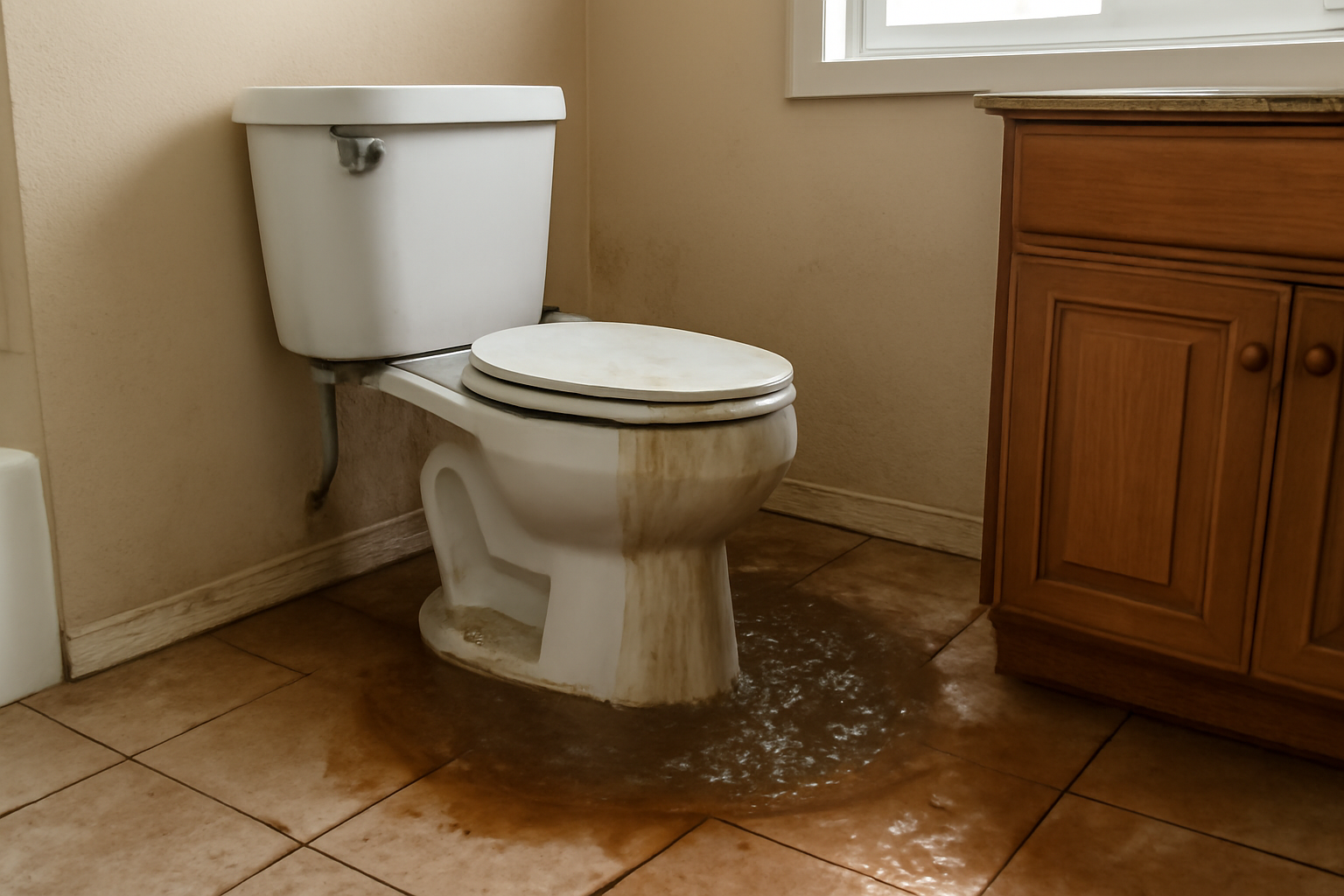
Warning Signs You Need Toilet Overflow Cleanup
Catching the signs of a toilet overflow early can save you a significant amount of stress and money. Water damage can spread rapidly and secretly, so it’s important to know what to look for. Ignoring these indicators can lead to much bigger problems down the road. We’re here to help you recognize them.
Musty Odors That Won’t Go Away
If you notice a persistent damp, musty, or mildewy smell, especially near bathrooms or plumbing fixtures, it’s a strong indicator of hidden moisture. This smell often means water has been sitting somewhere it shouldn’t be for a while, creating a breeding ground for mold.
Visible Water Stains or Discoloration
Look for dark spots or rings on ceilings, walls, or floors, especially around toilets or pipes. These are clear signs that water has leaked and is likely seeping into your building materials. These stains are visual evidence of water intrusion.
Warped or Soft Flooring
If your carpet feels spongy underfoot, or if your hardwood or laminate flooring is buckling, swelling, or looks distorted, water is likely trapped beneath the surface. This indicates that the structural integrity of your flooring is compromised.
Peeling or Bubbling Paint/Wallpaper
Moisture behind your walls can cause paint to blister or peel, and wallpaper to lift or bubble. This is a tell-tale sign that water has saturated the drywall or plaster. It’s a clear indication of internal moisture problems.
Increased Humidity Levels
If your home feels unusually damp or clammy, even when the AC is running, it could be due to hidden water sources. High indoor humidity can also lead to condensation on windows and pipes. Pay attention to your indoor climate.
Sound of Leaking Water
Sometimes, you might hear a faint dripping or trickling sound that doesn’t seem to have an obvious source. This could be a slow leak from a toilet seal or supply line that’s gradually causing damage. Don’t ignore unexplained water sounds.
Toilet Overflow Cleanup vs. DIY: When To Call a Professional
| Situation | DIY? | Call a Pro? | Why |
|---|---|---|---|
| A few towels soaked from a minor splash | Yes | No | Easy to dry and disinfect yourself. |
| Water pooled around the base of the toilet, but not spreading | Maybe | Yes | Hidden water under the toilet base can cause subfloor damage. |
| Water has seeped under baseboards or into adjacent rooms | No | Yes | Professional equipment is needed to extract deep moisture and prevent mold. |
| Flooring (carpet, hardwood) is saturated and looks damaged | No | Yes | Specialized drying and restoration techniques are required to save materials. |
| You suspect mold growth or smell musty odors | No | Yes | Mold remediation requires professional assessment and containment. |
| The overflow happened more than 24 hours ago | No | Yes | Mold can begin to grow rapidly after 24-48 hours. |
For anything more than a minor splash, it’s crucial to call in the professionals. DIY efforts often miss hidden moisture, leading to costly long-term damage and health risks. Our team has the specialized tools and knowledge to handle the situation correctly the first time.
Toilet Overflow Cleanup Cost In College Park, GA
The cost of toilet overflow cleanup in College Park, GA, can vary widely depending on the severity of the overflow, the amount of water involved, and the size of the affected area. These figures are general estimates and an on-site assessment is always needed for an accurate quote. We strive to provide transparent pricing.
| Service Aspect | Typical Price Range | What Affects Cost |
|---|---|---|
| Water Extraction | $500 – $2,000 | Amount of standing water and size of the area. |
| Structural Drying | $1,000 – $4,000 | Extent of moisture saturation and square footage needing drying. |
| Odor Removal | $300 – $1,500 | Severity of odors and type of deodorizing agents needed. |
| Mold Prevention/Treatment | $750 – $3,000+ | Size of the affected area and complexity of mold growth. |
| Material Removal (e.g., carpet, drywall) | $200 – $1,000+ per room | Amount of material needing removal and disposal. |
| Reinstallation/Minor Repairs | $500 – $2,500 | Complexity of repairs and materials needed for restoration. |
A detailed, on-site estimate is the best way to understand the specific costs for your situation. We offer free estimates, so you know exactly what to expect before we begin work. Let’s get your property restored properly.
Service Areas Near College Park, GA
Atlanta, East Point, Hapeville, Forest Park, Riverdale, Jonesboro, Morrow, Clayton, Union City, Tyrone, Peachtree City, Fayetteville, Lovejoy, Stockbridge, McDonough, Ellenwood, Lithonia, Conyers, Decatur, Chamblee
Common Questions About Toilet Overflow Cleanup
What should I do immediately after a toilet overflows?
First, try to stop the flow of water by turning off the water supply valve behind the toilet. If water has spread, safely try to contain it and protect your belongings. Then, call us immediately. We’ll provide guidance on what to do next while our team mobilizes to your location for swift water extraction.
How long does toilet overflow cleanup take?
The timeline depends on the severity, but basic water extraction and initial drying can often be completed within 1-3 days. Complete structural drying might take longer, sometimes up to a week or more, depending on how deeply the moisture has penetrated. We focus on efficient restoration without compromising quality.
Is toilet overflow water dangerous?
Yes, toilet overflow water, especially from a secondary flush, should be treated as potentially contaminated. It can contain bacteria and other pathogens. It’s best to avoid direct contact and let our trained technicians handle the cleanup. We follow strict safety protocols to ensure your health and safety.
What kind of equipment do you use for toilet overflow cleanup?
We utilize a range of professional-grade equipment, including powerful water extractors, industrial dehumidifiers, high-velocity air movers, moisture meters, and air scrubbers. This specialized gear allows us to remove water effectively, dry materials thoroughly, and maintain optimal indoor air quality.
Will my insurance cover toilet overflow cleanup?
Coverage varies by policy. Generally, water damage from a sudden and accidental overflow is covered, but damage from neglect or sewer backups might not be. It’s always best to check your policy and contact your insurance provider. We can work directly with your adjuster to ensure proper claim handling.
Check Our Other Relevant Services
Serving College Park, GA And Nearby Areas


