Trusted by 165+ Homeowners
Thermal Imaging Leak Detection in Lovejoy, GA
- Over 165 5-Star Reviews
- Free Estimates and Quotes
- 100% Satisfaction Guaranteed
- Child, Family & Pet Safe Steps
- 24-Hour Emergency Service
- Fully Licensed & Insured

The Invisible Enemy: Expert Thermal Imaging Leak Detection in Lovejoy, GA
We’ve seen it time and time again in homes around Lovejoy, GA. Water damage that starts small, hidden behind walls or under floors, can turn into a major headache. Detecting these hidden leaks before they cause significant harm is our specialty. Our experienced crews are equipped with advanced thermal imaging technology, allowing us to pinpoint the source of moisture with incredible accuracy, even when it’s not visible to the naked eye. We understand the stress that comes with discovering a leak, and we’re here to make the process as straightforward as possible for you.
Homeowners in your neighborhood have trusted us for years because we deliver reliable results. With over 165 five-star reviews, you can feel confident knowing you’re choosing a team that truly understands the challenges of water intrusion. We don’t just find the leak; we help you understand the extent of the damage and the best path forward. Our commitment is to providing clear, honest assessments and effective detection services that save you time and money in the long run. You’ll appreciate our diligent approach and our focus on getting it right the first time.
- Non-invasive detection means we won’t have to tear apart your walls to find the problem, saving you on unnecessary demolition and repair costs.
- We can identify temperature anomalies that indicate moisture, mold growth, or insulation issues long before visible signs appear.
- Our technology provides clear visual evidence of leaks, which is invaluable for insurance claims and understanding the full scope of the issue.
How Our Thermal Imaging Leak Detection Service Works
Finding hidden water leaks requires more than just a good eye. It demands specialized tools and a systematic approach. We’ve refined our process over countless jobs, ensuring that every inch of your property is examined thoroughly. When corners are cut in leak detection, you end up with reappearing problems, escalating damage, and higher costs. That’s why we follow a strict protocol, using infrared cameras and other diagnostic tools to deliver definitive answers. You’ll see exactly what we see, making the entire situation transparent and manageable for you.
Step 1: Initial Property Assessment
Our technician will begin by discussing your concerns and observing any visible signs of water damage. We’ll then create a baseline scan of the affected areas using our thermal imaging camera. This initial assessment helps us understand the potential scope and identify areas of interest for further investigation. We aim for thorough initial inspection.
Step 2: Infrared Scanning
Using a high-resolution infrared camera, we scan walls, ceilings, floors, and other surfaces. The camera detects temperature differences, revealing areas that are cooler due to moisture or warmer due to active leaks. This allows us to visualize hidden water pathways and saturation zones without causing any damage. You’ll be able to see the thermal images and understand the findings with us.
Step 3: Moisture Meter Verification
While thermal imaging is incredibly effective, we often use advanced moisture meters to confirm the presence and quantify the level of moisture in suspected areas. This dual-confirmation process ensures that our findings are precise and reliable. It’s an extra layer of certainty that you can count on from our team. We want to be absolutely sure about accurate moisture readings.
Step 4: Identifying the Source
Based on the thermal scans and moisture meter readings, we meticulously trace the moisture back to its origin. This could be a leaking pipe, a faulty seal, a compromised roof flashing, or an issue with your HVAC system. Pinpointing the exact source is critical for effective repairs. We focus on pinpointing the exact source.
Step 5: Detailed Reporting
Once we’ve completed our investigation, we provide you with a comprehensive report. This report includes thermal images, moisture meter readings, and a clear explanation of our findings, including the identified source of the leak and the affected areas. This documentation is essential for understanding the problem and for any potential insurance claims you may need to file. We believe in transparent reporting.
Don’t let hidden water damage silently ruin your home. Contact us today for a professional thermal imaging leak detection assessment. We’re ready to help you find and stop leaks before they cause extensive problems.

Warning Signs You Need Thermal Imaging Leak Detection
Catching water leaks early can save you a significant amount of money and prevent serious structural damage and mold growth. Many leaks go undetected for months, slowly causing harm. Recognizing these subtle indicators is key to protecting your property. Pay attention to these common signs that suggest you need our specialized leak detection services. You’ll be glad you did when you avoid bigger issues.
Musty Odors That Won’t Go Away
A persistent musty or earthy smell, especially in specific rooms or areas, often indicates hidden moisture and potential mold growth behind walls or under floors. This is a strong indicator of hidden moisture.
Discolored Walls or Ceilings
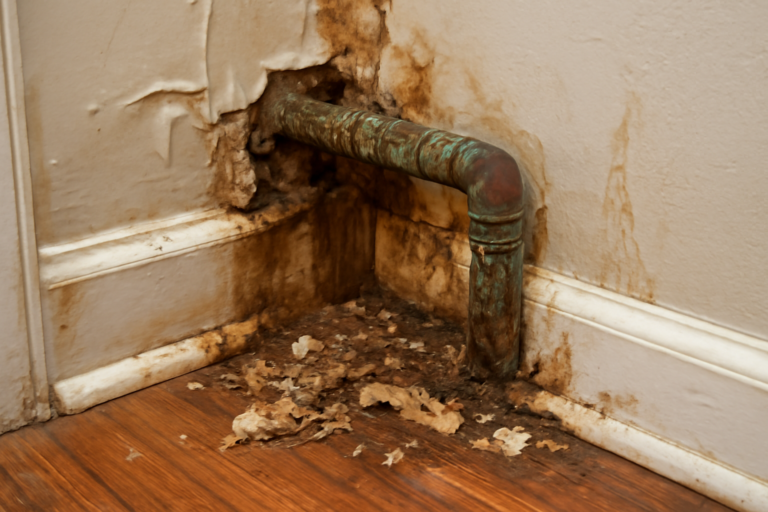
Stains, streaks, or bubbling paint on your walls or ceilings can signal water seeping from above or behind the surface. These are often the first visible signs of a leak. Look for unexplained discoloration.
Peeling or Warping Wallpaper/Paint
When wallpaper starts to peel away from the wall or paint begins to blister and chip, it’s usually due to moisture trapped behind it. This suggests a serious moisture intrusion.
Unexplained High Water Bills
A sudden, significant increase in your water bill, without a corresponding increase in usage, points towards a hidden leak somewhere in your plumbing system. A sudden bill increase warrants investigation.
Mold or Mildew Growth
Seeing visible patches of mold or mildew, even small ones, is a clear sign of excess moisture. These organisms thrive in damp environments and can spread rapidly. Don’t ignore visible mold growth.
Warm Spots on Floors or Walls
If you notice areas on your floor or walls that feel unusually warm to the touch, it could indicate a hot water pipe leak beneath the surface. This is a critical temperature anomaly.
Thermal Imaging Leak Detection vs. DIY: When To Call a Professional
| Situation | DIY? | Call a Pro? | Why |
|---|---|---|---|
| Suspect a leak after noticing a small water stain on the ceiling. | Maybe (visual inspection) | Yes (for accurate source) | DIY might miss the true source or extent of the damage. |
| Musty smell in a specific room. | No | Yes (for hidden moisture) | DIY can’t detect moisture behind walls or under floors. |
| High water bill with no obvious reason. | No | Yes (for plumbing leaks) | Locating hidden pipe leaks requires specialized tools. |
| Visible mold growth on a bathroom tile. | Yes (cleaning the surface) | Yes (for underlying moisture) | Surface cleaning won’t fix the moisture source causing mold. |
| Notice condensation on pipes in the basement. | Yes (monitor) | Yes (if persistent) | Persistent condensation can indicate a larger issue or poor insulation. |
| Warping floorboards in the kitchen. | No | Yes (for under-floor leaks) | Requires investigation beneath the flooring to find the source. |
While some minor issues might be apparent, most hidden leaks require professional intervention. Advanced detection methods are crucial for accurately identifying the source and extent of water damage. Relying on DIY methods for anything beyond surface-level observation can lead to costly mistakes and prolonged damage. Our team is trained to interpret the subtle clues that technology reveals.
Thermal Imaging Leak Detection Cost In Lovejoy, GA
The cost of thermal imaging leak detection in Lovejoy, GA, can vary depending on several factors. These include the size of your property, the complexity of the suspected leak, and the accessibility of the affected areas. The prices below are estimates to give you a general idea. These are not guaranteed quotes, as each situation is unique. We always provide a clear estimate upfront after an assessment.
| Service | Typical Price Range | What Affects Cost |
|---|---|---|
| Standard Thermal Imaging Scan (1-2 rooms) | $300 – $700 | Number of rooms scanned, complexity of building structure. |
| Whole House Thermal Imaging Scan | $700 – $1,500 | Square footage of the home, number of stories. |
| Leak Source Identification (Plumbing) | $500 – $2,500 | Difficulty in accessing pipes, whether the leak is active or historical. |
| Roof/Exterior Leak Investigation | $400 – $1,800 | Size of roof area, height of property, accessibility of attic/crawl spaces. |
| Post-Leak Thermal Imaging Assessment | $300 – $800 | Purpose of scan (e.g., confirming dryness after repairs). |
| Detailed Leak Report with Documentation | Included with service | Complexity of findings, need for extensive photographic evidence. |
For an accurate quote tailored to your specific situation, we offer free on-site estimates. Contact us to schedule your assessment and get a precise understanding of the costs involved.
Service Areas Near Lovejoy, GA
Hampton, Jonesboro, Stockbridge, McDonough, Locust Grove, Fayetteville, Riverdale, Morrow, Clayton, Atlanta, Peachtree City, Tyrone, Forest Park, Ellenwood, Conley, Rex, Red Oak, Brooks, Griffin, Jackson.
Common Questions About Thermal Imaging Leak Detection
What is thermal imaging leak detection and how does it work?
Thermal imaging leak detection uses an infrared camera to visualize temperature differences on surfaces. Areas that are cooler than their surroundings often indicate the presence of moisture, as water absorbs and holds heat differently than dry materials. Our technicians use this to map out hidden water intrusion, helping us find leaks you can’t see. We’re trained to interpret these thermal patterns accurately.
How much does thermal imaging leak detection cost?
The cost can vary depending on the size of your property and the complexity of the suspected leak. For a standard assessment of a few rooms, you might expect a range of $300 to $700. A whole-house scan or investigation into a difficult-to-access area like under a slab could range from $500 to $2,500. We provide detailed pricing upfront after a thorough assessment of your needs.
How long does thermal imaging leak detection take?
The time required depends on the scope of the inspection. A basic scan of one or two rooms might take an hour or two. However, a comprehensive inspection of an entire house, especially if multiple potential leak areas are suspected, could take several hours. We aim for efficient and thorough inspections, ensuring we don’t miss anything. We’ll give you a time estimate when you book your service.
Can thermal imaging detect mold?
While thermal imaging doesn’t directly detect mold, it can identify the moisture sources that feed mold growth. By pinpointing damp areas behind walls or under floors, we can alert you to conditions conducive to mold development. This allows for proactive remediation before mold becomes a significant problem. It’s a crucial first step in preventing mold issues.
What is the difference between thermal imaging and just looking for water stains?
Water stains are a sign that a leak has already caused visible damage. Thermal imaging allows us to detect leaks *before* they create stains or other obvious signs. It can identify moisture within wall cavities, under flooring, or in the attic, revealing the problem at its earliest stages. This early detection is key to minimizing damage and cost, offering a proactive approach to leaks.
Check Our Other Relevant Services

Jerry Johns is a licensed Damage Restoration Expert with over 20 years of hands-on experience helping homeowners and businesses navigate property crises. As a trusted authority in the field, Jerry combines technical precision with a compassionate approach to disaster recovery.
𝗖𝗲𝗿𝘁𝗶𝗳𝗶𝗰𝗮𝘁𝗶𝗼𝗻𝘀: Jerry holds multiple elite IICRC certifications, including Water Damage Restoration (WRT), Applied Microbial Remediation (Mold), Applied Structural Drying (ASD), Odor Control, and Fire and Smoke Restoration.
𝗙𝗮𝘃𝗼𝗿𝗶𝘁𝗲 𝗣𝗮𝘀𝘁𝗶𝗺𝗲: When he isn’t on a job site, Jerry is an avid outdoorsman who enjoys fly fishing and restoring vintage woodworking tools.
𝗕𝗲𝘀𝘁 𝗣𝗮𝗿𝘁 𝗼𝗳 𝘁𝗵𝗲 𝗝𝗼𝗯: Jerry finds the most fulfillment in seeing the relief on a client’s face when their property is finally restored to its pre-loss condition, turning a stressful disaster into a fresh start.