Trusted by 165+ Homeowners
Tile Floor Water Damage Restoration in Griffin, GA
- Over 165 5-Star Reviews
- Free Estimates and Quotes
- 100% Satisfaction Guaranteed
- Child, Family & Pet Safe Steps
- 24-Hour Emergency Service
- Fully Licensed & Insured

Don’t Let Water Ruin Your Beautiful Tile Floors in Griffin, GA
You walk into your kitchen, and there it is. Water seeping up from between your tiles, creating a dark, wet sheen. Maybe you hear a faint squishing sound with every step, or perhaps a strange, damp smell has started to fill the air. This isn’t just a spill; it’s a sign of deeper water intrusion that’s threatening your tile flooring right now. Ignoring this could lead to costly structural damage and mold growth if not addressed immediately. We understand how unsettling it is to see your investment at risk, and our local team is ready to help you restore your floors quickly.
Homeowners around here trust us because we focus on what truly matters: getting your tile floors dry and preventing further harm. With over 165 five-star reviews, you know you’re calling a team that delivers. We’ve seen it all, from minor leaks to significant floods, and we know how to handle each situation with precision. You deserve a team that treats your home with care and provides expert tile water damage restoration.
- We use specialized equipment designed to extract water trapped beneath tiles and grout, preventing long-term issues like mold and mildew from taking hold.
- Our targeted drying process focuses on the subfloor and tile base, ensuring complete moisture removal that DIY methods simply can’t achieve.
- We take steps to protect your grout and tile from staining or deterioration caused by prolonged exposure to standing water, preserving their appearance.
The Science Behind Effective Tile Floor Water Damage Restoration
When water infiltrates your tile floors, it doesn’t just sit on the surface. It seeps into grout lines, gets under the tiles, and can even reach the subfloor. Our approach to tile floor water damage restoration is rooted in understanding these hidden pathways. We don’t just mop up the visible water; we employ advanced techniques and equipment to diagnose the full extent of moisture and implement a scientific drying strategy. Cutting corners here means you’ll likely face recurring problems and mold down the line.
Moisture Detection and Assessment
Our technicians begin by using specialized tools, like moisture meters and thermal imaging cameras, to pinpoint exactly where water is hiding. This is crucial because water can travel far from the initial source. We create a detailed map of the wet areas to ensure no spot is missed, giving us a clear picture of the damage.
Water Extraction
Once we’ve identified all affected areas, we use powerful, truck-mounted or portable water extraction units. These machines are designed to pull out as much standing water as possible from beneath your tiles and grout. This step is vital for minimizing damage to your subfloor and preventing long-term issues.
Controlled Drying Environment
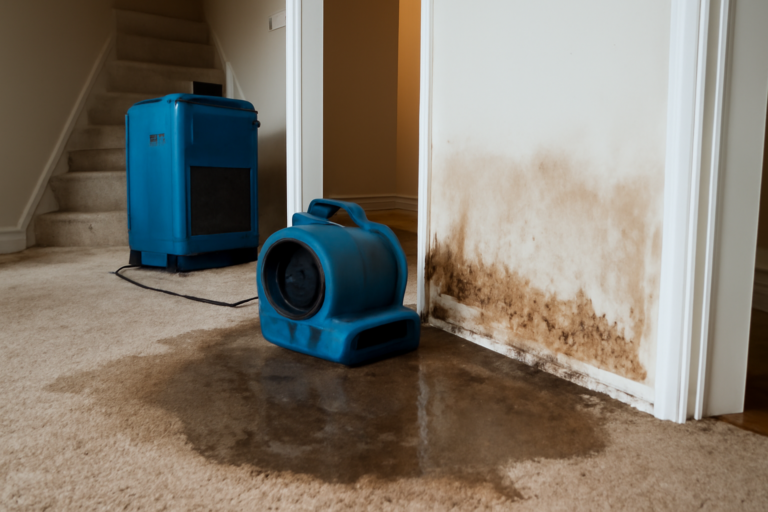
After extraction, we set up a system of high-velocity air movers and industrial dehumidifiers. These work together to create an optimal drying environment, accelerating the evaporation of residual moisture. We carefully monitor humidity and temperature levels to ensure efficient and safe drying.
Containment and Air Filtration
To prevent the spread of potential contaminants or mold spores, we often use containment barriers. Air scrubbers with HEPA filters are also deployed to clean the air, ensuring a healthier environment for your family during and after the drying process. This is part of our commitment to a thorough restoration process.
Monitoring and Verification
We don’t leave until we’re absolutely sure your floors are dry. Our team will continue to monitor moisture levels with our meters until they reach industry-standard dry metrics. This verification step gives you the confidence that the job is done right, preventing future water-related headaches.
Don’t wait for water damage to worsen. Call us today for immediate attention to your tile floors. We’re here to provide fast and effective restoration.

Warning Signs You Need Tile Floor Water Damage Restoration
Catching water damage early is key to minimizing repair costs and preventing more serious problems like mold growth and structural compromise. Keep an eye out for these tell-tale signs that your tile floors might be suffering from water intrusion. Recognizing these indicators means you can call for professional help sooner rather than later, saving you significant future expense.
Musty Odors That Won’t Go Away
A persistent, damp, or musty smell, especially in areas with tile flooring, is a strong indicator of trapped moisture. This odor often signals that mold or mildew is beginning to grow in hidden spaces beneath or around your tiles. Ignoring this smell could mean dealing with serious indoor air quality issues.
Loose or Gapping Grout
If you notice grout lines that look wider than they should, or if grout is starting to crumble or break away from the tile, water may be weakening the bond. Water trapped behind the tiles can exert pressure, forcing grout out over time. This is a clear sign that water is compromising your floor.
Dull or Discolored Tiles
Some types of tiles, especially natural stone or unsealed ceramic, can become dull, stained, or discolored when exposed to prolonged moisture. Water can carry minerals or other substances that leach into the tile surface. This discoloration is often a visual cue of water damage.
Warped or Buckling Tiles
While tiles themselves don’t typically warp, the adhesive holding them down can be compromised by moisture. You might see tiles that appear to be lifting slightly, or feel soft spots underfoot. This can indicate that the moisture has reached the adhesive.
Water Stains or Dark Spots
Look for any dark spots or noticeable stains appearing on your tiles or the surrounding grout. These can be the visible result of water seeping up from below, especially if the water contained minerals or dirt. These stains are a direct symptom of water intrusion.
Soft or Spongy Subfloor
If you notice any areas where your tile floor feels soft, spongy, or gives way slightly when you walk on it, this is a critical warning sign. It means the subfloor beneath your tiles has become saturated and is likely beginning to degrade. This indicates significant water saturation.
Tile Floor Water Damage Restoration vs. DIY: When To Call a Professional
| Situation | DIY? | Call a Pro? | Why |
|---|---|---|---|
| Small spill on tile surface | Yes | No | Easy to clean up with towels and fans. |
| Minor leak from appliance (e.g., dishwasher) | Maybe | Yes | Water can spread quickly under tiles; professional extraction is best. |
| Persistent musty odor near tile | No | Yes | Indicates hidden moisture and potential mold growth requiring specialized detection. |
| Visible water seeping from grout lines | No | Yes | Requires professional extraction and drying to prevent subfloor damage. |
| Loose or buckling tiles | No | Yes | Suggests adhesive failure due to saturation; needs expert assessment and drying. |
| Water damage after a plumbing burst | No | Yes | Significant water volume requires rapid, professional intervention to prevent widespread damage. |
For any situation involving more than a simple surface spill, calling a professional is usually the smartest choice for your tile floors. Our team has the specialized equipment and expertise to handle the complexities of water trapped beneath tiles, ensuring a complete and lasting restoration.
Tile Floor Water Damage Restoration Cost In Griffin, GA
The cost for tile floor water damage restoration in Griffin, GA, can vary significantly. Factors like the size of the affected area, the severity of the water intrusion, and the type of subfloor all play a role. These price ranges are estimates to help you plan; an on-site assessment is always needed for an exact quote.
| Service | Typical Price Range | What Affects Cost |
|---|---|---|
| Moisture Assessment and Mapping | $200 – $600 | Complexity of the affected area and required equipment. |
| Water Extraction (per affected area) | $500 – $2,000 | Volume of water to be removed and accessibility. |
| Industrial Dehumidification and Air Movers | $300 – $1,500 per day | Number of units needed and duration of drying. |
| Containment and Air Filtration Setup | $200 – $700 | Size of the area to be contained and air scrubbing needs. |
| Mold Prevention Treatment (if needed) | $400 – $1,200 | Extent of treatment required and specific products used. |
| Final Moisture Verification | Included in overall service | Ensures complete drying before work is finished. |
We provide free estimates for tile floor water damage restoration, allowing you to understand the full scope and cost before any work begins. Our goal is to offer transparent pricing and exceptional value.
Service Areas Near Griffin, GA
Fayetteville, Peachtree City, Tyrone, Senoia, Newnan, Stockbridge, McDonough, Hampton, Locust Grove, Jackson, Lovejoy, Jonesboro, Riverdale, Forest Park, Morrow, Conley, Ellenwood, Rex, Lovejoy, Union City.
Common Questions About Tile Floor Water Damage Restoration
How long does it take to dry out tile floors after water damage?
Drying time for tile floors can vary significantly, typically ranging from 24 to 72 hours, sometimes longer for severe saturation. The duration depends on the amount of water, the type of subfloor, and the drying equipment we deploy. We use advanced monitoring to ensure complete moisture removal.
Will my insurance cover tile floor water damage restoration?
In many cases, yes, especially if the damage resulted from a sudden and accidental event like a burst pipe or appliance malfunction. Water damage from slow leaks or poor maintenance might have different coverage terms. We can help document the damage for your insurance claim, ensuring you have the necessary information for your provider.
What are the health risks associated with water-damaged tile floors?
The primary health risk is mold and mildew growth, which can thrive in damp environments under your tiles and lead to respiratory problems, allergies, and other health issues. Trapped moisture can also compromise the structural integrity of your home. Our team focuses on rapid drying and containment to mitigate these risks.
Can I just use fans and a shop vac to dry my tile floors myself?
For very minor surface spills, fans and a shop vac might help. However, they are typically not powerful enough to extract water that has seeped beneath tiles and into the subfloor. Professional equipment is essential for thorough moisture extraction and to prevent long-term damage and mold.
How can I prevent water damage to my tile floors in the future?
Regularly inspect plumbing connections, appliance hoses, and grout for any signs of wear or leaks. Ensure your home’s drainage systems are clear and functioning properly. Promptly address any spills or leaks you notice. We can also offer advice on maintaining your tile’s integrity.
Check Our Other Relevant Services
Serving Griffin, GA And Nearby Areas