Trusted by 165+ Homeowners
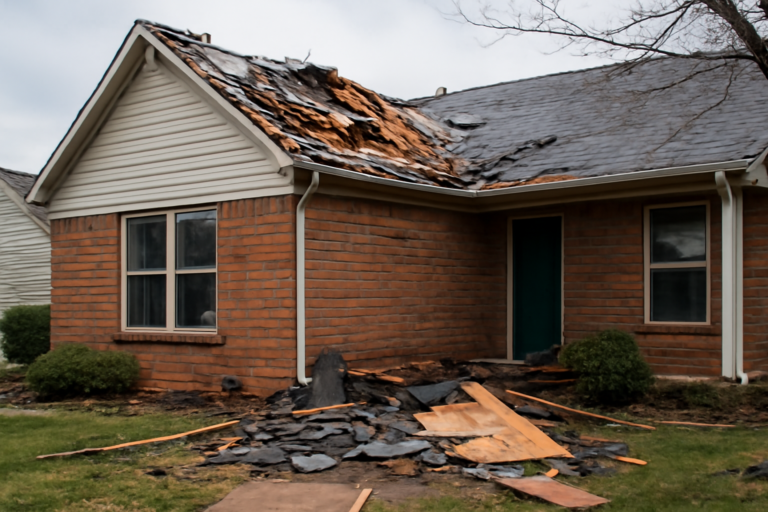
Tropical Storm Damage Cleanup in College Park, GA
- Over 165 5-Star Reviews
- Free Estimates and Quotes
- 100% Satisfaction Guaranteed
- Child, Family & Pet Safe Steps
- 24-Hour Emergency Service
- Fully Licensed & Insured

When the Skies Open Up: Tropical Storm Damage Cleanup in College Park, GA
You walk into your living room, and the air feels heavy, damp. A strange, earthy smell hangs in the air. Then you see it – water stains creeping down the wall from a ceiling leak, or maybe a section of drywall has started to sag ominously. The wind howled all night, and now the aftermath is clear: your home has suffered tropical storm damage. It’s a jarring sight, and you know you need to act fast to prevent further issues. This isn’t just a little leak; it’s a direct result of severe weather impacting your property.
Locals around here trust our team because we understand the urgency and the specific challenges that come with storms like the ones we get in the South. We’ve helped over 165 of your neighbors restore their homes after severe weather events, earning over 165 five-star reviews for our dedicated work. When your home is vulnerable, you want a team that responds quickly and knows exactly what to do to protect your investment. We focus solely on getting your home dry and secure after a storm.
- We use advanced moisture meters to pinpoint hidden water damage, ensuring every damp spot is found and addressed, preventing mold growth and structural rot.
- Our team employs specialized drying equipment, like industrial air movers and dehumidifiers, to rapidly remove excess moisture from your home’s structure, speeding up the recovery process significantly.
- We offer clear, step-by-step communication throughout the cleanup, so you always know what’s happening and what to expect next, giving you confidence in the restoration.
How Tropical Storm Damage Cleanup Actually Works
When tropical storm debris and water invade your home, a rushed or incomplete cleanup can lead to serious long-term problems. That’s why our approach to Tropical Storm Damage Cleanup is meticulous and technically driven. We don’t just mop up water; we implement a science-based drying protocol. This involves carefully assessing the damage, containing affected areas, and using specific equipment to dry your home safely and efficiently. Ignoring hidden moisture can create a breeding ground for mold and compromise your home’s structure, so a thorough process is absolutely critical.
Initial Damage Assessment
The first step is a detailed inspection of your property. Our technicians use specialized tools, including moisture meters and infrared cameras, to identify the full extent of water intrusion, even in areas you can’t see. This thorough assessment is key to developing an effective cleanup plan. We’ll document all findings to ensure nothing is missed during the drying and restoration process.
Water Extraction
Once we know where the water is, we remove it. We use powerful truck-mounted or portable extraction units that can remove thousands of gallons of water quickly. This step is crucial for preventing further damage and starting the drying process as soon as possible. Getting this done promptly and efficiently is our top priority.
Controlled Drying
This is where the science really comes into play. We set up industrial-grade air movers and dehumidifiers to create an optimal drying environment. These machines work together to circulate air and pull moisture out of the air and building materials. We constantly monitor humidity and temperature levels, adjusting our equipment to ensure optimal drying conditions and prevent secondary damage like mold.
Deodorizing and Sanitizing
Stormwater can carry contaminants and leave behind unpleasant odors. After drying, we use specialized equipment, like ozone generators or thermal fogging units, to eliminate odors and sanitize affected areas. This ensures your home not only looks dry but also smells fresh and is safe for your family. We want to restore your home to its pre-storm condition.
Structural Drying and Dehumidification
We focus on drying not just the surface, but the entire structure – including walls, floors, and subflooring. Our advanced dehumidifiers pull moisture from the air, preventing it from re-entering materials. This deep drying process is vital for preventing long-term issues like rot and mold growth. We ensure your home’s integrity is restored.
Don’t let storm damage linger. Call us now for immediate, expert Tropical Storm Damage Cleanup to protect your home and family. We’re ready to deploy our crews today.

Warning Signs You Need Tropical Storm Damage Cleanup
Catching the signs of storm damage early is crucial for preventing more extensive and costly repairs down the line. Even minor-seeming water intrusion can lead to serious structural issues or mold if left unaddressed. Paying attention to these subtle indicators can save you a lot of headaches and expense. Here are some key warning signs to watch out for after a storm.
Musty Odors That Won’t Go Away
If you notice a persistent damp, musty smell that doesn’t dissipate after a few days, it’s a strong indicator of hidden moisture. This smell often signals that mold or mildew is beginning to grow behind walls or under flooring. It’s your home’s way of telling you there’s a hidden water problem that needs immediate attention.
Visible Water Stains or Discoloration
Look for new brown or yellowish stains on your ceilings, walls, or even around windows and doors. These stains are a clear sign that water has penetrated your home’s surfaces. The longer these stains remain, the more likely it is that the underlying materials are saturated and compromised. This is a direct visual cue of water intrusion.
Sagging or Soft Drywall
Waterlogged drywall can become soft, spongy, and begin to sag. If you notice areas of your ceiling or walls that seem to be drooping or feel soft to the touch, it means the drywall has absorbed a significant amount of water. This is a serious sign that the structural integrity is being affected and requires urgent professional assessment.
Peeling or Bubbling Paint or Wallpaper
Moisture trapped behind paint or wallpaper will cause it to lose its adhesion, leading to peeling or bubbling. If you see these signs, it means water is actively seeping into your walls. This indicates a breach that needs to be sealed and the affected areas properly dried. Don’t ignore these surface-level warnings.
Warped Flooring or Baseboards
Wood flooring can warp, cup, or buckle when it gets wet and then dries unevenly. Similarly, baseboards might pull away from the wall or warp. If you notice your floors aren’t level, or your baseboards look distorted, it’s a sign that water has saturated the subfloor or the lower parts of your walls. This points to significant moisture issues.
Increased Humidity Inside Your Home
If your home feels unusually muggy or sticky, even with air conditioning running, it could be due to storm-related water intrusion. High indoor humidity levels can lead to condensation on windows and surfaces, encouraging mold growth. This pervasive dampness is a clear sign of excess moisture.
Tropical Storm Damage Cleanup vs. DIY: When To Call a Professional
| Situation | DIY? | Call a Pro? | Why |
|---|---|---|---|
| Minor surface water on tile floors from a brief rain shower. | Yes | No | Easy to clean up and dry with towels. |
| Water seeping in around a window frame during moderate rain. | Possibly | Yes | May require sealing and drying behind the frame. |
| Ceiling stains or leaks after heavy, prolonged storm winds and rain. | No | Yes | Hidden water can cause extensive structural damage and mold. |
| Flooded basement or crawl space due to storm surge or heavy downpour. | No | Yes | Requires specialized extraction and drying equipment. |
| Puddles of water in multiple rooms after a significant storm event. | No | Yes | Indicates widespread saturation needing professional assessment and drying. |
| Musty odors appearing a few days after a storm. | No | Yes | Strong indicator of mold growth requiring specialized remediation. |
For most situations involving significant water intrusion from a tropical storm, calling a professional team is the safest and most effective route. They have the specialized equipment and expertise to handle the complexity of storm damage, ensuring your home is dried properly and safely. Attempting to manage widespread water damage yourself can lead to overlooked issues and costly future repairs.
Tropical Storm Damage Cleanup Cost In College Park, GA
The cost for Tropical Storm Damage Cleanup can vary quite a bit depending on how severe the damage is, the size of the affected area in your home, and local conditions here in College Park, GA. These price ranges are general estimates and not a quote. A full assessment is always needed for an accurate price. We aim to be transparent about potential costs.
| Service Aspect | Typical Price Range | What Affects Cost |
|---|---|---|
| Initial Inspection and Assessment | $200 – $750 | Complexity of damage, use of specialized equipment like infrared cameras. |
| Water Extraction | $500 – $3,000+ | Amount of water, size of affected rooms, accessibility. |
| Structural Drying (Air Movers & Dehumidifiers) | $750 – $4,000+ | Duration of drying, number of units needed, size of the affected space. |
| Mold Prevention and Remediation (if needed) | $750 – $5,000+ | Severity of mold growth, containment procedures required. |
| Deodorizing and Sanitizing | $300 – $1,500 | Area treated, type of deodorizing equipment used. |
| Content Cleaning and Restoration | $500 – $3,000+ | Number of items, type of materials, extent of contamination. |
The exact pricing for your specific situation will depend on a thorough on-site evaluation. We offer free estimates to give you a clear understanding of the costs involved before any work begins. Contact us today to schedule your assessment.
Service Areas Near College Park, GA
Atlanta, East Point, Hapeville, Forest Park, Morrow, Jonesboro, Riverdale, Clayton, Union City, Fairburn, Palmetto, Tyrone, Lovejoy, Fayetteville, McDonough, Stockbridge, Ellenwood, Conley, Scottdale, Decatur.
Common Questions About Tropical Storm Damage Cleanup
How quickly do you respond to tropical storm damage calls?
We understand that time is critical after a storm. Our crews are prepared to respond as soon as it’s safe to travel. The sooner we can begin the water extraction and drying process, the less secondary damage like mold growth will occur. We prioritize emergency calls to help you secure your property quickly.
Will my homeowner’s insurance cover tropical storm damage cleanup?
Often, homeowner’s insurance policies do cover tropical storm damage, especially wind and water damage caused by storms. However, coverage can vary based on your specific policy and the cause of the damage (e.g., flooding might require separate flood insurance). We can help you navigate the process and provide necessary documentation for your claim. We work with many insurance providers.
What are the health risks associated with tropical storm water damage?
Stormwater can carry bacteria, sewage, and other contaminants, posing significant health risks. Furthermore, any trapped moisture creates an ideal environment for mold and mildew growth, which can trigger allergies and respiratory problems. It’s vital to have the water removed and the area properly sanitized. Our team uses safety protocols and specialized cleaning agents to ensure your home is safe and healthy again.
How long does the tropical storm damage drying process typically take?
The drying process can vary significantly, typically taking anywhere from 3 to 10 days, sometimes longer for severe saturation. Factors like the extent of water damage, the building materials involved, and ambient humidity influence the timeline. We use advanced drying technology and constant monitoring to speed this up as much as possible. Our goal is efficient and thorough drying.
Can I prevent tropical storm damage to my home?
While you can’t prevent storms, you can take steps to mitigate damage. Regularly maintaining your roof, clearing gutters, ensuring proper drainage around your foundation, and securing outdoor items can help. After a storm, it’s essential to inspect your property for any signs of damage immediately. Prompt action can prevent minor issues from becoming major restoration projects.
Check Our Other Relevant Services

Jerry Johns is a licensed Damage Restoration Expert with over 20 years of hands-on experience helping homeowners and businesses navigate property crises. As a trusted authority in the field, Jerry combines technical precision with a compassionate approach to disaster recovery.
𝗖𝗲𝗿𝘁𝗶𝗳𝗶𝗰𝗮𝘁𝗶𝗼𝗻𝘀: Jerry holds multiple elite IICRC certifications, including Water Damage Restoration (WRT), Applied Microbial Remediation (Mold), Applied Structural Drying (ASD), Odor Control, and Fire and Smoke Restoration.
𝗙𝗮𝘃𝗼𝗿𝗶𝘁𝗲 𝗣𝗮𝘀𝘁𝗶𝗺𝗲: When he isn’t on a job site, Jerry is an avid outdoorsman who enjoys fly fishing and restoring vintage woodworking tools.
𝗕𝗲𝘀𝘁 𝗣𝗮𝗿𝘁 𝗼𝗳 𝘁𝗵𝗲 𝗝𝗼𝗯: Jerry finds the most fulfillment in seeing the relief on a client’s face when their property is finally restored to its pre-loss condition, turning a stressful disaster into a fresh start.