Trusted by 165+ Homeowners
Water Damage Reconstruction in College Park, GA
- Over 165 5-Star Reviews
- Free Estimates and Quotes
- 100% Satisfaction Guaranteed
- Child, Family & Pet Safe Steps
- 24-Hour Emergency Service
- Fully Licensed & Insured

Don’t Let Water Damage Ruin Your College Park, GA Home
You walk into your basement, and there it is. A spreading dark stain on the ceiling, or maybe water pooling on the floor. You hear that faint dripping sound, or catch a whiff of that unmistakable damp, musty smell. It’s a sickening feeling, knowing that hidden moisture is already starting to break down your walls, your floors, and potentially your health. This isn’t just a cosmetic issue; it’s the beginning of serious structural problems if not addressed immediately. You need a fast, effective response to stop the damage and start the reconstruction.
Homeowners around College Park, GA, have trusted our team for over 165 five-star reviews to handle these exact situations. They know we bring the right equipment and the right expertise to tackle even the most challenging water damage reconstruction projects. When your home is threatened by water, you want a local team that understands the urgency and has a proven track record of getting it right. We’re here to restore your property and your confidence.
- We specialize in the technical science of drying and rebuilding after water intrusion, ensuring no hidden moisture remains to cause future mold growth or structural decay.
- Our reconstruction process focuses on restoring your home to its pre-loss condition, often with improved materials and techniques to prevent recurrence.
- You’ll receive clear communication throughout the reconstruction, so you always know the status of your project and what to expect next.
The Science Behind Your Water Damage Reconstruction
When water invades your home, it doesn’t just sit on the surface; it wicks into materials, spreads through cavities, and can remain hidden for weeks. Simply mopping up the visible water isn’t enough. Our approach to water damage reconstruction is built on a foundation of science and precision. We use advanced equipment to not only remove standing water but to thoroughly dry out every affected material, from drywall and subflooring to insulation and framing. Cutting corners here means inviting mold and rot, leading to more expensive repairs down the line.
Water Extraction and Removal
The first critical step is to remove all standing water as quickly as possible. We utilize powerful truck-mounted and portable water extraction units designed to pull water out of saturated materials. This process can take anywhere from a few hours to a couple of days, depending on the volume of water. Our technicians use specialized tools to access water trapped in carpets, padding, and subfloors, ensuring a deep clean. Rapid water removal is key to minimizing damage.
Moisture Detection and Assessment
Once the bulk of the water is gone, we move to a detailed assessment using advanced moisture meters and infrared cameras. These tools allow us to pinpoint exactly where moisture is hidden within your walls, ceilings, and floors. This detailed mapping is crucial for creating an effective drying plan and prevents us from missing areas that could lead to future problems. This phase is about understanding the full scope of the damage. Accurate moisture readings guide our entire strategy.
Controlled Drying Protocols
This is where the real science of reconstruction comes into play. We strategically place industrial-grade dehumidifiers and air movers to create a controlled environment for drying. These machines work together to lower humidity levels and accelerate evaporation, safely drying out building materials without causing further damage. We constantly monitor humidity and temperature, adjusting our equipment as needed to meet specific drying goals. This meticulous process ensures materials are dried to industry standards. Targeted air movement speeds up evaporation.
Containment and Air Quality Management
During the drying and reconstruction process, we often set up containment barriers. This is especially important if mold has begun to form or if there’s a risk of airborne contaminants. Using negative air pressure systems and specialized barriers, we isolate affected areas to prevent the spread of dust and mold spores. This protects your family and ensures a healthier environment throughout your home. Maintaining clean indoor air quality is a top priority.
Structural Drying and Reconstruction
Once materials are confirmed dry, the reconstruction phase begins. This involves removing and replacing damaged materials like drywall, insulation, flooring, and trim. Our skilled crews work efficiently to rebuild your home, ensuring all repairs meet or exceed original building codes. We focus on restoring not just the appearance but also the integrity of your home. We aim for long-lasting structural repairs.
Don’t wait for the damage to worsen. Call us today to begin the reconstruction process and secure your home’s future.

Warning Signs You Need Water Damage Reconstruction
Ignoring early signs of water damage can turn a manageable problem into a costly disaster. By recognizing these indicators, you can call for professional help before secondary issues like mold or structural weakening take hold. Early detection and intervention are your best defense against extensive damage and higher repair bills.
Musty Odors That Won’t Go Away
That persistent damp, earthy smell, especially in basements, bathrooms, or attics, is often the first sign of hidden moisture. If airing out your home doesn’t solve it, it’s likely trapped behind walls or under floors. This smell is your warning that microbial growth may be starting.
Visible Water Stains or Discoloration
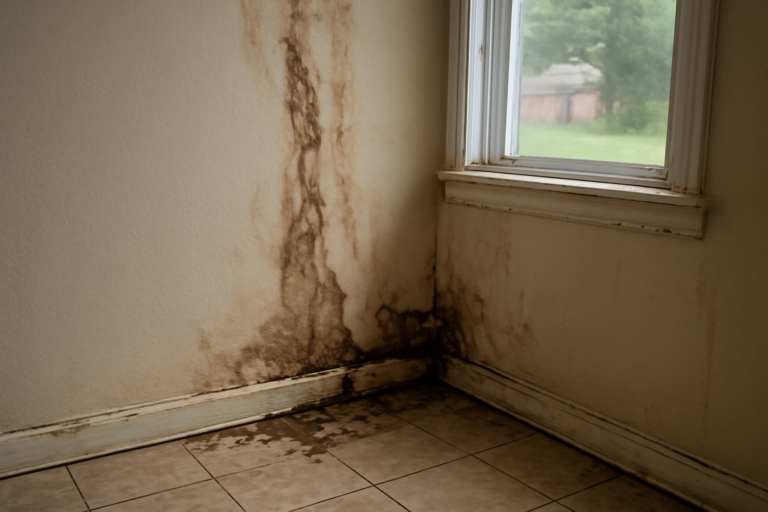
Yellow or brown rings on ceilings, walls, or around windows are clear indicators of past or present water leaks. These stains mean water has penetrated the surface and is likely affecting the materials beneath. Don’t ignore these obvious water marks.
Peeling or Bubbling Paint and Wallpaper
When moisture gets behind paint or wallpaper, it loosens the adhesive, causing it to peel, bubble, or warp. This is a visual cue that water is saturating the drywall or plaster. It’s a sign of material breakdown happening.
Sagging Ceilings or Walls
A ceiling that appears to be bowing downward or walls that feel soft or spongy to the touch indicates significant water saturation. This is a serious structural concern that requires immediate attention to prevent collapse. This signals imminent structural failure.
Warped Flooring or Baseboards
Waterlogged wood floors can swell and warp, creating uneven surfaces. Similarly, baseboards may pull away from the wall or appear swollen. This means the moisture has affected the integrity of your flooring and trim. Watch for damaged flooring materials.
Increased Humidity Levels
If your home feels unusually damp or humid, even with air conditioning running, there could be an undetected water source. High humidity can lead to condensation, mold growth, and a generally uncomfortable living environment. This indicates excessive indoor moisture.
Water Damage Reconstruction vs. DIY: When To Call a Professional
| Situation | DIY? | Call a Pro? | Why |
|---|---|---|---|
| Minor spill on tile floor (cleaned immediately) | Yes | No | Easy to wipe up and dry, minimal risk of long-term damage. |
| Water stain on a single drywall section, no structural damage | Maybe | Yes | Requires careful drying and potential material replacement to prevent mold. |
| Leaking pipe behind a wall causing visible damage | No | Yes | Hidden moisture requires specialized detection and drying equipment. |
| Sump pump failure flooding basement | No | Yes | Large volumes of water require professional extraction and thorough drying protocols. |
| Roof leak causing ceiling damage and sagging | No | Yes | Potential for widespread saturation and structural compromise needs expert assessment. |
| Sewage backup into your home | Absolutely Not | Yes | Biohazard contamination requires specialized cleaning, disinfection, and reconstruction. |
For anything beyond a minor, easily cleaned spill, calling a professional team is almost always the wisest choice for water damage reconstruction. We have the tools and training to properly dry, dehumidify, and rebuild, preventing hidden problems like mold and structural weakness.
Water Damage Reconstruction Cost In College Park, GA
The cost for water damage reconstruction in College Park, GA, can vary significantly. Factors like the extent of the water intrusion, the type of materials affected (e.g., carpet vs. hardwood), the size of the affected area, and the complexity of the reconstruction all play a role. These estimates are intended to give you a general idea. Accurate pricing comes from a detailed on-site assessment.
| Service | Typical Price Range | What Affects Cost |
|---|---|---|
| Water Extraction & Drying Equipment Rental | $500 – $2,000 | Volume of water, size of affected area, duration of drying. |
| Moisture Detection & Assessment | $300 – $800 | Complexity of the affected areas, use of advanced imaging technology. |
| Drywall Repair & Replacement (per room) | $400 – $1,500 | Size of the damaged section, need for matching texture and paint. |
| Flooring Removal & Replacement (e.g., LVP, tile) | $700 – $3,000+ | Square footage, type of flooring chosen, subfloor condition. |
| Insulation Removal & Replacement | $300 – $1,000 | Square footage, type of insulation, accessibility. |
| Dehumidification & Air Mover Monitoring | $400 – $1,500 | Number of units needed, duration of drying period. |
A thorough on-site inspection by our team is necessary to provide a precise estimate for your specific water damage reconstruction needs. We offer free, no-obligation estimates.
Service Areas Near College Park, GA
Atlanta, East Point, Hapeville, Forest Park, Riverdale, Jonesboro, Morrow, Ellenwood, Lithonia, Decatur, Clarkston, Chamblee, Doraville, Tucker, Stone Mountain, Redan, Conyers, Stockbridge, Fayetteville, Tyrone.
Common Questions About Water Damage Reconstruction
How long does water damage reconstruction typically take?
The timeline for water damage reconstruction varies greatly depending on the severity of the initial water intrusion and the extent of the damage. Simple drying might take 3-5 days, but if structural components like drywall or subflooring need replacement, it could extend to several weeks. We work diligently to complete the reconstruction efficiently while ensuring all work is done correctly. Expedited drying is always our goal.
Will my homeowner’s insurance cover water damage reconstruction?
In many cases, homeowner’s insurance policies cover water damage reconstruction, especially if the damage resulted from a sudden and accidental event like a burst pipe or appliance malfunction. However, coverage often excludes damage from gradual leaks, poor maintenance, or flooding (which requires separate flood insurance). We can help you navigate the claims process and provide the necessary documentation. Understanding your policy details is important.
What are the health risks associated with untreated water damage?
Untreated water damage is a breeding ground for mold and bacteria, which can cause a range of health issues. These include respiratory problems, allergies, skin irritation, and headaches. Prolonged exposure to mold spores can be particularly dangerous. Our reconstruction process includes thorough cleaning and drying to prevent mold growth and ensure a healthy living environment. We take indoor air quality seriously.
What kind of equipment do you use for drying and reconstruction?
We use a range of specialized equipment, including high-powered water extractors, industrial-grade dehumidifiers, centrifugal air movers, and thermal imaging cameras for moisture detection. For reconstruction, we utilize standard professional building tools, but our focus is on using the right materials and techniques to ensure a durable, long-lasting repair. Our equipment is designed for maximum water removal efficiency.
Can I do some of the water damage reconstruction myself to save money?
While minor cleanup might be manageable, extensive water damage reconstruction requires specialized knowledge and equipment to prevent long-term issues like mold and structural weakening. Trying to DIY can sometimes lead to more costly repairs later if not done correctly. We recommend professional assessment and work for most water damage scenarios to ensure a safe and complete restoration. We offer clear pricing so you know what to expect. Professional restoration saves money long-term.
Check Our Other Relevant Services
Serving College Park, GA And Nearby Areas