Trusted by 165+ Homeowners
Water Heater Leak Damage Restoration in McDonough, GA
- Over 165 5-Star Reviews
- Free Estimates and Quotes
- 100% Satisfaction Guaranteed
- Child, Family & Pet Safe Steps
- 24-Hour Emergency Service
- Fully Licensed & Insured

Expert Water Heater Leak Damage Restoration in McDonough, GA
We’ve seen this happen more times than we can count right here in McDonough, GA. A small drip under your water heater can turn into a serious problem quickly, especially in older homes or those with crawl spaces. Dealing with water damage is stressful, and when it comes from a failing water heater, the mess and potential for mold can be significant. We understand you need a team that knows exactly how to tackle this specific type of damage, from the first signs of trouble to a completely dry and restored space. Getting your home back to normal is our priority.
That’s why so many of your neighbors trust us for their water heater leak damage. With over 165 five-star reviews, it’s clear that our local homeowners appreciate our direct approach and proven results. We don’t just clean up water; we restore your property with meticulous attention to detail. You’re not just another job to us; you’re a member of our community, and we’re committed to providing reliable, effective restoration services when you need them most. We handle the hard work so you don’t have to.
- We use specialized equipment to extract every drop of water, preventing long-term issues like mold growth and structural compromise that other types of leaks might not cause.
- Our team focuses on thorough drying and dehumidification, targeting the specific moisture introduced by a water heater, which can be particularly damaging to flooring and drywall.
- We provide clear communication throughout the process, keeping you informed about the restoration timeline and what to expect, helping to reduce your stress.
How Water Heater Leak Damage Restoration Actually Works
When a water heater leaks, it’s not just about the water you see on the floor. The moisture can seep into subflooring, walls, and insulation, creating hidden problems that require a specialized approach. Our process is designed to address these hidden issues effectively, ensuring that your property is not only cleaned but truly dried and restored to its original condition. Ignoring hidden moisture can lead to much bigger, more expensive problems down the road. We follow a methodical plan to protect your investment.
1. Initial Inspection and Water Extraction
As soon as we arrive, our technicians will conduct a detailed inspection to assess the full extent of the water heater leak damage. We’ll identify where the water has spread, even into areas you might not see. Then, we immediately begin the extraction process using powerful water pumps and vacuums. This step is crucial for removing bulk water quickly and preventing further damage. It typically takes a few hours, depending on the amount of water present.
2. Damage Assessment and Documentation
Once the standing water is gone, we meticulously document all affected materials and the scope of the damage. This includes detailed notes and photos, which are vital for your insurance claim. We identify materials that need to be removed and those that can potentially be salvaged. Accurate damage assessment ensures we address everything necessary for a complete restoration. This phase usually takes a couple of hours.
3. Structural Drying and Dehumidification
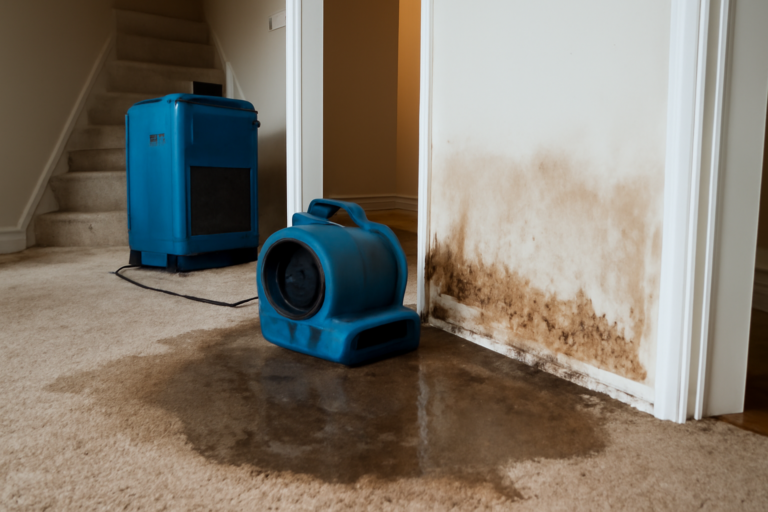
This is where we tackle the hidden moisture. We set up industrial-grade air movers and dehumidifiers throughout your property. These machines work tirelessly to pull moisture out of the air and building materials, bringing humidity levels back to normal. Targeted drying techniques are essential to prevent mold and preserve the integrity of your home’s structure. This phase can take anywhere from 24 hours to several days, depending on the saturation level.
4. Mold Prevention and Remediation
Water heater leaks can create ideal conditions for mold growth if not addressed promptly and thoroughly. We proactively apply antimicrobial treatments to prevent mold from forming in affected areas. If mold has already started to grow, our trained technicians will perform safe and effective remediation. Preventing mold growth is a critical part of restoring your home’s health and safety.
5. Reconstruction and Reinstallation
After your property is completely dry and any necessary mold remediation is complete, we move into the reconstruction phase. This may involve replacing damaged drywall, insulation, flooring, or other structural elements. If the water heater itself was the source and needs to be replaced, we can coordinate with plumbers for its reinstallation. Our goal is to restore your home to its pre-loss condition, making it look and feel as if the leak never happened.
Don’t let a leaky water heater cause lasting damage. Call us immediately for rapid response and expert cleanup. We’re here to help you restore your property quickly.

Warning Signs You Need Water Heater Leak Damage Restoration
Catching the early signs of a water heater leak can save you a lot of headaches and money. Ignoring small drips or moisture can lead to widespread damage, mold, and costly repairs. Being aware of these indicators means you can act fast. Early detection is key to minimizing the impact on your home and your wallet.
Musty Odors That Won’t Go Away
A persistent, damp, or musty smell, especially around the area where your water heater is located, is a strong indicator of hidden moisture. This smell often means mold is beginning to grow. Addressing hidden mold is crucial for your home’s air quality.
Visible Water or Puddles
If you see water pooling around the base of your water heater or on the floor nearby, it’s an obvious sign of a leak. Even a small amount of water can cause significant damage over time. Immediate water extraction is necessary.
Corrosion or Rust on the Tank
Look for rust-colored stains or visible corrosion on the outside of your water heater tank, especially near the bottom or around fittings. This often signals that the tank is starting to fail and leak. Replacing a failing tank prevents catastrophic leaks.
Damp Walls or Flooring Near the Heater
Check the walls and flooring adjacent to your water heater. If they feel unusually damp, soft, or discolored, moisture is likely seeping into these materials. Drying saturated materials prevents structural rot.
Reduced Hot Water Pressure or Leaks from Pipes
Sometimes, a leak isn’t from the tank itself but from the pipes connected to it. If you notice leaks at the connections or a sudden drop in hot water pressure, it could indicate a problem. Repairing pipe leaks stops water intrusion.
Strange Noises from the Water Heater
Popping, rumbling, or hissing sounds can sometimes indicate sediment buildup that’s causing internal pressure issues, potentially leading to leaks. While not always a direct leak sign, these noises warrant investigation. Investigating unusual sounds can prevent future issues.
Water Heater Leak Damage Restoration vs. DIY: When To Call a Professional
| Situation | DIY? | Call a Pro? | Why |
|---|---|---|---|
| Small drip from a pipe fitting | Maybe | Yes | Improper tightening can worsen the leak; professionals have specialized tools. |
| Standing water on the floor (less than 1 sq ft) | Maybe | Yes | Essential to get the area completely dry to prevent mold and subfloor damage. |
| Water heater tank visibly leaking | No | Yes | Tank leaks usually mean the tank is compromised and needs replacement; requires immediate professional attention. |
| Dampness in walls or subflooring | No | Yes | Hidden moisture requires specialized drying equipment and expertise to fully remediate. |
| Musty odor present | No | Yes | Indicates potential mold growth, which requires professional assessment and remediation. |
| Insurance claim expected | No | Yes | Professionals provide detailed documentation crucial for insurance approval. |
For anything beyond a minor, easily contained drip, calling a professional is the safest bet. Professional water mitigation ensures all moisture is removed, preventing long-term health and structural issues. Let us handle the complex drying process.
Water Heater Leak Damage Restoration Cost In McDonough, GA
The cost of water heater leak damage restoration in McDonough, GA, can vary significantly. Factors like the size of the affected area, the amount of water, the type of materials damaged, and the complexity of the drying process all play a role. These figures are estimates to give you a general idea. Understanding restoration costs helps you prepare.
| Service | Typical Price Range | What Affects Cost |
|---|---|---|
| Water Extraction and Cleanup | $500 – $2,000 | Amount of water, size of the room, accessibility. |
| Structural Drying and Dehumidification | $750 – $3,500 | Duration of drying needed, number of machines required, size of affected area. |
| Mold Prevention/Remediation | $400 – $4,000+ | Severity of mold, square footage affected, containment needs. |
| Demolition and Removal of Damaged Materials | $300 – $1,500 | Amount of drywall, flooring, or insulation to be removed. |
| Reconstruction (minor repairs) | $500 – $3,000+ | Scope of repairs, materials needed, complexity of the job. |
| Water Heater Replacement Coordination | Varies (plumber’s cost) | Type and size of water heater, installation complexity. |
The best way to get an accurate estimate is to have our team assess the damage on-site. We offer free inspections and quotes to provide clarity on the exact cost for your specific situation. Getting a fair price is important to us.
Service Areas Near McDonough, GA
Stockbridge, Locust Grove, Hampton, Fayetteville, Jonesboro, Riverdale, Morrow, Forest Park, Lovejoy, Tyrone, Peachtree City, Newnan, Griffin, Ellenwood, Rex, Conley, Lithonia, Conyers, Covington, Jackson.
Common Questions About Water Heater Leak Damage Restoration
How quickly do I need to address water heater leak damage?
You should address water heater leak damage as soon as possible. Within 24-48 hours, mold can begin to grow, and structural materials can start to deteriorate. Immediate action is crucial for preventing further damage and health risks. We offer 24/7 emergency response to ensure prompt cleanup.
Will my homeowner’s insurance cover water heater leak damage in McDonough, GA?
Typically, homeowner’s insurance policies cover sudden and accidental water damage, which often includes leaks from water heaters. However, coverage can vary based on your specific policy and the cause of the leak. Documenting the damage thoroughly is essential for your claim. We help you navigate the insurance process.
How long does the water heater leak damage restoration process take?
The timeline for restoration depends heavily on the extent of the water damage and the drying process. Simple extractions and drying might take 2-3 days, while more extensive damage requiring reconstruction could take weeks. We use advanced drying technology to speed up the process safely. We’ll provide an estimated timeline after our initial assessment.
What are the health risks associated with water heater leaks?
The primary health risk from water heater leaks is the potential for mold growth. Inhaling mold spores can cause respiratory issues, allergic reactions, and other health problems, especially for individuals with asthma or compromised immune systems. Ensuring a healthy environment is a priority. Our team is trained in mold prevention and remediation.
Can I prevent my water heater from leaking?
Regular maintenance is key to preventing water heater leaks. This includes periodic flushing of the tank to remove sediment, checking the pressure relief valve, and inspecting the tank for signs of corrosion. Most manufacturers recommend annual water heater inspections. While maintenance helps, leaks can still occur, and we’re here when they do.
Serving McDonough, GA And Nearby Areas