Trusted by 165+ Homeowners
Window Leak Water Damage Restoration in Decatur, GA
- Over 165 5-Star Reviews
- Free Estimates and Quotes
- 100% Satisfaction Guaranteed
- Child, Family & Pet Safe Steps
- 24-Hour Emergency Service
- Fully Licensed & Insured

When Rain Comes In: Expert Window Leak Water Damage Restoration in Decatur, GA
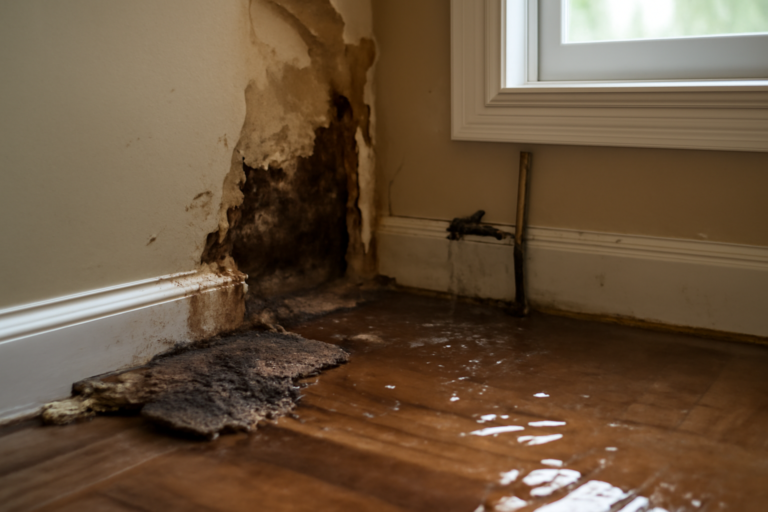
You notice it after a storm. A dark stain spreading on your ceiling or wall, right below a window. Maybe there’s a faint, damp smell you can’t quite place. It’s not just a little drip; it’s clear evidence that water has found its way into your home through a faulty window seal or frame. This kind of water intrusion, often subtle at first, can quickly lead to significant structural damage and mold growth if not addressed immediately. Dealing with window leak water damage requires a specific, targeted approach, and you need it handled fast.
Homeowners around here trust us to get it right the first time. We’ve helped over 165 families in your neighborhood recover from unexpected water intrusions, earning more than 165 five-star reviews for our focused approach to window leak water damage restoration. When water starts coming in where it shouldn’t, you want a team that understands the science of drying and the importance of acting quickly. We’re known for our swift response times and our meticulous attention to detail, ensuring your home is dried and restored properly.
- We focus on pinpointing the exact source of the leak, preventing future issues and ensuring a complete dry-out of affected materials.
- Our technicians use specialized equipment to measure moisture levels deep within walls and subfloors, guaranteeing no hidden dampness remains.
- We understand the unique challenges of window leak water damage, including potential damage to window frames, sills, and surrounding drywall, and we address each aspect thoroughly.
How We Tackle Window Leak Water Damage
When water enters your home through a window, it doesn’t just sit on the surface. It seeps into drywall, insulation, wood framing, and even subflooring. A haphazard approach won’t cut it; you need a systematic process guided by scientific drying principles. Our team follows strict protocols to ensure every bit of moisture is removed, preventing secondary damage like mold and rot. We use advanced tools and techniques to get your home back to its pre-loss condition, protecting your investment and your family’s health. Skipping steps here means costly future repairs and potential health hazards.
1. Immediate Water Extraction and Containment
The first step is to stop the water source if possible and then remove any standing water. We use powerful truck-mounted extractors and specialized containment barriers to prevent the water from spreading further into your home while we work. This phase is critical for limiting the overall damage and controlling the moisture environment.
2. Thorough Moisture Detection
This is where our technical expertise shines. We don’t just guess where the water went. Our certified technicians use advanced moisture meters, thermal imaging cameras, and hygrometers to map out the full extent of the water intrusion. We identify not only the visible wet areas but also the hidden moisture pockets within your walls and structures. This precise measurement ensures we address all affected areas, preventing future problems.
3. Controlled Drying Process
Once we know exactly how wet things are, we set up a carefully controlled drying environment. We deploy industrial-grade air movers and dehumidifiers to accelerate evaporation. These machines work together to lower humidity levels and create airflow, drawing moisture out of building materials. Our team monitors the drying process constantly, adjusting equipment as needed to reach specific drying goals and ensure materials are returned to their normal moisture content.
4. Sanitization and Odor Control
Water intrusion, even from a window leak, can introduce bacteria and lead to musty odors. After drying, we thoroughly clean and sanitize all affected surfaces. We use EPA-approved disinfectants to eliminate contaminants and neutralize any lingering smells. Our goal is to leave your home not just dry, but also clean and fresh-smelling.
5. Restoration and Rebuilding
Once everything is completely dry and sanitized, our crews begin the necessary repairs. This might involve replacing damaged drywall, repainting, repairing window trim, or addressing any structural wood damage. We aim to restore your home to its original condition, making it feel like the water intrusion never happened.
Don’t let a window leak turn into a major headache. Call us today to get a fast, accurate assessment and start the drying process immediately. We’re ready to help you protect your home.

Warning Signs You Need Window Leak Water Damage Restoration
Catching the signs of window leak water damage early is key to minimizing repair costs and preventing more serious issues like mold growth and structural weakening. Many homeowners overlook subtle indicators, but they can tell a clear story if you know what to look for. Pay close attention to your home’s environment; these early warnings are your best defense.
Musty Odors That Won’t Go Away
A persistent damp, earthy, or mildew-like smell, especially near windows or in rooms with multiple windows, is a strong indicator of hidden moisture. This odor is often caused by mold or mildew growing in damp areas you can’t see. Ignoring this smell can lead to significant mold remediation needs later on.
Visible Water Stains or Discoloration
Dark brown or yellow stains appearing on walls, ceilings, or window sills are direct evidence of water intrusion. These marks often spread over time as more water seeps into the materials. Addressing these stains means addressing the source of the water, not just the cosmetic damage.
Peeling or Bubbling Paint and Wallpaper
When water gets behind paint or wallpaper, it loosens the adhesive and compromises the integrity of the finish. You might see paint peeling away from the surface or wallpaper bubbling up, particularly around window frames. This is a clear sign that moisture is trapped behind these layers, potentially damaging the underlying drywall.
Soft or Warped Window Frames and Sills
Wood that has been repeatedly exposed to moisture can become soft, spongy, or even warp. If you notice that your window frames or sills feel soft to the touch, or if they look distorted, it’s a sign of prolonged water exposure. This can compromise the window’s structure and lead to further leaks.
Increased Humidity Levels
If a particular room feels unusually humid or clammy, especially after rain, it could be due to a window leak. Uncontrolled moisture in the air creates a breeding ground for mold and can make your home feel uncomfortable. We can help identify the source and restore normal humidity levels.
Mold or Mildew Growth
Visible patches of mold or mildew, often appearing as black, green, or white fuzzy spots, are a serious health concern. They thrive in damp environments, and a window leak can provide the perfect conditions for them to grow. This is a critical sign that requires immediate professional attention to prevent health risks and further property damage.
Window Leak Water Damage Restoration vs. DIY: When To Call a Professional
| Situation | DIY? | Call a Pro? | Why |
|---|---|---|---|
| Small drip on a window sill after a light rain, dries quickly. | Yes | No | Minor surface moisture that evaporates quickly usually poses little risk. |
| Dark stains spreading on the ceiling below a window. | No | Yes | Stains indicate water intrusion into building materials, requiring professional drying. |
| Musty odor near a window that persists for days. | No | Yes | Persistent odors suggest hidden mold or persistent dampness. |
| Visible mold growth around window frames or on walls. | No | Yes | Mold requires specialized removal and remediation techniques for safety. |
| Window frame feels soft or spongy to the touch. | No | Yes | Soft wood indicates structural compromise needing professional assessment. |
| Water pooling on the floor after every significant rain. | No | Yes | Consistent pooling means the leak is substantial and potentially damaging to subfloors. |
While minor dampness might seem manageable, any persistent moisture, visible stains, odors, or signs of mold around your windows absolutely warrant professional attention. Our team has the specialized equipment and expertise to handle these situations effectively and prevent long-term damage. Trusting us ensures a thorough and safe restoration.
Window Leak Water Damage Restoration Cost In Decatur, GA
The cost for window leak water damage restoration in Decatur, GA can vary significantly based on the extent of the water intrusion, the size of the affected area, and the specific materials damaged. These figures are general estimates, and a precise quote requires an on-site inspection.
| Service Aspect | Typical Price Range | What Affects Cost |
|---|---|---|
| Initial Water Extraction & Containment | $400 – $1,500 | Volume of water, size of the affected area, and complexity of containment setup. |
| Moisture Detection & Assessment | $200 – $750 | Use of advanced equipment like thermal cameras and the total area needing assessment. |
| Controlled Drying (Air Movers & Dehumidifiers) | $500 – $3,000+ | Duration of drying needed, number and type of machines required, and energy consumption. |
| Sanitization & Odor Removal | $300 – $1,200 | Severity of contamination, size of the space treated, and specific odor-control treatments used. |
| Minor Drywall & Trim Repair | $300 – $1,000 | Square footage of drywall needing replacement, complexity of trim work, and paint matching. |
| Window Frame or Sill Repair/Replacement | $500 – $2,500+ | Extent of wood rot or damage, type of window, and whether the frame can be repaired or needs full replacement. |
These prices reflect the specialized labor and equipment involved in properly drying and restoring your home after window leaks. We offer free estimates, allowing you to understand the exact cost for your specific situation before we begin any work.
Service Areas Near Decatur, GA
Atlanta, Avondale Estates, Belvedere Park, Briarcliff, Brookhaven, Buckhead, Chamblee, Clarkston, Conley, Doraville, Druid Hills, Dunwoody, East Atlanta, Embry Hills, Forest Park, Greenwood, Gresham Park, Hartsfield-Jackson Atlanta International Airport, Henderson Mill, Johns Creek, Lake Claire, Lilburn, Lithonia, Lovejoy, Mableton, Marietta, Norcross, North Atlanta, North Decatur, North Druid Hills, Oak Grove, Peachtree Corners, Pine Hills, Pine Lake, Redan, Riverdale, Roswell, Sandy Springs, Scottdale, Smyrna, Stone Mountain, Tucker, Union City, Vinings, Virginia-Highland, Wesley Chapel, White Oak, Wildwood, Woodland Hills.
Common Questions About Window Leak Water Damage Restoration
How long does it take to dry out water damage from a window leak?
The drying process typically takes three to five days, but it can extend longer depending on how much water has saturated the materials and the ambient humidity. We use advanced equipment to speed this up significantly, constantly monitoring moisture levels to ensure a complete dry-out. Our goal is to get your home back to normal as quickly and safely as possible.
Will my homeowner’s insurance cover window leak water damage?
Coverage varies by policy, but many policies cover water damage from sudden and accidental sources like a burst pipe or a severe storm causing a window leak. However, damage from gradual neglect or poor maintenance might not be covered. It’s best to check your specific policy details and contact your insurance provider. We can work directly with your adjuster to streamline the claims process.
Is mold a major concern with window leaks?
Yes, mold growth is a significant concern. Mold needs only moisture, organic material (like wood or drywall), and time to grow. A window leak provides all three. Even small leaks can lead to mold developing within walls or window frames within 24-48 hours. We prioritize thorough drying and sanitization to prevent mold from forming or spreading.
What kind of equipment do you use to dry out water damage from windows?
We utilize a range of specialized equipment, including high-speed air movers to increase airflow over wet surfaces, industrial-grade dehumidifiers to remove moisture from the air, and sometimes specialized drying equipment like LGR dehumidifiers for very high humidity environments. We also use moisture meters and thermal imaging cameras to precisely detect and monitor moisture levels, ensuring all affected areas are addressed.
Can I just patch up a window leak myself?
For very minor, superficial dampness that dries completely within hours, a simple DIY fix might suffice. However, if you see stains, smell odors, notice mold, or if the area remains damp for more than a day, it’s crucial to call professionals. Our team can accurately assess the damage, extract hidden moisture, and perform necessary repairs to prevent long-term structural issues and mold.
Check Our Other Relevant Services

Jerry Johns is a licensed Damage Restoration Expert with over 20 years of hands-on experience helping homeowners and businesses navigate property crises. As a trusted authority in the field, Jerry combines technical precision with a compassionate approach to disaster recovery.
𝗖𝗲𝗿𝘁𝗶𝗳𝗶𝗰𝗮𝘁𝗶𝗼𝗻𝘀: Jerry holds multiple elite IICRC certifications, including Water Damage Restoration (WRT), Applied Microbial Remediation (Mold), Applied Structural Drying (ASD), Odor Control, and Fire and Smoke Restoration.
𝗙𝗮𝘃𝗼𝗿𝗶𝘁𝗲 𝗣𝗮𝘀𝘁𝗶𝗺𝗲: When he isn’t on a job site, Jerry is an avid outdoorsman who enjoys fly fishing and restoring vintage woodworking tools.
𝗕𝗲𝘀𝘁 𝗣𝗮𝗿𝘁 𝗼𝗳 𝘁𝗵𝗲 𝗝𝗼𝗯: Jerry finds the most fulfillment in seeing the relief on a client’s face when their property is finally restored to its pre-loss condition, turning a stressful disaster into a fresh start.