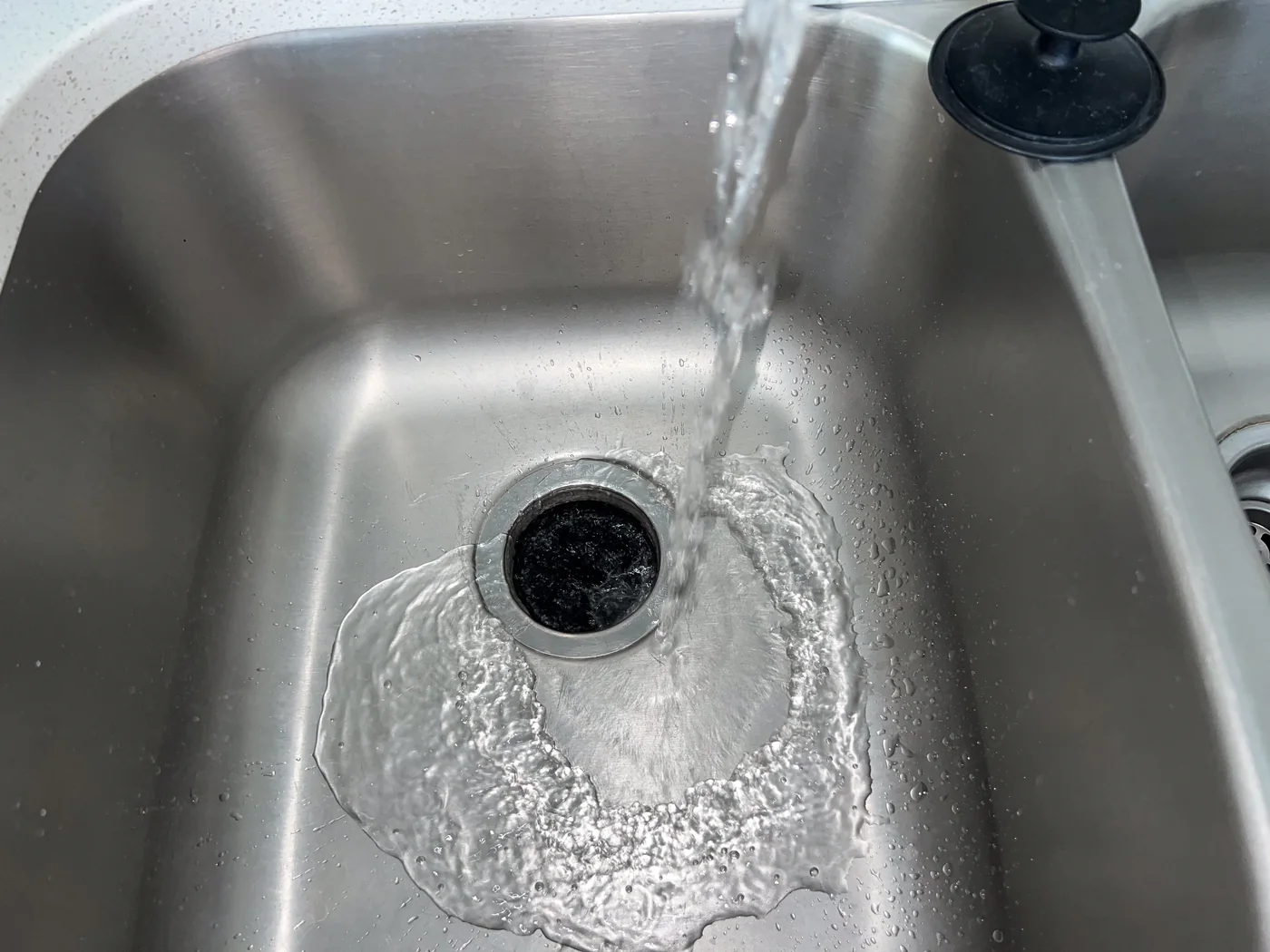
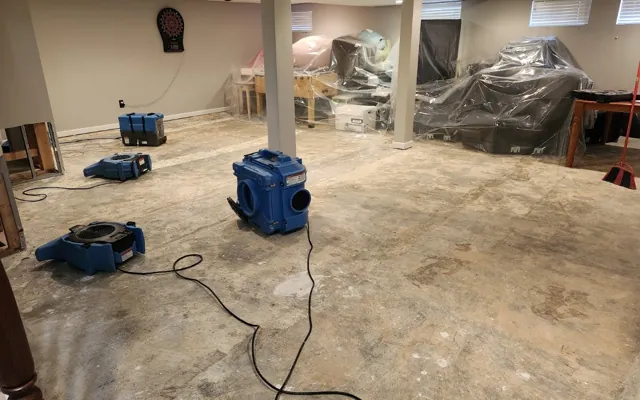
A dripping faucet in an older Pittsburgh, GA home can quietly damage cabinets and subfloor. Local crews respond fast to extract water and dry the structure to an IICRC-standard target, preventing a small leak from becoming a major repair.

Technicians shut off the water and use meters to find where water traveled from the fixture into the cabinet, wall cavity, and floor joists. This mapping determines the full scope of the Pittsburgh home's hidden damage.
The crew removes all standing water. They then carefully open only the necessary section of a cabinet base or wall to allow air to reach the wet cavity, ensuring the enclosed space can be dried effectively.
Air movers and dehumidifiers target the damp subfloor, wall studs, and any ceiling below. The team dries these materials to a precise, IICRC standard target to stop mold growth in the humid Pittsburgh climate.

Faucet and fixture leak cleanup in Pittsburgh commonly runs from about $700 to $3,500, depending on how long the drip ran unseen, whether the cabinet and flooring can be dried, and if mold has taken hold or the water reached a floor below. A recent leak caught early sits at the low end, while a long-hidden leak reaches the high end. The crew documents readings and photos for the carrier.
In Pittsburgh, GA, the neighborhood's closely spaced homes from the early 1900s often have aging plumbing fixtures. A slow drip from a faucet or supply line can run down inside a cabinet, soaking the base and subfloor long before a homeowner notices any swelling or discoloration, leading to hidden water damage. The original plumbing in Pittsburgh's century old homes is reaching the end of its service life. Fixtures and connections can wear out or corrode, leading to slow leaks that seep into the compact, wooden framing common in these structures. From Pittsburgh, crews also cover nearby Peoplestown, Cabbagetown, Grant Park, Inman Park, West End, Old Fourth Ward. See every neighborhood and town on the full service area page.
See all areas servedEvery loss is photographed, measured, and logged from the first visit, so the paperwork holds up with your insurance carrier.
Technicians follow recognized IICRC drying standards and prove the work with daily moisture readings, not guesswork.
Emergency dispatch any hour of the day or night, with a real crew on the way, not a callback in the morning.
A real crew dispatched any hour, not a callback in the morning.
Trained technicians following recognized IICRC drying standards.
Truck-mounted, portable, and submersible for any size loss.
The loss is documented and billed to the carrier directly.
Drying typically takes two to four days in a Pittsburgh home. The timeframe depends on how long the leak went unseen and how much water soaked into the subfloor and wall framing. Crews monitor moisture levels daily until the structure meets the dry standard.
Most homeowners policies in Georgia cover sudden, accidental water damage. The key is documentation. Local crews provide detailed moisture logs and photos that clearly show the source and extent of the damage, which helps support the claim with the carrier.
Crews are on call 24 hours a day and can be on the way to Pittsburgh within the hour.
Call (678) 990-6039